


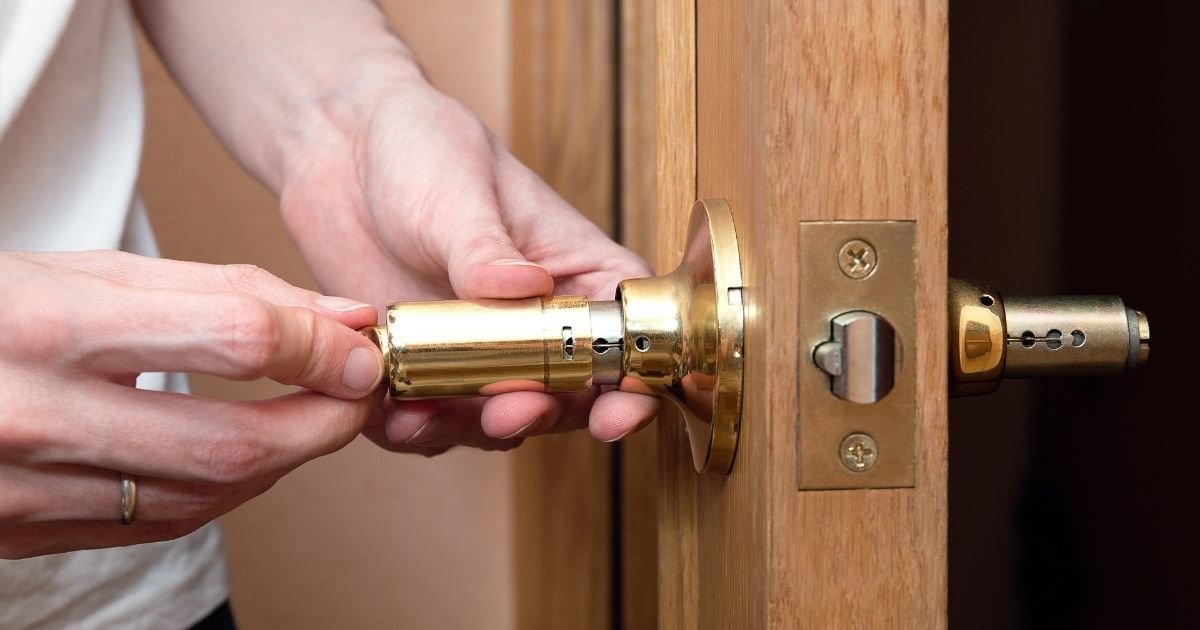
A jammed or sluggish door lock mechanism signals deeper wear within the system. When latches drag, handles loosen, or cylinders grind, precise repair becomes crucial. Understanding how each part interacts helps you restore smooth performance and prevent recurring lock issues.
To repair a door lock mechanism, start by removing the handle. Inspect the internal gearbox and replace the worn springs or pins. If needed, clean the housing, lubricate components, and reassemble with correct alignment.
At Kingdom Locksmith, we repair every type of door mechanism, from traditional mortice locks to advanced multi-point systems. Our qualified locksmiths deliver expert, timely service to restore full strength and lasting reliability to your locks.
Why Door Lock Mechanism Repair Matters?
A strong, reliable door lock is more than a piece of metal. It’s your first line of defense. When it starts to fail, every small issue affects your safety and daily convenience. Here’s why timely repair matters most.
1. Protects Against Forced Entry
Even a minor fault weakens your door’s resistance. Repairing it early restores full locking strength and keeps your home protected from unwanted access.
2. Extends the Lock’s Lifespan
Friction, loose pins, or worn gears shorten a lock’s life. Repairing these small problems on time keeps all components aligned and working smoothly for years.
3. Restores Smooth Operation
A repaired lock gives you that solid, effortless turn of the key again. Smooth movement means every part inside is doing its job correctly and reliably.
4. Prevents Sudden Breakdowns
Locks often fail at the worst time. Fixing stiffness or minor misalignment before it worsens saves you from being locked out or calling for emergency help.
5. Maintains Consistent Security
Weather, daily use, and dust all test your lock’s precision. Routine repairs keep the internal parts balanced so your door locks securely every time you close it.
How a Door Lock Mechanism Works?
A door lock mechanism works by coordinating several moving parts that control access. When you insert and turn the key, it rotates the cylinder, which shifts internal pins or gears.
This motion drives the latch or bolt to retract or extend into the strike plate. Inside, springs maintain tension for smooth key return and consistent locking. Every part, like the cylinder, latch, cam, and gearbox, moves in sync to secure or release the door with mechanical precision.
This guide focuses on standard household door lock mechanisms used on wooden, uPVC, and composite doors, and does not apply to car locks, appliance locks, washing machine doors, or sliding patio door track systems.
Door Lock Parts and Components (What Each Part Does)
To repair a door lock mechanism properly, you must understand the individual door lock parts and how they work together. Each component plays a specific role, and failure in any one of them can cause the lock to jam, stick, or stop working completely.
Below is a clear breakdown of the main door lock components found in most residential and commercial locks.
Lock Cylinder
The lock cylinder is the part where you insert the key. Inside, it contains pins and springs that align when the correct key is used. If the cylinder wears out, the key may turn roughly, spin freely, or fail to engage the mechanism.
Cam (Cylinder Tailpiece)
The cam connects the cylinder to the internal locking mechanism. When you turn the key, the cam transfers that motion to retract or extend the latch or bolt. A broken cam often causes the key to turn without unlocking the door.
Latch Bolt
The latch bolt keeps the door closed when it is not locked. It retracts when you turn the handle and extends back into the strike plate when the door closes. If the latch bolt is worn or misaligned, the door may not latch securely.
Deadbolt
The deadbolt provides the main locking strength of the door. Unlike the latch, it does not move when the handle turns. A damaged deadbolt can prevent the door from locking fully or reduce resistance against forced entry.
Spindle
The spindle is a metal bar that connects the door handles through the lock mechanism. When you turn the handle, the spindle rotates to activate the latch. A loose or worn spindle often causes a wobbly handle or incomplete latch retraction.
Gearbox (Multipoint Locks)
In uPVC and composite doors, the gearbox controls multiple locking points along the door edge. It synchronizes hooks, rollers, or bolts. A failing gearbox can cause the entire door lock mechanism to jam or stop responding.
Springs and Return Mechanism
Internal springs allow the handle and latch to return to their original position after use. When springs weaken or break, the handle may feel stiff or fail to spring back properly.
Strike Plate
The strike plate is mounted on the door frame and receives the latch or bolt. Even a perfectly working lock can fail if the strike plate is misaligned, causing difficulty locking or unlocking the door.
Faceplate and Fixing Screws
The faceplate secures the lock mechanism inside the door, while fixing screws hold all components in alignment. Loose or stripped screws can lead to shifting parts and inconsistent lock performance.
Understanding these door lock mechanism parts helps you identify where problems originate and determine whether a repair, adjustment, or full replacement is the best solution.
Common Signs of a Failing Door Lock Mechanism
A door lockdoesn’t fail suddenly. It weakens over time. Paying attention to small changes in performance helps you act before the mechanism breaks completely. Here’s what to watch for:
1. Key Turns Roughly or Feels Tight
When your key starts grinding or requires extra pressure to turn, it often means the lock cylinder pins are worn, misaligned, or dry. Dirt or corrosion inside the keyway can also block smooth movement.
2. Handle Feels Loose or Wobbly
A shaky handle usually signals a loose spindle or stripped screws inside the latch assembly. As this worsens, the handle may fail to retract the latch completely, leaving your door unsecured.
3. Door Doesn’t Latch Properly
If the door doesn’t click shut smoothly, the strike plate or latch bolt may have shifted out of alignment. This often happens from repeated use or slight door frame warping over time.
4. Lock Cylinder Spins Freely
When the key turns without engaging the mechanism, it means the internal cam or retaining screw has snapped. This failure disconnects the cylinder from the latch system entirely.
5. Clicking or Grinding Sounds When Turning
Unusual noises indicate friction inside the gearbox. Dust, metal shavings, or worn gear teeth can cause these sounds, and ignoring them risks a full mechanical jam later.
6. Key Gets Stuck or Hard to Remove
If your key feels trapped inside the lock, the issue is usually with bent key edges or damaged internal pins. Both prevent proper pin alignment during rotation.
7. Handle Stiffness or Failure to Spring Back
A handle that doesn’t return smoothly often means a fatigued or broken spring inside the latch body. This reduces tension and causes the mechanism to feel sluggish.
Quick Fix Checklist for Common Door Lock Problems
When a door lock mechanism stops working properly, the cause is often easy to trace if you know what to look for. Use this quick checklist to diagnose common door lock problems before attempting a full repair.
Door Lock Is Stuck or Hard to Turn
If the key feels stiff or refuses to turn, the issue is usually dirt buildup, lack of lubrication, or slight door misalignment. Start by cleaning the keyway with compressed air and applying a dry lubricant such as graphite or silicone. Check that the door closes evenly without rubbing the frame.
Door Will Not Lock or Unlock Fully
When the lock does not engage completely, the strike plate is often misaligned with the latch or bolt. Tighten loose screws and adjust the strike plate position so the latch enters smoothly. Worn latch bolts can also prevent full engagement.
Key Turns but Nothing Happens
If the key rotates but the door does not lock or unlock, the cylinder cam or internal linkage may be broken. This disconnects the key from the latch mechanism and usually requires part replacement rather than simple adjustment.
Handle Feels Loose or Does Not Retract the Latch
A loose handle typically points to a worn spindle, stripped screws, or internal latch wear. Remove the handle, inspect the spindle ends, and tighten or replace components as needed to restore proper movement.
Handle Does Not Spring Back
When the handle fails to return to its original position, the internal return spring inside the latch body has likely weakened or snapped. Replacing the latch assembly or spring restores normal handle tension.
Lock Makes Grinding or Clicking Sounds
Grinding or clicking noises indicate internal friction, worn gears, or debris inside the mechanism. Continued use can cause full jamming. Disassemble the mechanism, clean internal components, and replace damaged parts before reassembly.
Door Lock Mechanism Is Not Working at All
If the lock does not respond to either the key or handle, the internal gearbox or latch assembly may have failed completely. In this case, replacing the faulty component or contacting a professional locksmith is the safest solution.
This checklist helps identify whether your door lock issue can be fixed with basic adjustment or lubrication, or if a deeper mechanical repair is required.
Essential Tools and Materials for Lock Mechanism Repair
Before starting any lock repair, you need the right tools for precision and control. Each tool has a specific role, and the right setup makes the job cleaner, faster, and more accurate.
| Tool / Material | Purpose and Professional Use |
| Screwdrivers (Phillips & Flathead) | Used to remove faceplates, handles, and internal screws. Precision tips prevent head stripping during disassembly. |
| Allen Keys / Hex Wrenches | Ideal for lever handles and modern locksets that use recessed hex screws. |
| Drill and Bits Set | For loosening jammed screws or preparing holes when re-seating a lock mechanism. Use variable-speed drills for control. |
| Needle-Nose Pliers | Grip small pins, springs, or clips within the gearbox housing without bending parts. |
| Lubricant (Graphite or Silicone-based) | Reduces friction inside the cylinder and latch. Never use oil-based lubricants as they collect dust. |
| Measuring Tape | Measures backset, spindle length, and screw spacing for correct reinstallation. |
| Chisel and Hammer | Adjust mortise openings or remove minor obstructions in wood or uPVC frames. |
| Tweezers / Magnetic Pickup Tool | Retrieves tiny lock pins or springs that may drop during repair. |
| Masking Tape | Marks drill points or secures moving parts temporarily during alignment. |
| Safety Glasses | Protect your eyes from flying debris when drilling or chiseling. |
| Replacement Parts | Includes latch springs, cylinders, gearboxes, or strike plates – always match by manufacturer and size. |
Step-by-Step Guide to Repair a Door Lock Mechanism
Repairing a door lock mechanism takes patience and precision. Each step matters because every internal part – from the latch to the gearbox – must align perfectly for smooth operation. Let’s go through the process carefully.
Step 1: Remove Handle and Faceplate
Begin by loosening the handle screws with a Phillips screwdriver. Pull both sides of the handle away evenly to avoid bending the spindle. Unscrew and remove the faceplate covering the mechanism, keeping the screws safe for reassembly. Work gently to prevent surface scratches or stripped threads.
Step 2: Extract the Mechanism Housing
Once the faceplate is off, locate the housing that holds the internal mechanism. Use a flathead screwdriver to pry it out slowly without forcing it. Tilt and slide the unit out along the latch axis to release it fully. Handle it firmly but carefully to avoid bending delicate internal parts.
Step 3: Inspect Latch and Gearbox Components
With the housing removed, examine the latch, spring, and gearbox for cracks, corrosion, or misalignment. Rotate the spindle manually to see if the latch retracts smoothly. If it grinds, catches, or feels loose, you’ve likely found the fault. Identifying wear now saves time later in the rebuild.
Step 4: Replace Worn or Damaged Parts
Using manufacturer-approved replacements, swap any corroded latch, spring, or gear pieces. Insert each new component in the same position as before. Align the latch tongue precisely with the housing slot. Even slight misalignment can cause sticking or jamming once reinstalled.
Step 5: Reassemble and Check Alignment
Slide the repaired mechanism back into the cavity. Before tightening, check that the latch tongue sits flush with the strike plate area. Insert the spindle and turn it several times to confirm free movement. Once the motion feels smooth, secure the faceplate back in position.
Step 6: Lubricate and Refit the Lock Mechanism
Apply a silicone-based or graphite lubricant to the latch, gear teeth, and keyway – avoid oil-based types that attract dust. Reinstall the handle and test the lever movement. Lubrication reduces friction and keeps the mechanism responsive for long-term use.
Step 7: Test Lock Function Smoothly
Close the door and operate the handle several times to confirm proper engagement. Lock and unlock using the key to verify smooth motion and alignment. If it still feels stiff, slightly adjust the strike plate or latch position. A well-repaired mechanism should click and retract effortlessly.
Troubleshooting Advanced Mechanism Faults
When a door lock continues to malfunction after basic fixes, the problem often lies deep within the internal mechanism. Addressing these advanced mechanical faults requires precision, technical awareness, and attention to component integrity.
1. Gearbox Malfunction
If the handle moves but the latch fails to retract, remove the gearbox assembly for inspection. Examine internal gears and springs for stripping or deformation, and replace any worn parts to re-establish correct motion transfer.
2. Spindle Misalignment
A loose or inconsistent handle turn indicates spindle misalignment. Detach the handle, extract the spindle, and inspect for rounding or wear at the ends. Realign and reseat it firmly to restore smooth and accurate engagement with the latch.
3. Damaged Latch Spring
If the handle fails to return to its neutral position, the latch spring has likely weakened or fractured. Remove the latch unit, fit a new high-tension spring, and test for responsive return motion before reassembly.
4. Cylinder Cam Failure
When the key turns without activating the bolt, the cam within the cylinder is likely broken or detached. Remove the cylinder, install a new cam, and verify that it rotates cleanly and synchronizes with the latch movement.
5. Multi-Point Lock Jamming
For uPVC or composite doors, internal debris or bent hook bolts often cause full-system jams. If your door is misaligned or difficult to lock, you can also follow this guide on how to adjust a uPVC door locking mechanismto restore proper alignment before attempting a full repair. Dismantle the strip mechanism, clean all channels, lubricate key pivot points, and realign the bolts before resecuring the gearbox.
For complex uPVC or multi-point locking systems, internal repairs often require specialist tools and precise alignment, and full mechanism replacement is sometimes safer than attempting a DIY fix.
6. Broken Retaining Clips or Pins
If the mechanism shifts or feels unstable, disassemble the lock case and examine all retaining clips and pivot pins. Replace damaged components and tighten connections to preserve structural stability.
When to Replace Instead of Repairing?
Knowing the right time to replace a door lock can make the difference between safety and a sudden breakdown. When repairs no longer restore smooth function, it’s time for a new lock.
- Severe Internal Damage– Cracked or warped gears indicate structural failure. The lock can jam or break completely at any moment.
- Frequent Jamming or Stiffness– If the key keeps sticking or the handle resists turning, the mechanism is already nearing collapse.
- Excessive Corrosion or Rust– Once rust reaches the internal pins, the lock loses strength and may stop turning altogether.
- Outdated or Low-Security Design– Older locks lack essential features like anti-snap or anti-pick protection, leaving your home exposed.
- Irreversible Key or Cylinder Wear– A spinning or misaligned key shows that the cylinder’s precision is gone and must be replaced.
Why Hire a Professional Locksmith for Door Lock Mechanism Repair
Repairing a door lock mechanism may seem manageable, but precision and technical skill are crucial. Hiring a professional locksmith guarantees expertise, accuracy, and long-term reliability that DIY methods rarely achieve.
1. Technical Diagnosis Accuracy
A professional locksmith identifies faults beyond visible symptoms. They diagnose worn gears, internal tension issues, and misaligned pins using specialized tools, ensuring the right problem is fixed the first time.
2. Specialized Tools and Equipment
Lock mechanisms, especially multipoint and mortise systems, require precision tools for dismantling and calibration. Locksmiths use manufacturer-grade instruments to repair or replace components without damaging the housing or frame.
3. Manufacturer-Specific Knowledge
Each brand designs its mechanism differently. Certified locksmiths understand brand-specific tolerances, spring tensions, and lock geometries, ensuring repairs meet original specifications for maximum security and function.
4. Enhanced Security Assurance
Professional repair not only restores operation but also reinforces security standards. Locksmiths recalibrate components to prevent forced-entry vulnerabilities and confirm that the mechanism meets insurance-grade protection levels.
5. Cost-Effective and Long-Term Solution
DIY repairs often lead to recurring faults or complete lock failure. A locksmith’s precise work extends the lock’s lifespan, preventing repeated expenses and maintaining door integrity over time.
6. Emergency and Advanced Services
If the mechanism fails completely or the key breaks inside the lock, professionals handle complex extraction and rekeying efficiently, restoring security within minutes without further damage.
Conclusion
Repairing a door lock mechanism demands patience, accuracy, and the right approach. Each part from the latch to the gearbox plays a critical role in maintaining smooth, secure door movement. By addressing wear early and following proper repair steps, you extend the lifespan of your lock and protect your home’s security. For complex or multi-point systems, expert servicing is always worth it.
At Kingdom Locksmith, we restore lock mechanisms with unmatched precision. Our experienced technicians diagnose, repair, and test every detail to ensure lasting reliability. Whether it’s a stiff latch, worn gearbox, or full mechanism rebuild, we bring your locks back to perfect working order, quickly and professionally.
Frequently Asked Questions
Question: How do I know if my door lock mechanism needs repair?
Answer: Common indicators include a loose handle, resistance when turning the key, or a latch that fails to engage or retract smoothly. These signs often point to worn gears, weakened springs, or internal misalignment within the lock mechanism.
Question: Can I repair a broken lock mechanism myself?
Answer: You can handle simple maintenance such as cleaning, lubricating, or tightening screws. However, internal repairs involving the gearbox, pins, or springs require professional locksmith expertise to prevent structural damage or security compromise.
Question: How long does it take to repair a door lock mechanism?
Answer: Professional locksmiths typically complete standard mechanism repairs within 30–60 minutes. Complex issues, such as multi-point lock adjustments or component replacements, may take longer depending on part availability and lock design.
Question: What type of lubricant should I use for door locks?
Answer: Use a dry graphite or silicone-based lubricant specifically formulated for locks. These prevent corrosion and friction without leaving residue that can attract dirt or clog the internal components. Avoid oil-based products like WD-40.
Question: When should I replace instead of repairing my door lock mechanism?
Answer: Replacement is advised when the internal gearbox is cracked, the mechanism shows corrosion beyond repair, or the lock model no longer meets modern security standards. In such cases, a new mechanism ensures both safety and long-term reliability.