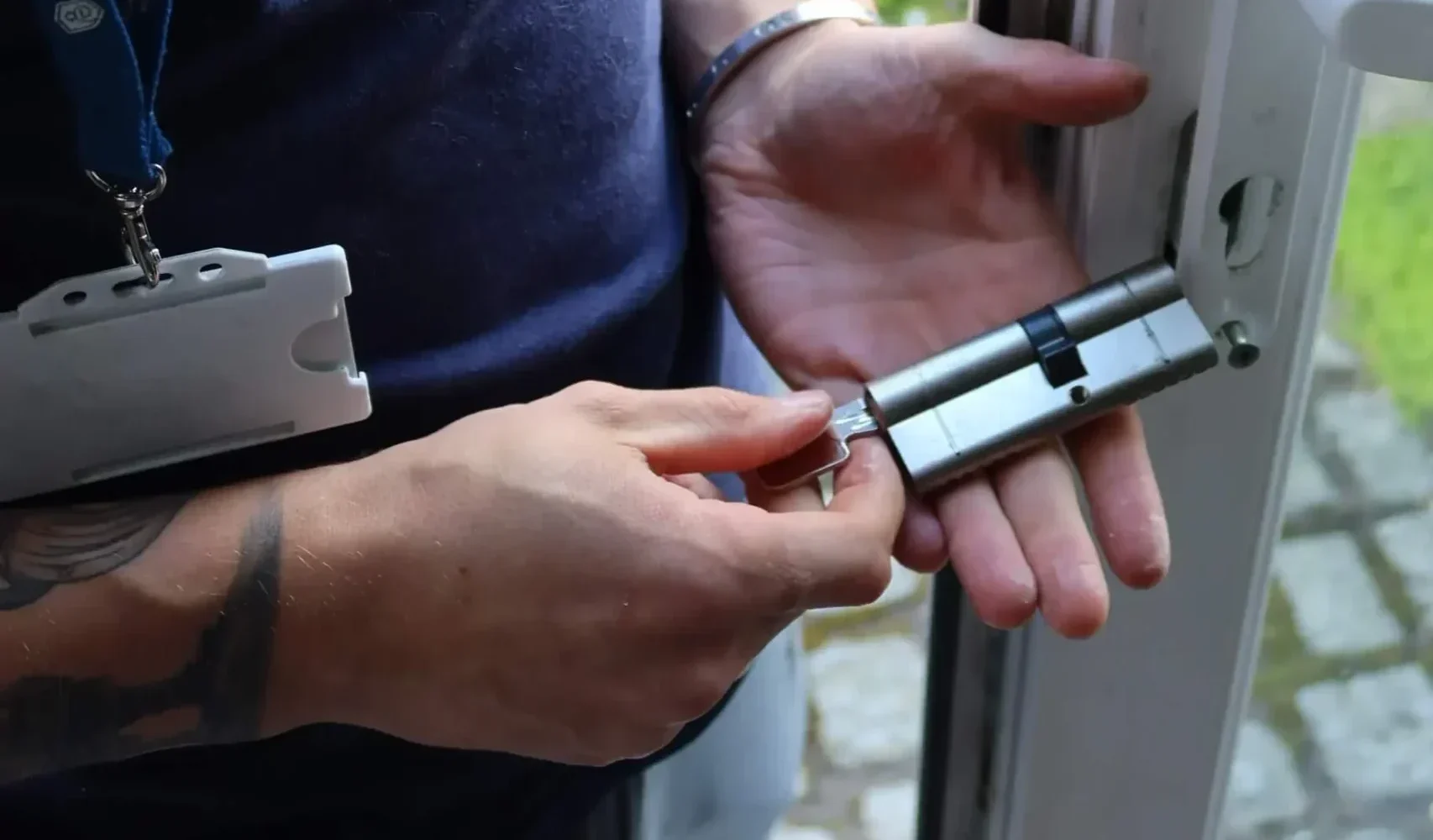
Key Safe Placement: Visibility, Fixing and Access Control

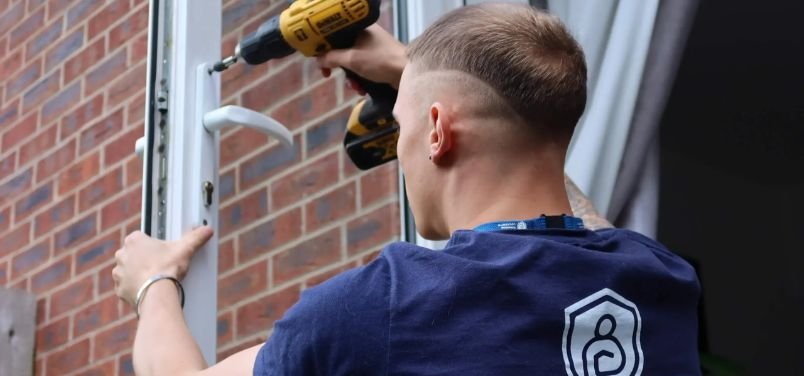
The best place for a key safe is a position that combines secure fixing, practical access and sensible visibility. Installing a good key safe in weak masonry or placing it where an authorised user cannot comfortably operate it can undermine the purpose of the installation.
Placement should therefore be decided after checking the key-safe model, wall construction and people who will use it. A carer-access installation may need a different position from a landlord key safe used occasionally by contractors.
Does a Key Safe Need to Be Hidden?
Not necessarily, but there is usually little benefit in making a key safe more obvious than required. Manufacturer guidance commonly recommends positioning key safes away from unnecessary public attention while keeping them accessible and sufficiently well lit for authorised users, as The Key Safe Company's installation guidance explains.
The security rating of the product also matters. An independently tested key safe fixed correctly provides a different level of protection from a basic key box with no recognised security certification.
Secured by Design operates the Police Preferred Specification scheme for security products that meet its required standards. Checking for recognised independent certification is more useful than assuming every wall-mounted combination box provides the same level of protection.
Does a Key Safe Have to Be Beside the Front Door?
No. A mechanical key safe does not normally need a power supply, so it does not automatically have to sit immediately beside the entrance it serves.
Moving it away from the door can sometimes make it less obvious from the road while still keeping it easy for an authorised person to find. The Key Safe Company specifically notes that suitable locations can include areas away from the front door, depending on the property and user requirements.
The position still needs to make practical sense. A carer should not have to search around a property, cross an unsafe surface or enter a restricted area simply to retrieve the key.
Start With the Wall, Not the Convenience
A suitable fixing surface is one of the most important parts of key-safe placement. A strong security product can perform poorly if it is attached to weak material using inappropriate fixings.
Some security-rated key safes are specifically tested for installation onto flat brick, blockwork or good-quality concrete. Their manufacturers may not approve fixing those models directly onto render, pebbledash or other unsuitable surfaces.
That is why the wall should be assessed before drilling starts. When we fit a key safe, we fix into solid brick or masonry with anchors that suit it, never into render, mortar joints or a hollow wall.
Avoid Fixing Into Weak Mortar
For products designed to be mounted onto masonry, the fixing normally needs to obtain secure purchase in the approved substrate rather than relying on weak mortar between bricks. Manufacturer installation guidance should determine the exact position, drill size and fixing method.
The Key Safe Company advises mounting applicable products directly to suitable masonry and specifically warns against installing masonry screws directly into mortar. It also gives product-specific edge-clearance requirements that should be followed for the model being installed.
Do not copy a fixing method from another key safe simply because the boxes look similar. Different products can have different approved substrates and installation requirements.
What About Render or Pebbledash?
A rendered wall needs more careful assessment because the visible surface does not necessarily show what is behind it. Some key-safe models are designed and tested for particular rendered-wall installations, while others are not.
For example, current manufacturer guidance states that some C500 and P500 models should be installed directly onto suitable brick, blockwork or concrete rather than render if their security accreditation is to be maintained. Other models use different approved fixing arrangements.
The correct question is therefore not simply “Can a key safe go on render?” It is whether this specific model can be securely installed on this particular wall in accordance with its instructions.
How High Should a Key Safe Be?
There is no useful universal height for every property and user. The safe needs to be reachable by the people authorised to operate it while still being mounted on an appropriate section of the wall.
For carer access, consider the mobility, height and dexterity of the expected users. Buttons or dials need to be visible and operable without unsafe stretching, kneeling or climbing.
Lighting also matters, particularly when access may be required early in the morning or at night. Manufacturer guidance recommends considering both visibility for the user and ease of access when choosing the position.
Keep the Code Controlled
Physical installation is only one part of key-safe security. The access code effectively controls who can retrieve the stored key, so it should be shared only with people who genuinely require access.
For a family care arrangement, that may include authorised relatives and care workers. For a managed rental, it might include a specific contractor or authorised property manager for a limited period.
When somebody no longer requires access, review whether the code should be changed. When we fit a key safe, we show you how it works, including how to change the code on the model fitted.
Avoid displaying the code near the box or storing it somewhere that defeats the purpose of controlled access.
Key Safe Placement for Carers
A key safe can be particularly useful when carers or relatives need authorised access to somebody who cannot easily reach the door. In this situation, reliability and usability matter alongside burglary resistance.
The safe should be positioned where the intended carer can find and operate it without unnecessary delay. It should also be installed securely enough that providing convenient access does not create an avoidable weakness at the property.
Where several people use the code, have a clear process for deciding who receives it and when it should be changed. The goal is controlled access, not simply distributing one permanent code indefinitely.
Key Safe Placement for Landlords
Landlords may use key safes for contractors, cleaners, inspections or managed access between occupancies. The same placement rules apply, but code management becomes especially important when authorised users change frequently.
Do not assume that installing a key safe removes the need to control the keys themselves. Once a person retrieves the physical key, ordinary key-management considerations still apply.
For wider rental-property access and lock work, see our landlord and HMO locksmith service.
Key Safe Placement Checklist
| Check | What to Consider |
|---|---|
| Product rating | Is the exact key safe independently security tested? |
| Wall | Is the substrate approved for that model? |
| Fixing point | Are the fixings going into sound material? |
| Visibility | Is it unnecessarily obvious from public view? |
| User reach | Can authorised users operate it safely? |
| Lighting | Can the controls be used when access is required? |
| Door distance | Does it need to be directly beside the entrance? |
| Code control | Who knows the code and when will it be changed? |
| Key purpose | Which door does the stored key operate? |
| Manufacturer instructions | Does the planned installation preserve the product’s intended security performance? |
The final position should satisfy all of these considerations rather than prioritising only convenience.
Common Key Safe Placement Mistakes
One common mistake is choosing the position first and then trying to make the key safe fit that wall. The more reliable approach is to assess the product, substrate and user requirements together.
Other mistakes include fixing into weak mortar, assuming every rendered wall is suitable, placing the safe where users cannot comfortably operate it and leaving an access code unchanged after authorised users no longer need entry.
Another mistake is treating a key safe as a solution to a faulty door lock. If the door itself is difficult to open or the locking mechanism is failing, repair that issue separately rather than relying on a stored spare key.
Frequently Asked Questions
Should a Key Safe Be Visible From the Road?
Where practical, avoiding unnecessary visibility can reduce attention on the safe. However, the position must still be accessible and usable by the people who legitimately need it.
A recognised security-rated product correctly fixed to its approved substrate remains more important than trying to conceal a poorly installed box. Visibility should be considered together with physical security.
Can I Install a Key Safe on Render?
It depends on the exact product and the construction behind the render. Some models have installation arrangements for rendered walls, while others are certified only when mounted directly to specified masonry or concrete.
Should a Key Safe Be Next to the Front Door?
No. It can often be installed elsewhere on the property provided the position has a suitable fixing surface and authorised users can locate and access it safely. A less obvious position can sometimes offer a better balance between convenience and discretion. The stored key still needs to be available quickly enough for its intended purpose.
How Often Should the Key Safe Code Be Changed?
There is no universal timetable that suits every household. Review the code whenever access permissions change or when there is reason to believe somebody who no longer requires entry still knows it.
Final Thoughts
Good key safe placement is a balance between security and authorised access. The safe needs an appropriate wall, correct fixing method, sensible level of visibility and a position that the intended users can operate safely.
Do not choose a location simply because it is beside the front door or easy to drill. Check the manufacturer’s approved substrate and installation requirements first, then consider reach, lighting, discretion and how the access code will be managed.
Where the right product, wall or position is unclear, our key safe installation service can assess it and fit it for you. A suitable key safe fixed correctly is more useful than a stronger-looking box installed in the wrong place.