Non-Destructive Entry: What It Means

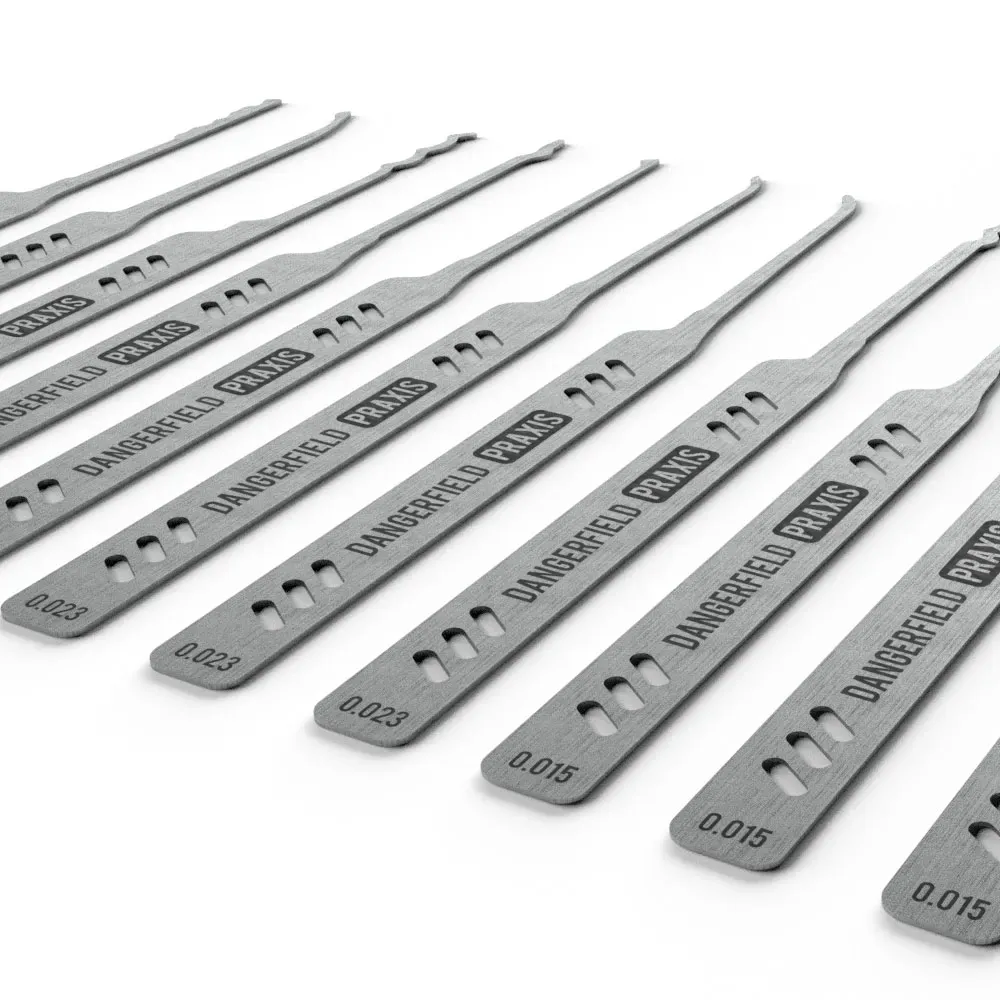
Non-destructive entry means attempting to gain authorised access without deliberately damaging the lock, door or surrounding hardware. It is an important approach in locksmith work, but it is not a promised result. The available method depends on why the door will not open, how it is secured, the condition of the hardware and the locksmith’s lawful access checks.
A locked-out service should assess the complete situation rather than select a technique from a brief description alone. Existing failure or damage can make a non-destructive method unsuitable even when the door looks normal from outside.
When might non-destructive entry be considered?
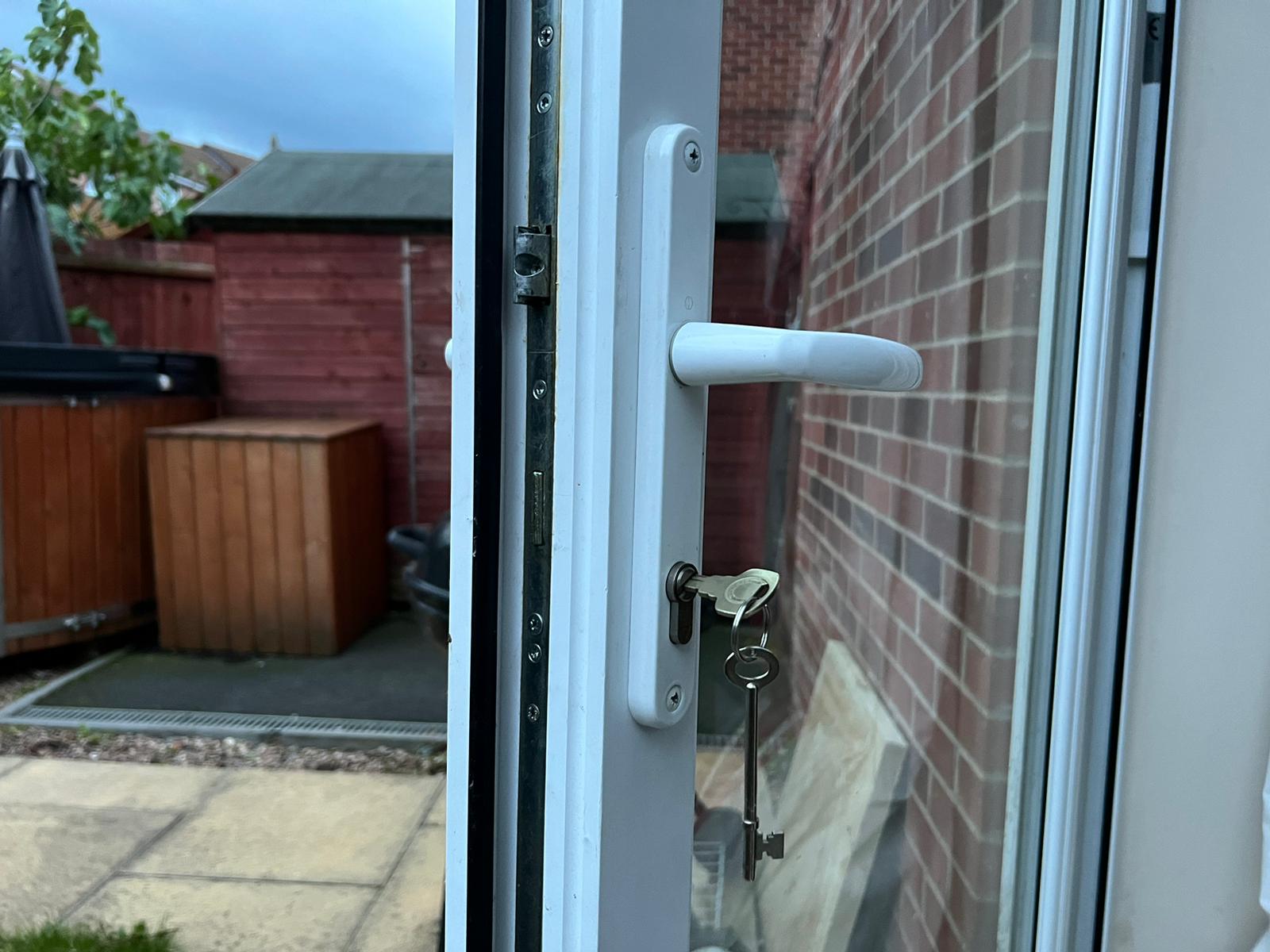
It may be possible where a sound residential or commercial door is shut and the locking arrangement permits a suitable bypass, manipulation or picking technique. The exact option is lock- and door-dependent. A door that is merely latched presents a different problem from one secured by a deadlock or multipoint system. Keys left inside, internal thumbturns and emergency-function cylinders also change the assessment, and these configurations should not be treated as equivalent.
Non-destructive techniques can also be relevant when a key has broken, but extraction does not prove that the cylinder remains serviceable. After any fragment is removed, the key, cylinder and surrounding mechanism need inspection. Prior force, internal wear or fragment damage may still make repair or replacement appropriate.
Electronic access control, vehicles, safes and vaults are specialist areas. Methods depend on the exact system and may not be non-destructive. A suitably competent provider for that category should be consulted; a general statement about locksmith entry should not be taken as confirmation that Kingdom undertakes those services.
How is the method chosen?
The locksmith should first establish authority to enter and inspect the door, lock and symptoms. Reasonable authority checks depend on the circumstances and may involve documents, information or proof available once access is gained. Customers should expect to explain their connection to the premises.
The technical assessment may consider:
- whether the door is latched, locked or mechanically failed;
- lock type, keyway and visible protective hardware;
- door and frame condition;
- signs of attack, distortion or previous attempts;
- whether a key fragment or foreign material is present; and
- safe alternative access authorised by the customer.
The locksmith can then explain the least damaging suitable options. A specialist technique should not be attempted by an untrained occupant using improvised tools. Such attempts can obstruct the keyway, damage the cylinder or affect connected hardware.
Does drilling mean poor practice?
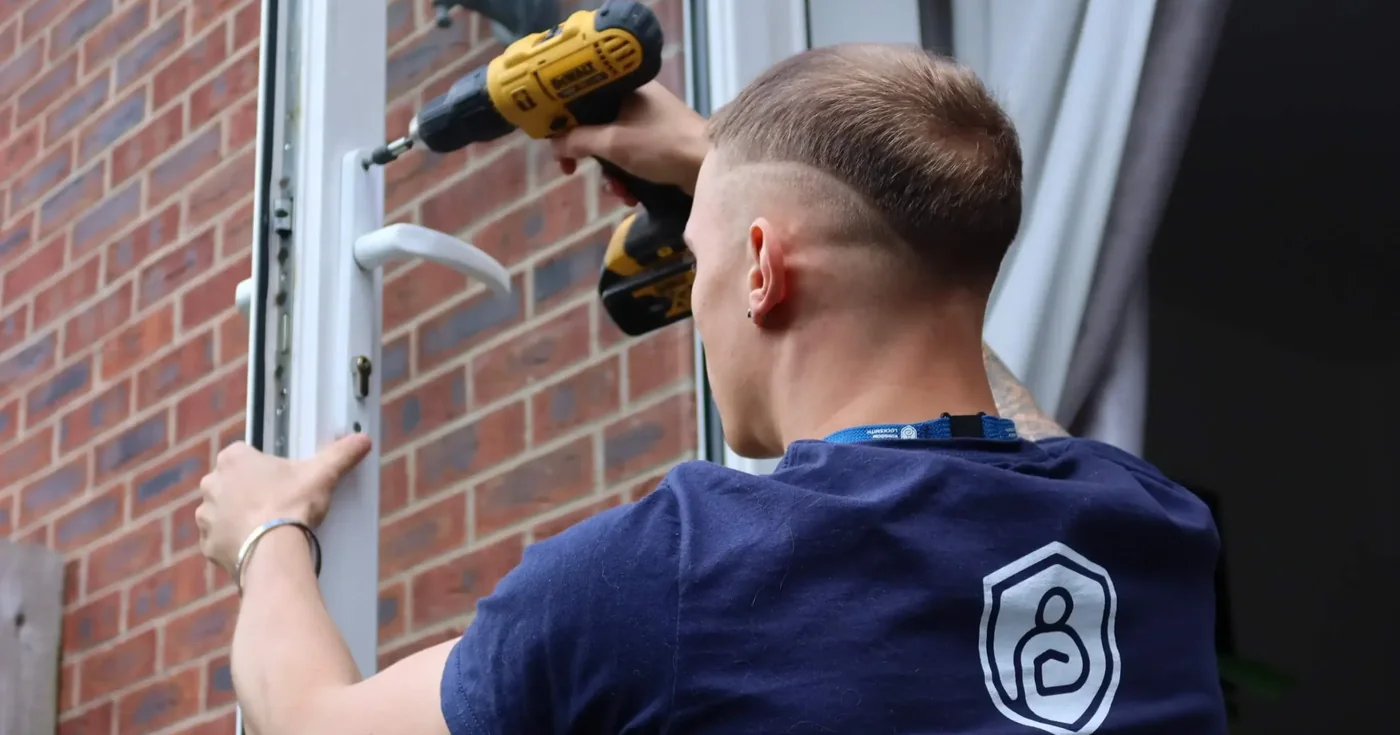
No. Controlled drilling may be a legitimate method after assessment when non-destructive options are unsuitable or have not worked. Properly targeted work may sacrifice a component without necessarily damaging the door. Careless drilling, by contrast, can harm surrounding hardware or the door itself.
Ask why drilling is proposed, which component is expected to be affected and what compatible replacement would then be needed. The decision should be informed and authorised. A blanket promise never to drill is no more useful than drilling without first considering suitable alternatives.
What are the limits of non-destructive entry?
A failed lock can remain mechanically engaged even when the correct key is available. Multipoint strips may bind, internal components may break and doors can move out of alignment. Security features may also prevent common bypass methods by design. In these situations, forcing a nominally non-destructive technique can create more damage than a controlled alternative.
Even a successful opening does not show that the lock is sound. The locksmith should inspect why access was lost and explain whether adjustment, door lock repair or lock replacement is appropriate. Decisions must account for the exact product, door, operation and security requirements.
Questions to ask before authorising entry
Ask the provider:
- What has been established about the lock and door?
- Which non-destructive methods are suitable for this configuration?
- What factors could rule them out?
- If a destructive method is needed, what will it affect?
- Will the cause of the lockout be assessed after opening?
- How will any repair or replacement be described and authorised?
Request an itemised estimate after assessment, particularly if access work and remedial work are separate. Confirm VAT treatment and the assumptions behind the scope. Insurance questions should be addressed to your own insurer using the actual circumstances and policy wording.
What not to try
Do not insert improvised picks, cards or tools into an unfamiliar lock or door gap. Do not force a key, repeatedly operate a resistant multipoint handle or add a generic lubricant. Hardware makers specify different maintenance products and methods; mixing products or flooding a cylinder may worsen the fault. Follow exact manufacturer guidance, and stop when the product cannot be identified or the operation is uncertain.
Arranging an assessment
Provide the door material, lock markings, observed symptoms, whether the door is open or shut and any previous attempts. Photographs can help with preparation but cannot confirm the internal fault. Kingdom Locksmith can be approached through the contact page to ask about an authorised entry assessment. Current availability, service scope and the proposed method must be confirmed for the specific address and lock.