What Services Do Locksmiths Provide?

Locksmiths work on access and lock-security problems, but their skills and service scope vary. A domestic locksmith may focus on house doors, while automotive keys, safes, access-control systems and some commercial hardware require different equipment or specialist training. Always confirm competence for the exact system before booking.
For urgent work, live availability also has to be checked at the address. A website cannot establish who will attend, what parts are available or whether the job can be completed in one visit.
Lockouts and entry
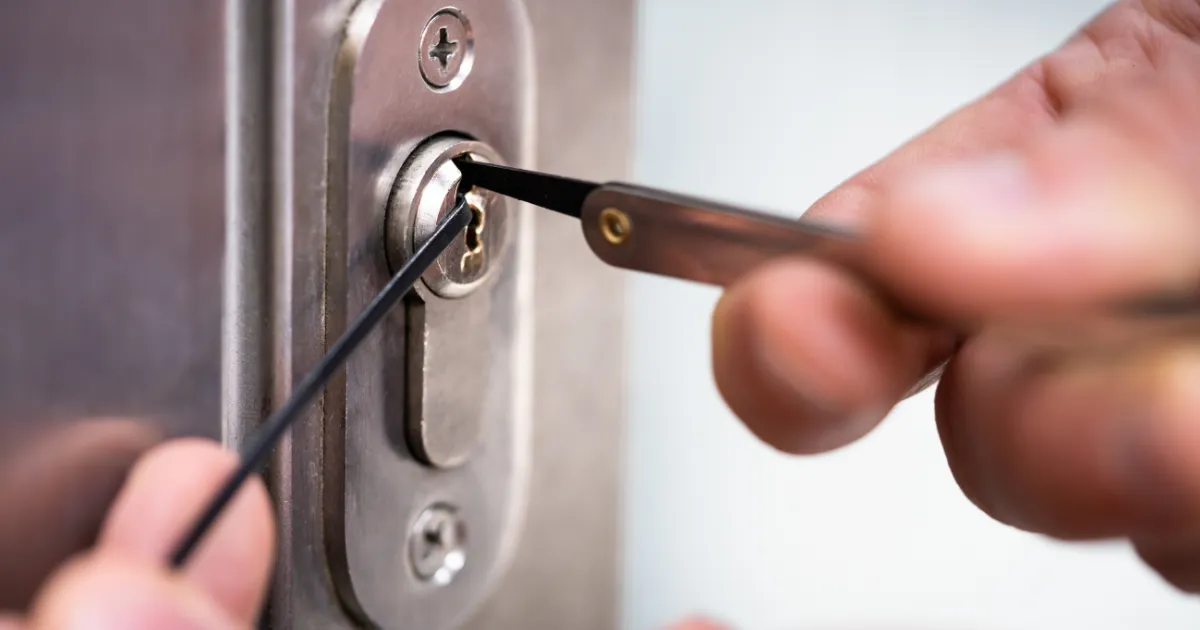
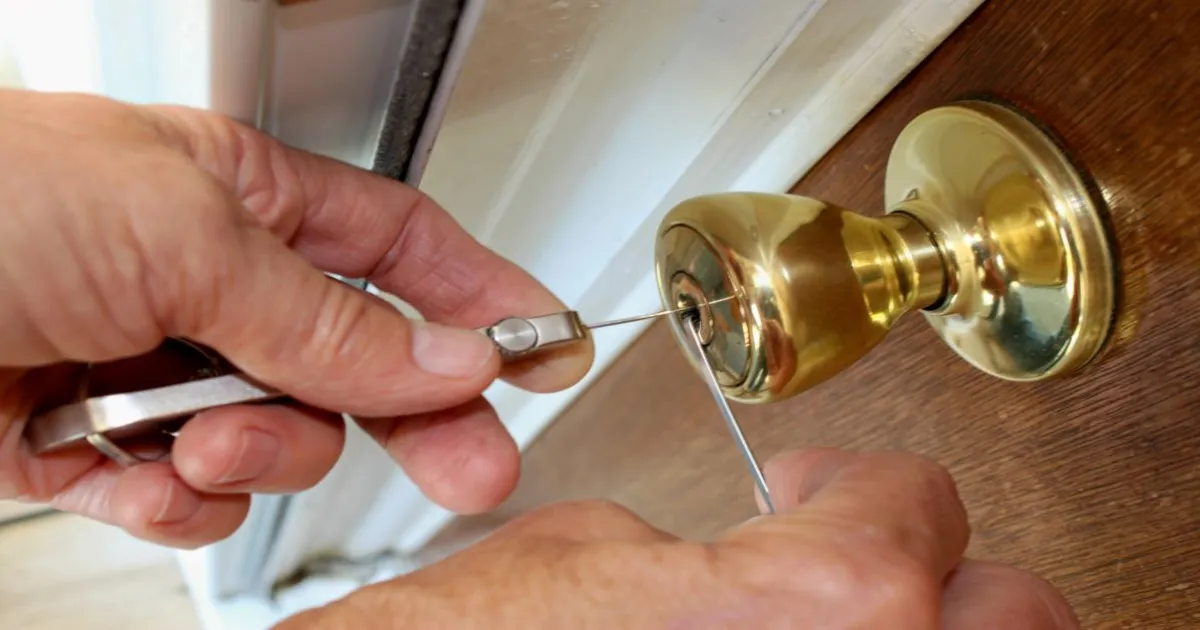
A locksmith may help an authorised person regain access when a door is latched, keys are lost or a lock has failed. They should assess the lock before choosing a method and take reasonable steps to verify authority. Non-destructive entry may be possible and should be considered where suitable, but no responsible provider can guarantee it before inspection.
If controlled drilling or another destructive method is proposed, ask why, what component will be damaged and what replacement is required. The locked-out service guide explains how to prepare for a home lockout.
Lock and door-hardware repairs
Repair work can include diagnosing stiff keys, faulty latches, loose handles, failed lock cases and problems affecting connected multipoint mechanisms. Symptoms alone rarely prove which part is at fault. The locksmith may need to inspect the key, cylinder, handles, spindle, lock case, strip, keeps, hinges and alignment.
Depending on the diagnosis, the options may include adjustment, a component repair, replacement, temporary securing or ordering a compatible part. Completion depends on the condition and parts; “fixed first time” should not be assumed. See the door lock repair page for common assessment points.
Lock, cylinder and access changes
People request changes after moving home, losing identifiable keys, ending a tenancy or changing who should have access. A cylinder replacement is not the same as replacing a complete lock or multipoint strip. Ask for each option to be named accurately and itemised.
Some lock designs can be rekeyed, while others cannot. Rekeying has no universal cost or speed advantage. Once the existing hardware is identified, compare compatible rekeying, cylinder-change or lock-replacement options. The lock replacement overview provides further context.
Key cutting and broken-key work
Some locksmiths cut keys, but capability depends on the key profile, authorisation and equipment. Restricted or protected key systems may require evidence or an approved supplier. Automotive transponders and certain access credentials are specialist work and should be confirmed separately.
A locksmith may also extract a snapped key. The fragment's position and previous attempts affect the work, and the cylinder must be inspected afterwards. Extraction does not guarantee that the lock or remaining key is undamaged.
uPVC and multipoint door work
Many uPVC and composite doors use a centre case connected to a multipoint strip. A locksmith with relevant experience may assess handles, spindles, cylinders, centre cases, locking points and alignment. Similar symptoms can arise from different faults, and obsolete parts may require alternatives or a return visit.
Do not flood the mechanism with a generic spray or force the handle. Maintenance products and application points depend on the exact manufacturer. The uPVC door repair information gives safer preparatory guidance.
Burglary-related securing
Following burglary or attempted entry, contact the police as appropriate and preserve evidence. A locksmith may assess compromised lock and door hardware and discuss temporary or permanent securing within their scope. Not every locksmith boards openings, replaces glazing, repairs structures or installs alarms; these may need specialist providers.
Replacement is not automatically required because an authorised locksmith picked an otherwise sound lock. The decision should depend on actual damage, key control, changed access risk and the security needed.
Security assessments and upgrades
A locksmith can inspect visible door and lock weaknesses and discuss suitable hardware. Compare the exact tested component or configuration rather than broad labels such as “smart” or “high security”. A smart actuator is not inherently more resistant to physical attack than a mechanical lock.
Check product certification, the complete doorset and any protective hardware. Customers should verify their own insurer's requirements. Landlords, tenants and leaseholders should also check permission, while fire and escape doors need solutions appropriate to the building and use.
Smart-lock compatibility and features are model-dependent. Confirm the exact door, cylinder, mechanism, power and network dependencies, fallback access, software support and manufacturer installation limits. Do not assume remote access, event logs or operation during an outage.
Specialist and commercial services
Commercial master-key systems, access control, safes and vaults, vehicles, shutters and specialist doors may fall outside a general domestic locksmith's competence. Ask about system-specific experience, authorisation, documentation and support. Where electrical, glazing, structural or fire-door work is involved, another suitably competent specialist may be needed.
Comparing a locksmith
Describe the fault and door accurately, then ask who will attend and under which business name. Request the currently available estimate details, including attendance, labour, out-of-hours, parking, parts and VAT where applicable. Ask what could change after inspection, approve work before it begins and retain an invoice.
Do not infer opening hours, coverage, payment methods, insurance, stock or guarantees from generic marketing. To ask whether Kingdom Locksmith currently covers your address and required service, use the contact page.