
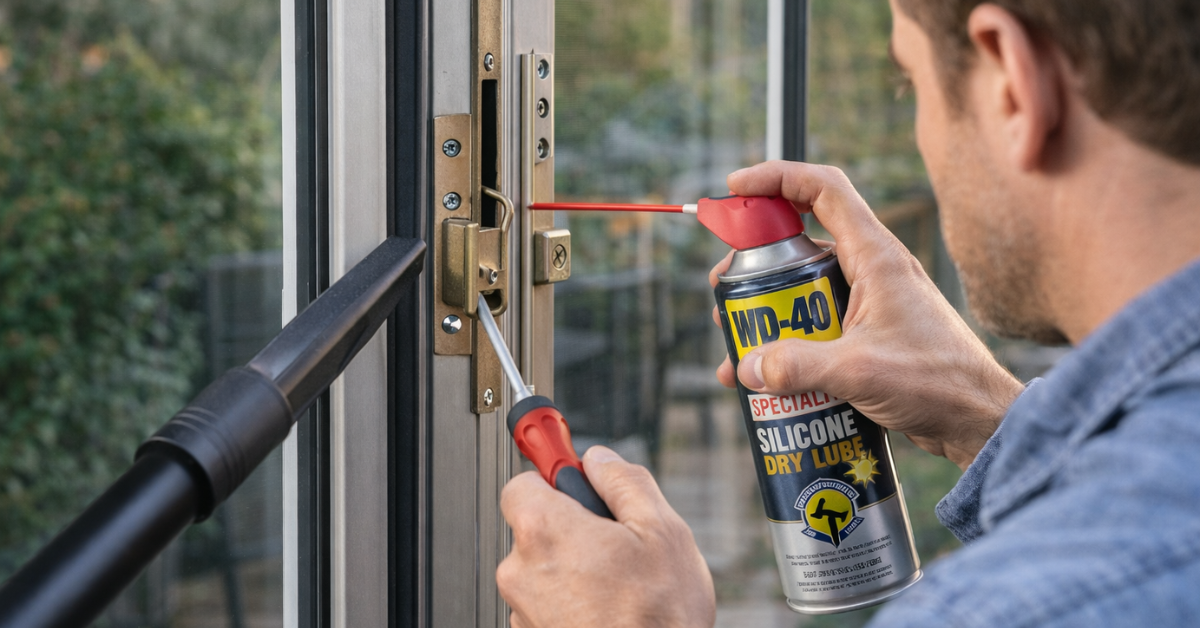
Is your sliding patio door lock failing to latch, feeling loose, or only locking when lifted? You’re not alone. Many homeowners, especially in areas like Coventry or the West Midlands, face similar problems due to misalignment, worn rollers, or a malfunctioning lock mechanism. Fortunately, these issues can often be fixed without the need for expensive replacements. In this guide, we’ll show you how to fix your sliding patio door lock mechanism in just 7 easy steps.
Whether you’re dealing with dirt buildup, a misaligned strike plate, or a jammed latch, we’ll walk you through the most common issues and how to resolve them with basic tools like a screwdriver, lubricant, and a tape measure. Plus, we’ll help you identify when it’s time to call a professional locksmith.
By the end of this post, you’ll be able to restore smooth locking action, enhance your home’s security, and avoid the hassle of lockouts or costly repairs.
Why Regular Maintenance is Important for Your Sliding Patio Door Lock
Sliding patio doors are one of the most popular entryways in many homes, especially in areas like Coventry and the West Midlands. While they provide ease of access and allow natural light to fill your space, they also come with a set of maintenance challenges. A well-maintained sliding door lock can protect your home, save you time, and prevent unexpected lock failures.
Enhance Security and Prevent Lockouts
Did you know that 1 in 5 homeowners in the UK experience lock-related issues at least once a year? Poor maintenance can easily lead to lockouts, especially when you rely on your sliding patio door lock every day. Regular maintenance not only ensures smooth operation but also prevents unauthorized access. By addressing small issues before they escalate, you can prevent the possibility of getting locked out or worse, inviting burglars.
When you maintain the locking mechanism, it stays fully functional and secure, allowing you to trust that your door is always locked tight. According to a report by This Old House, well-maintained locks can reduce the risk of break-ins by up to 50%.
Extend the Lifespan of Your Lock
Have you ever noticed how a poorly maintained sliding door lock starts to feel more “stiff” or “grindy” over time? This is due to the natural wear and tear caused by dirt buildup, misalignment, and lack of lubrication. Regularly cleaning and lubricating your sliding door lock mechanism can significantly extend its lifespan – saving you from the hassle and expense of premature replacements.
For example, homes in regions with extreme weather, like Coventry, may need to maintain their locks more often due to weather-related wear. A simple lubrication routine can add 2-3 years to the life of your sliding door lock, according to a study conducted by The National Locksmith Association.
Tip #1: Keep Your Track Clean and Free of Debris
Why Track Cleaning Matters
A clean track is essential for smooth sliding and proper locking of your patio door. Over time, dirt, grime, and debris can accumulate in the track, causing the rollers to struggle as they move along the surface. This can lead to misalignment and make the door harder to lock. The increased friction from debris can also lead to premature wear of the lock mechanism, causing it to fail more quickly.
Maintaining a clean track not only helps with smoother movement but also prevents dirt from entering the lock mechanism, which can lead to sticky latches and keyway issues.
How to Clean the Track
Cleaning the track of your sliding patio door is a quick and easy task that can be done regularly to ensure smooth operation. Here’s how:
- Vacuum the Track: Use a vacuum with a narrow nozzle attachment to remove any loose dirt, dust, and debris from the track. Make sure to get into the corners where dirt tends to accumulate.
- Wipe the Track: After vacuuming, use a damp cloth to wipe down the track. Ensure there’s no dirt left behind.
- Check for Obstructions: Inspect the track for any small debris or objects that might have gotten stuck inside, such as leaves, stones, or small twigs. These can obstruct the door from locking properly.
- Dry the Track: Use a dry cloth to wipe the track clean after damp cleaning. This prevents moisture buildup, which can cause rust.
Recommended Tools for Track Cleaning
To clean your sliding patio door track properly, here are the tools you’ll need:
- Soft brush: A small, soft brush helps remove dirt from the edges and corners without scratching the surface.
- Vacuum with nozzle: A vacuum with a narrow nozzle will help you reach into the track and remove any dust or debris.
- Damp cloth: A damp microfiber cloth works best for wiping down the track.
- Dry cloth: To ensure the track is completely dry after cleaning.
Tip #2: Lubricate Your Lock Mechanism Regularly
Best Lubricants for Sliding Patio Door Locks
Regular lubrication of your sliding patio door lock mechanism is crucial for keeping it functioning smoothly. The best types of lubricants for these locks are silicone spray or graphite powder. Both lubricants are dry and will not attract dust or dirt, unlike oil-based products.
- Silicone Spray: Ideal for general lubrication, silicone spray creates a protective coating that prevents rust and keeps moving parts functioning smoothly. It’s perfect for doors exposed to humidity or weather conditions.
- Graphite Powder: This is a great option for the internal mechanisms of your door lock, as it won’t gum up the components. Graphite powder works especially well in colder weather because it doesn’t freeze like oil-based lubricants.
How to Apply Lubricant Correctly
- Apply the Lubricant to the Lock Mechanism: Spray silicone spray or puff graphite powder into the lock’s keyhole, latch, and rollers. Apply a small amount to avoid excess lubricant dripping onto nearby surfaces.
- Work the Lock: Turn the key several times or operate the handle and latch several times to allow the lubricant to distribute evenly across all moving parts.
- Wipe Off Excess: Always wipe off any excess lubricant. This prevents it from attracting dirt and grime. A clean, dry cloth works best for this task.
- Test the Lock: After applying and wiping off the excess, test the lock by locking and unlocking it. The action should feel smoother and more responsive.
Tip #3: Adjust Rollers and Track Alignment
How Misaligned Rollers Affect the Locking Mechanism
Misaligned or worn rollers are one of the leading causes of a sliding door lock failure. When the rollers on your sliding patio door are out of alignment, the door may drop slightly, causing the latch to misalign with the strike plate. This can prevent the door from locking properly or make it difficult to lock and unlock smoothly. If you notice that the door locks only when lifted or pushed, the problem is likely due to misaligned rollers.
How to Adjust the Rollers
Adjusting the rollers is a simple task that can fix alignment problems and restore proper locking. Here’s how to do it:
- Locate the Roller Adjustment Screws: On most sliding patio doors, you will find adjustment screws near the bottom of the door. These screws allow you to raise or lower the door to align it correctly with the strike plate.
- Lift the Door: Use a flat screwdriver to adjust the screws. Turn them clockwise to raise the door and counterclockwise to lower it. Check the alignment regularly by testing the latch and strike plate.
- Test the Door: After adjusting the rollers, close the door and check if the latch engages smoothly with the strike plate. If the latch aligns properly, the door should lock without lifting or pushing.
- Recheck After a Few Days: Sometimes, adjustments may need to be fine-tuned after a few days of use. Recheck the alignment regularly to ensure the door remains level and the lock operates smoothly.
Tip #4: Tighten Handle and Lock Mechanism Screws
Why Loose Screws Can Cause Problems
Loose screws in the handle and lock mechanism can be a major culprit behind poor performance in sliding patio door locks. When screws become loose, they can cause the handle to wobble, leading to inconsistent latch operation and difficulty in locking and unlocking the door. This also places additional stress on the lock mechanism, potentially causing internal parts to wear down faster or malfunction. Tightening these screws ensures that the handle functions properly and the lock mechanism remains aligned, preventing further damage or costly repairs.
How to Tighten Handle Screws
Follow these simple steps to tighten the screws in your sliding patio door handle and lock mechanism:
- Locate the screws: Check the handle for screws on both the interior and exterior sides of the door. There may also be screws on the faceplate of the lock mechanism.
- Use the appropriate tool: Use a Phillips or flathead screwdriver, depending on the screw type. For screws hidden behind a cover, gently remove the cover to expose them.
- Tighten the screws: Turn the screwdriver clockwise to tighten the screws, but be careful not to overtighten, as this can strip the threads.
- Check for wobbling: After tightening, gently test the handle and lock mechanism for any movement. If the handle is still loose, check for additional screws that may need tightening.
Tip #5: Check and Re-align the Strike Plate
How a Misaligned Strike Plate Affects Locking
A misaligned strike plate is a common issue that can prevent your sliding patio door from locking properly. The strike plate is the metal plate on the door frame where the latch or hook bolt engages when the door is closed. Over time, the strike plate may shift due to wear and tear, door movement, or temperature changes, causing the latch to miss the strike plate or fail to engage properly. This misalignment can make the door difficult to lock and leave your home vulnerable to break-ins.
How to Adjust the Strike Plate
Follow these simple steps to adjust the strike plate and restore smooth locking functionality:
- Close the door: Close the sliding door gently without forcing it to ensure the latch meets the strike plate.
- Locate the strike plate screws: Find the screws holding the strike plate in place on the door frame. These screws are typically located around the latch area.
- Loosen the screws: Use a screwdriver to loosen the screws holding the strike plate in place. Do not remove them completely, just loosen enough to adjust the plate’s position.
- Realign the strike plate: Move the strike plate slightly to ensure the latch aligns with the opening. A good way to check is to mark the spot on the strike plate where the latch meets. Adjust the plate so that it fits perfectly with the latch.
- Tighten the screws: Once the strike plate is properly aligned, tighten the screws securely. Test the lock again by closing the door and locking it.
- Final adjustment: If the latch still doesn’t engage smoothly, repeat the alignment process, making small adjustments until the latch slides into the strike plate with ease.
Tip #6: Replace Worn or Damaged Parts
Recognizing When Parts Need Replacement
Over time, the internal parts of your sliding patio door lock can wear out or become damaged, leading to performance issues. Recognizing when parts need replacement is key to maintaining a functional and secure locking system. Here are the common signs that indicate it’s time to replace parts:
- Worn Rollers: If the door slides unevenly or drags on the track, it could be due to worn rollers. You might also notice that the door doesn’t lock properly when lifted or pushed, indicating that the rollers need replacing.
- Damaged Latch: A latch that doesn’t extend or retract fully, or that struggles to engage with the strike plate, may be worn out or damaged. If the latch feels stiff or doesn’t lock the door securely, it’s time for a replacement.
- Broken Mortise Lock: If the lock mechanism feels loose or doesn’t catch properly, the internal parts of the mortise lock may be damaged. A faulty mortise lock can prevent the door from locking properly and compromise your security.
- Loose Handle or Spindle: If the handle feels wobbly or doesn’t operate the lock smoothly, the internal mechanism, such as the spindle or cam, may be worn.
How to Replace Broken or Worn Lock Parts
Replacing broken or worn parts of your sliding patio door lock can be done with the following steps:
- Identify the Faulty Part: First, determine which part is causing the problem – whether it’s the rollers, latch, or mortise lock. Inspect the internal mechanism and test the functionality.
- Remove the Handle and Lock Mechanism: Use a screwdriver to remove the handle and access the lock mechanism. If you’re replacing the mortise lock, carefully remove it from the door edge.
- Order the Correct Replacement Parts: Take note of the measurements and specifications of the worn parts. Order the correct replacement parts from a trusted locksmith or hardware store.
- Install the New Parts: Install the new rollers, latch, or lock mechanism according to the manufacturer’s instructions. Ensure everything is aligned correctly before securing the screws and reassembling the door.
- Test the Lock: After replacing the parts, test the lock by opening and closing the door. Ensure the latch engages smoothly with the strike plate and that the door slides easily.
Replacing worn or damaged parts can restore smooth operation and ensure the continued security of your sliding patio door.
Tip #7: Consider Professional Maintenance for Complex Issues
When to Call a Professional Locksmith
While DIY maintenance can address common issues, there are times when it’s best to call a professional locksmith, especially for complex or internal mechanism problems. Here’s when you should consider professional help:
- Internal Mechanism Issues: If the lock is still malfunctioning after tightening screws, cleaning, and lubricating, the issue may be with the internal mechanism, such as worn gears or a broken mortise lock. A locksmith can disassemble the door mechanism and diagnose the problem accurately.
- Multi-Point Lock Systems: Sliding patio doors with multi-point locks can be more complicated to repair. These systems involve multiple locking points, and if one point malfunctions, it can affect the entire door’s functionality. Professional locksmiths are equipped with the knowledge and tools to repair multi-point locks effectively.
- Misaligned Doors or Frames: If your door frame has shifted or is misaligned, causing constant locking issues, a locksmith can realign the door and repair any related issues without causing damage to the frame or door.
- Complex Lock Mechanisms: If your door has an advanced locking system, such as a digital or smart lock, it’s best to leave repairs to a professional to ensure the system remains secure and fully functional.
A professional locksmith can ensure that all repairs are done correctly and efficiently, saving you time, effort, and the potential for further damage. If you’re facing complex issues or are unsure of the problem, don’t hesitate to call a professional locksmith for assistance.
Common Issues That Affect Sliding Patio Door Locks
Now that you understand why regular maintenance is crucial, let’s dive into the common issues that affect sliding patio door locks. Knowing these problems will help you identify them early and maintain your door lock before it causes significant issues.
Misalignment of Tracks and Latch
Misalignment is one of the most common issues people face with sliding patio doors. Over time, the door track can shift slightly, causing the latch to misalign with the strike plate. This misalignment can lead to:
- Difficulty locking or unlocking the door
- A lock that won’t engage properly
- Increased wear and tear on the latch
The good news is that realigning the track and latch is often a straightforward fix. All you need to do is check the alignment, adjust the strike plate, and make sure the rollers are sitting properly on the track. According to HomeAdvisor, fixing alignment issues can prevent 40-50% of all sliding door lock failures.
Dirty or Stiff Lock Mechanisms
Dirt, dust, and grime accumulate in the lock mechanism, making it harder for the latch to function smoothly. Not cleaning your sliding patio door lock regularly can lead to a buildup that makes the lock stiff or prone to failure.
A clean mechanism operates faster and with less friction. Research from The National Home Security Council suggests that 70% of sliding patio door lock failures can be attributed to dirt and debris buildup in the lock. Regular cleaning, especially in high-traffic areas or places prone to dust, can dramatically improve the lock’s performance.
Worn Rollers or Broken Parts
Worn rollers are another common issue that affects the locking mechanism of sliding patio doors. Rollers are responsible for supporting the door’s movement along the track. When they become worn or broken, the door might drop slightly, causing the latch to fail to engage with the strike plate.
Here are signs you might notice if your rollers are worn:
- Scraping or dragging sounds when opening or closing the door
- Difficulty locking or unlocking the door
- The door feels loose or misaligned
Replacing worn rollers is an affordable and effective solution to fix these issues. On average, replacing rollers costs £40-£80, depending on the type and number of rollers. If your door has uPVC or high-end aluminium tracks, check the rollers every 6-12 months to avoid further damage.
Final Thought:
Maintaining your sliding patio door lock doesn’t have to be a complicated or costly process. With these simple tips, such as cleaning the track, lubricating the lock, adjusting the rollers, and tightening screws, you can ensure that your door remains secure and functional for years to come. By regularly inspecting and addressing minor issues, you can avoid costly repairs and protect your home from potential security breaches.
However, if you encounter more complex issues or find that the door continues to have locking problems despite regular maintenance, it’s always a good idea to call in the professionals. Kingdom Locksmith offers expert sliding door lock repairs and can help with everything from simple adjustments to replacing faulty parts. With years of experience, the team at Kingdom Locksmith is dedicated to providing fast, reliable service to keep your home secure.
For any sliding patio door lock issues you can’t resolve on your own, reach out to Kingdom Locksmith for trusted and professional assistance. Don’t wait for a problem to escalate. Contact us today!
FAQ
Question: How often should I clean the track of my sliding patio door?
Answer: It’s recommended to clean the track of your sliding patio door once a month to prevent dirt, dust, and debris from affecting the locking mechanism. Regular cleaning will help the door glide smoothly and avoid potential locking issues.
Question: Why does my sliding door lock keep getting stuck or jammed?
Answer: A stuck or jammed sliding door lock is often caused by dirt buildup, misalignment of the track, or worn-out rollers. Regular lubrication and cleaning can prevent these problems. If the issue persists, check the rollers and strike plate alignment.
Question: Can I fix a sliding patio door lock myself, or do I need a professional locksmith?
Answer: Many sliding patio door lock issues, such as cleaning and lubricating, can be resolved by yourself with simple tools. However, if the lock is damaged or the mechanism is misaligned, it’s best to call a professional locksmith for a more reliable solution.
Question: What kind of lubricant should I use for my sliding patio door lock?
Answer: Use a dry lubricant, such as silicone spray or graphite powder, to prevent dust and dirt buildup. Apply a small amount to the latch, rollers, and keyhole, and always wipe away any excess lubricant to keep the mechanism functioning smoothly.
Question: When should I replace my sliding patio door lock?
Answer: If your sliding patio door lock is worn out, the latch doesn’t engage properly, or it’s causing security concerns despite regular maintenance, it’s time for a replacement. Professional locksmiths can help you select and install a new, high-quality lock to ensure your door is secure.