
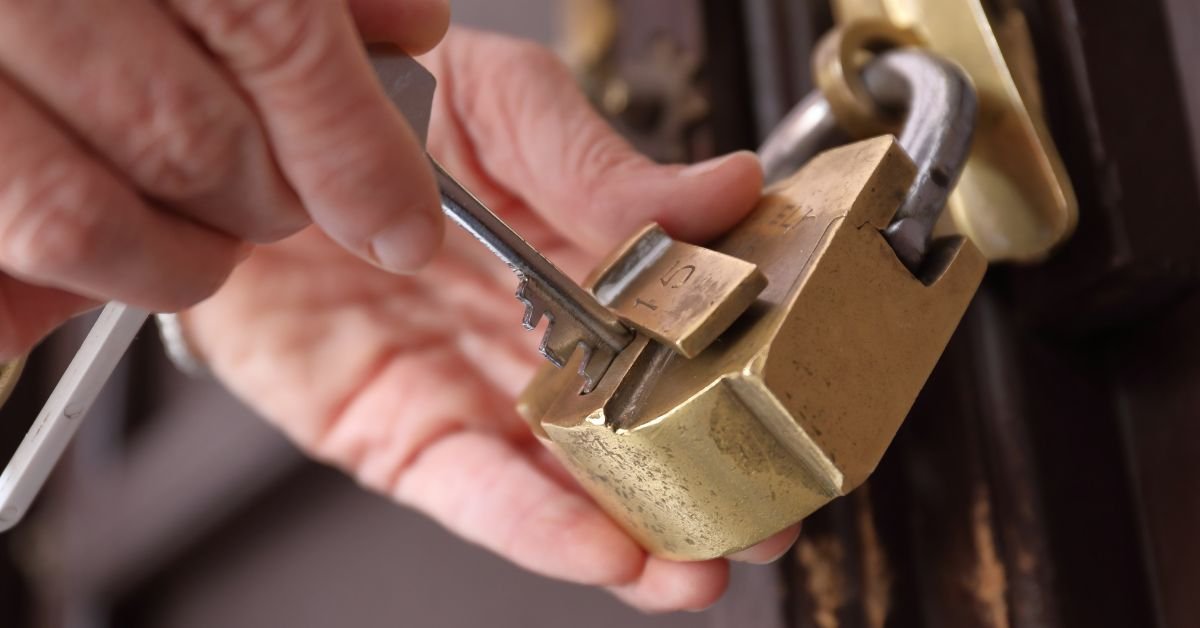
A key keeps getting stuck in lock when a worn cylinder, a worn key, or a build-up of dirt traps it every time. A one-off stick is dirt; recurring sticking points to wear that lubrication only masks. The lasting fix is replacing the cylinder or the key.
A key that sticks now and then is usually just dirt. A key that sticks every time is telling you something is worn. Chasing it with lubricant works for a week, then the problem returns. This guide explains the root causes of recurring sticking, the long-term fix, and when a worn cylinder needs replacing.
Why does my key keep getting stuck in the lock?
A key keeps getting stuck in lock when a worn part traps it on nearly every use. The common causes are a worn cylinder, a worn or badly copied key, dirt built up inside the keyway, a dry mechanism, or a dropped door that puts the cylinder under constant strain.
A lock cylinder is the barrel that reads the key and turns the bolt, using spring-loaded pins that must lift and drop cleanly. A key is the cut metal blade that lifts those pins. When either wears, the pins no longer meet the cuts precisely, so the key binds and sticks each time you use it.
The difference between a one-off and a recurring stick matters. A single stick is often dirt or a cold morning. Sticking every time means a part has worn past its tolerance and will keep catching until it is replaced.
What are the root causes of recurring sticking?
Recurring sticking comes from wear or a fault that never goes away, not from a passing problem. The main root causes are a worn cylinder, a worn or copied key, ingrained dirt, a bent key, and a dropped door straining the lock. Each one keeps trapping the key until you address it directly.
| Root cause | Why it keeps happening |
| Worn cylinder | Worn pins no longer match the key on every turn |
| Worn or copied key | A copy of a copy loses accuracy and binds |
| Ingrained dirt | Grit packed in the keyway grips the key repeatedly |
| Bent key | A slight bend catches the pins each time |
| Dropped or misaligned door | Constant pressure on the cylinder makes the key stick |
| Wrong lubricant used | Oily residue keeps attracting dust |
“When a key sticks every single time, we stop reaching for the lubricant and look at wear,” says a Kingdom Locksmith locksmith. “Nine times out of ten, it is a worn cylinder or a key that has been copied too many times. Lubricant hides it for a few days, then it comes back.”
When a key keeps getting stuck in lock, the issue usually returns because the underlying part is worn or misaligned, so the fix has to target the cause.
Is it the key or the lock?
You can tell the key from the lock in a minute. Try a different key, ideally the original rather than a copy. If a fresh key turns cleanly, the key is worn. If every key sticks, the cylinder is worn or the door is straining it.
Look at the key itself. Shiny, rounded cuts and a slight bend mean it has worn down or been copied too often. A key cut from another copy loses a little accuracy each generation, so it binds where the original would not.
Then look at the door. If the key only sticks when the door is shut, the door has dropped and is loading the cylinder. If a key keeps getting stuck in lock even with the door open, the cylinder itself is worn. Knowing which points you to the right long-term fix.
What is the long-term fix?
The long-term fix is to replace the worn part, not to keep lubricating around it. Cut a fresh key from the original for a worn key, or replace the cylinder for a worn lock. Realign a dropped door so it stops straining the mechanism. Lubricate with a dry product only as maintenance, not a cure.
Work through it in order:
- Cut a new key from the original, not from a copy, so the cuts are accurate.
- Clean the keyway with compressed air and a dry graphite or silicone lubricant.
- Replace the cylinder if a fresh key still sticks, because the pins are worn.
- Realign the door if it only sticks when shut, by adjusting the hinges and keeps.
- Maintain it with a dry lubricant twice a year, never wet oil.
Replacing a worn euro cylinder is quick and affordable, and it is a good moment to fit an anti-snap, TS007 3-star model for better security. A cylinder part costs from around £15 to £60, plus labour, and prices vary by lock and location. If a fresh key does not solve it, a cylinder replacement removes the worn part and stops the sticking for good.
When should you call a locksmith?
Call a locksmith if a fresh key still sticks, the key nearly jams each time, or you worry it will trap you outside. If a key keeps getting stuck in lock, it usually means a worn cylinder that will eventually seize, and forcing it risks a snapped key inside the lock.
A key that sticks every time is a lockout waiting to happen, so do not leave it. The Master Locksmiths Association recommends using an approved, vetted locksmith, who can replace the cylinder and cut accurate keys. Acting before the key snaps keeps the job small and cheap.
Frequently asked questions
Question: Why does my key stick every time I use it?
A worn part is trapping it on each turn, usually a worn cylinder or a worn, over-copied key. Try the original key. If it still sticks, the cylinder is worn and needs replacing.
Question: Will lubricant stop my key sticking?
Only briefly. A dry lubricant helps a dirty or dry lock, but it cannot fix a worn cylinder or key. If sticking returns within days, the part is worn and needs replacing, not more lubricant.
Question: Can a badly cut key cause sticking?
Yes. A key copied from another copy loses accuracy and binds against the pins. Cutting a fresh key from the original often solves recurring sticking.
Question: Why does my key only stick when the door is closed?
The door has dropped and is putting pressure on the cylinder. Adjusting the hinges and keeps to realign the door usually stops it.
Question: How much does it cost to replace a sticking cylinder?
A replacement cylinder part costs from around £15 to £60, plus labour. The total depends on the cylinder type, your location, and the time of day, so ask for a quote first.
Stopping your key sticking for good
A key that keeps getting stuck is worn, not just dirty, and no amount of lubricant fixes worn pins or a badly copied key. Sorting it early matters, because a key that sticks every time eventually snaps or seizes and leaves you locked out. The lasting fix is a fresh key cut from the original, or a new cylinder, plus a realigned door if it has dropped. At Kingdom Locksmith, we replace worn cylinders, cut accurate keys, and realign dropped doors for homes and businesses across the UK. Deal with a sticking key before it strands you outside. If a fresh key does not solve it, book a cylinder replacement and stop the sticking for good.