
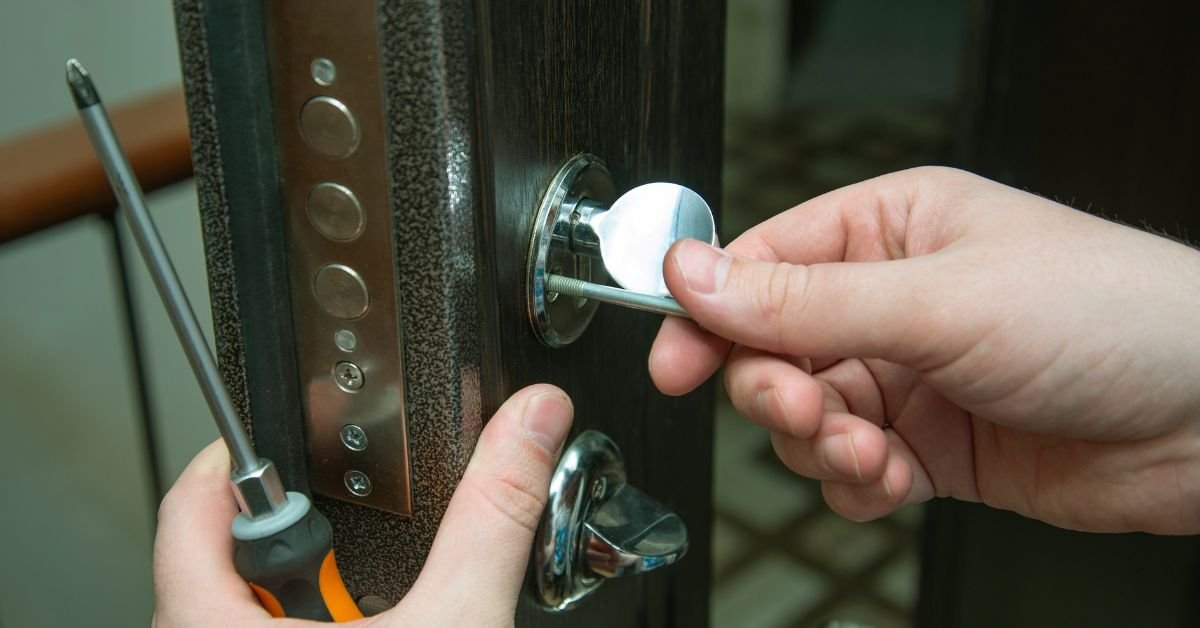
A lock grinding noise turning key means the internal parts are worn, dry, or full of grit, so the pins and cam scrape instead of moving cleanly. It is an early warning that the lock is heading for failure. Act on it before it seizes.
That crunching, grinding feel is not normal wear and tear you can ignore. It tells you the metal parts inside are rubbing where they should glide. The cause is nearly always wear, dryness, or corrosion, and the fix is straightforward if you catch it early. This guide explains what the grinding means and why repairing it now beats a lockout later.
What does a grinding noise in a lock mean?
A grinding or crunching noise means the moving parts inside the lock are scraping instead of turning smoothly. It points to worn pins, a dry mechanism, grit in the cylinder, or corrosion. The lock still works, but the noise is a warning that it is wearing towards failure.
A lock cylinder is the barrel that reads the key and turns the bolt, using small spring-loaded pins. When those pins, or the cam that drives the bolt, wear or dry out, they catch and grind against each other. If you hear a lock grinding noise turning key, grit and rust may be adding to the friction, so the turn feels rough and sounds harsh.
| Sound or feel | Likely cause |
| Gritty grinding as the key turns | Dirt and grit in the cylinder |
| Dry, scraping crunch | Lack of lubrication |
| Metallic grinding that worsens | Worn pins or cam |
| Rough turn on an outdoor lock | Corrosion inside the mechanism |
| Grinding from the handle, not the key | Worn follower or gearbox |
Matching the sound to the table shows whether a clean and lubricate will help or whether the lock is wearing out.
Why does my lock make a grinding noise when I turn the key?
Your lock grinds because friction has built up between parts that should move freely. The common causes are worn internal pins, a dry mechanism with no lubrication, grit packed into the keyway, corrosion on an exterior lock, or a worn key dragging against the pins.
Every turn of the key wears the pins a little. Over years, and without maintenance, they lose their smooth shape and start to catch. A dry cylinder makes it worse, because metal grinding on metal with no lubricant wears fast. Grit acts like sandpaper inside the lock.
A worn key adds to the problem. Its rounded, worn cuts drag across the pins instead of lifting them cleanly, which grinds and speeds up the wear. If you hear a lock grinding noise turning key, knowing the cause tells you whether cleaning helps or the parts are worn out.
Should you worry about a grinding lock?
Yes, a grinding lock is worth acting on, because the noise means the lock is wearing towards failure. It rarely fixes itself, and a worn cylinder can seize or snap a key without much warning, often leaving you locked out at the worst moment.
The grinding is the early stage. Left alone, the pins or cam wear further until the key sticks, then jams, then fails. A lock grinding noise turning key can mean the cylinder may seize within weeks or months, usually as you force a stiff key, which snaps it inside.
“On the tools, grinding is the sound we treat as a countdown,” says a Kingdom Locksmith Ltd. “The lock still turns, so people ignore it. Then it seizes on a cold morning and they are locked out. Sorting it while it still works is always cheaper.”
Acting on the noise early keeps the repair small and avoids a lockout.
How do you fix a grinding lock, and when should you repair it?
You can sometimes quieten a grinding lock by cleaning and lubricating it, but worn parts need replacing. Clear the keyway with compressed air, apply a dry graphite or silicone lubricant, and try a fresh key. If the lock grinding noise turning key continues, the pins or cam are worn and the cylinder needs replacing.
Try these steps first:
- Clean the keyway with a burst of compressed air to clear grit.
- Apply a dry graphite or silicone (PTFE) lubricant, never wet oil, which attracts more dirt.
- Work the key gently to spread the lubricant.
- Try a fresh key cut from the original, in case a worn key is grinding.
- Replace the cylinder if the grinding stays after cleaning, because the parts are worn.
A worn cylinder is quick and affordable to replace, and it is a good moment to fit an anti-snap, TS007 3-star model for better security. A cylinder part costs from around £15 to £60, plus labour, and prices vary by lock and location. If cleaning does not stop the grinding, a local locksmith can replace the worn part before it fails; you can find lock repair near me for a same-day fix.
Frequently asked questions
Is a grinding lock dangerous?
It is a warning, not an immediate danger, but it means the lock is wearing towards failure. A grinding cylinder can seize or snap a key without much notice, so it is best repaired before it fails.
Can I fix a grinding lock with lubricant?
Lubricant helps if the grinding is from dryness or grit. Use a dry graphite or silicone spray, not oil. If the grinding returns quickly, the pins or cam are worn and the cylinder needs replacing.
Why does my lock grind only in cold weather?
Cold thickens any old oil inside and can cause slight contraction, so a worn lock grinds more. A dry lubricant helps, but persistent grinding still points to worn parts.
Will a grinding lock eventually stop working?
Usually, yes. The noise is early wear, and left alone the lock stiffens, then jams, then seizes. Replacing the worn cylinder early avoids a lockout.
How much does it cost to fix a grinding lock?
Cleaning and lubrication is cheap or free to do yourself. A replacement cylinder part costs from around £15 to £60, plus labour, and the total varies by lock type and location.
Silencing a grinding lock before it fails
A lock grinding noise turning key is early wear, and cleaning and lubrication quieten some cases while worn pins or a worn cam need a new cylinder. Acting on the sound now matters, because a grinding lock is on a countdown to seizing and can leave you locked out when you can least afford it. At Kingdom Locksmith, we diagnose noisy locks, replace worn cylinders, and fit secure, insurance-approved locks for homes and businesses across the UK, often on the first visit. Treat the grinding as your warning. If the noise will not stop, find lock repair near me and have the worn part replaced before it fails.