What Happens When You Call an Emergency Locksmith in Derby?

Emergency locksmith call-outs in Derby cover lockouts, broken locks, failed uPVC doors and the aftermath of a break-in. Plenty of people find themselves locked out with no idea what calling an emergency locksmith actually involves, and that uncertainty makes a stressful situation worse.
An emergency locksmith is a trained professional who deals with urgent lock and door problems: lockouts, snapped keys, failed mechanisms and post-burglary repairs.
Knowing what to expect, from the first phone call through to the final invoice, helps you ask the right questions during a stressful situation.
For contact and service information, see Kingdom Locksmith and the emergency locksmith services in Derby page. Confirm current availability and the exact work required before booking.
This guide walks through the usual stages of an emergency call-out in Derby so you can compare a provider’s process before making a booking.
Step 1: The Phone Call: What to Expect from the Moment You Dial
The first call should establish the location, the nature of the fault and enough information for a realistic estimate.
Be ready to give your postcode, describe the problem and identify the door or lock type if possible. Ask how the provider handles changes between the initial description and the on-site assessment.
The short answer: discuss the likely work and pricing basis before anyone travels.
The on-site assessment may reveal something different from the phone description. Any change in scope or price should be explained and agreed before work begins.
What Information Should You Have Ready Before You Call?
You do not need to know the brand of your lock or the age of your door, but three things speed the process up.
First, have your postcode ready so availability can be checked. Second, describe the problem as clearly as possible: a lockout, a snapped key, a mechanism that will not engage or a door that will not close. Third, describe the premises and door because these details can affect the tools and approach required.
The remaining details can be assessed at the door, but ask how any change would affect the quote before work starts.
Will You Get a Price Before Anyone Arrives?
Ask for that before you agree to anything. A reputable locksmith will set out how the figure is made up and what could change it. If specialist parts need to be ordered in, you should be told as soon as that is clear rather than after the engineer arrives. And if the job turns out to be different from what was described, nothing should be touched until you have agreed the change.
Step 2: How Long Will You Wait for an Emergency Locksmith in Derby?
When you are standing outside your own front door at 11pm in January, every minute drags, so an honest answer matters more than a bold one.
We arrive within 30 minutes. If delayed, we call to update you.
The Emergency Locksmith Derby page provides contact details. Confirm the expected arrival time when booking and allow for traffic, distance and current demand.
What Does an Emergency Locksmith Carry in the Van?
A locksmith may carry non-destructive entry tools and commonly used components, but no vehicle can hold a part for every lock. Describe the door accurately and ask whether a return visit or ordered part could be needed.
Useful equipment depends on the fault and may include picking tools, extractors, measuring tools and lock-specific hardware. Compatibility should be checked rather than assumed from a brand name alone.
Step 3: The Assessment: What the Locksmith Does Before They Start
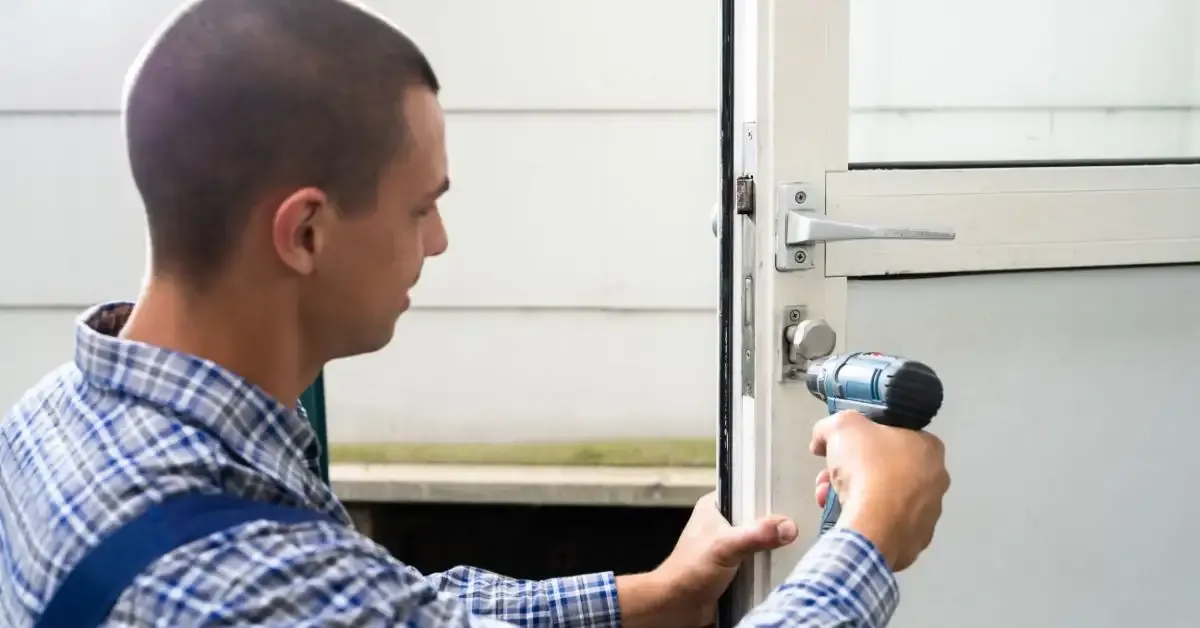
The engineer does not start picking the lock the moment they arrive. There is a short process, usually two or three minutes.
First, they look at the door and lock type. Then they identify the fault: a worn cylinder, a failed multipoint mechanism, a key snapped inside the barrel, or something else. Finally, they confirm the quote with you face to face before touching anything.
This matters because the approach depends entirely on the situation. A lockout where the lock is still in good condition is handled very differently from a door where the lock has been forced or the mechanism has seized.
What Is Non-Destructive Entry and When Is It Used?
Non-destructive entry is exactly what it sounds like. The locksmith gets you back inside without drilling the lock, damaging the frame, or leaving the door in worse condition than they found it.
Techniques include lock picking, cylinder manipulation and decoding, and they work on the vast majority of standard residential locks. When non-destructive entry is possible, it is always the first option: it is kinder to the door, cheaper for you, and it leaves the existing lock intact.
Drilling is reserved for locks that are already damaged, mechanisms that have completely failed, or lock types where non-destructive entry is impractical. If drilling is needed, you are told before it happens and given the cost of the replacement lock first.
Step 4: The Work: Getting You Back In (and Keeping You Safe)
Three scenarios make up most emergency call-outs in Derby, and each follows a clear process.
A lockout with a working lock: the engineer opens the door using non-destructive techniques, hands the keys back, checks the lock still operates correctly, and the job is done. Most straightforward lockouts involve somewhere between 15 and 45 minutes of work once the engineer is at the door.
A broken or failed lock: the locksmith should diagnose whether the cylinder or mechanism can be repaired or needs replacing, explain the proposed hardware and test the door after fitting. The Lock Replacement Services page outlines common replacement categories.
A post break-in repair: the locksmith assesses the lock, door and frame, then explains the temporary or permanent options. Parts availability and the extent of structural damage determine what can be completed during that visit.
What If Your uPVC Door or Mechanism Has Failed?
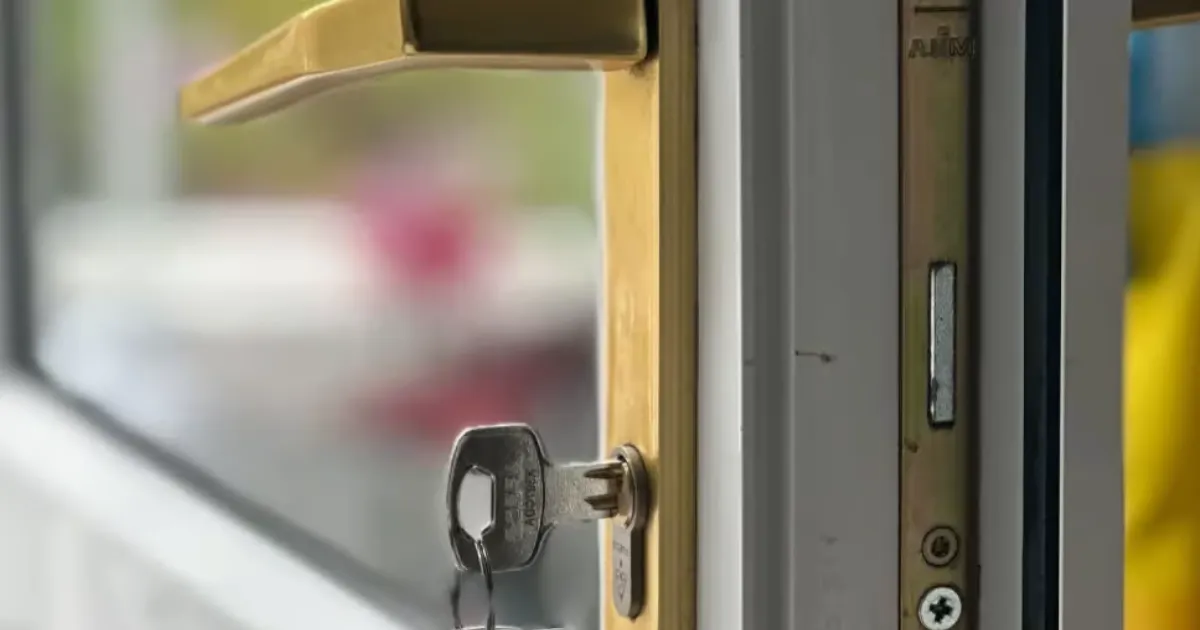
uPVC doors are the most common door type in Derby homes built after 1990, and they fail in predictable ways. The multipoint locking mechanism (the long strip of bolts and hooks running the length of the door) seizes over time. The gearbox inside the handle wears out. The door drops out of alignment and puts stress on the lock.
None of these are quick DIY fixes, but none of them are complicated for an experienced engineer either.
The uPVC Door Repairs page explains mechanism replacement, gearbox repair, alignment and cylinder work. Ask which option fits the diagnosed fault.
What Happens After a Break-In?
A burglary leaves a door compromised, and an unsecured property is not a safe one to sleep in.
After a break-in, the locksmith should assess the damage and explain which locks, temporary measures or structural repairs are appropriate. Whether a permanent repair can be completed immediately depends on the damage and compatible parts.
The aim is to leave the property no less secure after the agreed work, but ask exactly what the proposed repair will and will not address.
Step 5: Payment: What You Pay and How
Ask for the accepted payment terms before booking and request an invoice that matches the work agreed. Query any charge that was not discussed.
Before the locksmith leaves, test the door and ask what to do if a fault returns. Any warranty or follow-up arrangement should be confirmed in writing rather than assumed.
Whoever you use, keep the invoice and ask how they handle aftercare if a fault returns. A reputable locksmith will answer that plainly rather than dodging the question.
How to Compare Emergency Locksmiths in Derby
Check any locksmith serving Derby for DBS information, written pricing, recent reviews and relevant trade standards such as those described by the UK Locksmith Association.
Any change to the agreed job or price should be discussed before additional work proceeds.
The catch is that most people only start looking for a good locksmith after they need one. Save the number of a company you have checked out before that moment arrives.
Conclusion
Being locked out, or dealing with a broken lock in the middle of the night, is a situation nobody plans for. Knowing the process removes most of the panic: a short call, an engineer at the door, and the work explained before it starts.
Do not wait until you are standing outside at midnight searching for someone to trust.
Kingdom Locksmith and the Emergency Locksmith Derby page provide contact information. Ask about current availability, the likely process and pricing before booking.
A completed repair should be tested with the door open and closed, and any remaining limitation should be explained rather than assumed away.
Frequently Asked Questions
How long does an emergency locksmith take to arrive in Derby?
It depends on location, traffic and current demand. Ask for a realistic estimate when booking and check again if the expected time passes.
Will the locksmith damage my door to get me back in?
Not if it can be avoided. Non-destructive entry is always the first approach, which means picking or manipulating the lock rather than drilling it. That works on the vast majority of standard residential locks. Drilling is only used when the lock has already failed or been damaged, and if it is needed you are told before it begins.
How much does an emergency locksmith cost in Derby?
Costs vary with the job type, the time of the call-out and any parts needed. Ask how the figure is made up and what could change it before you agree to the work.
Do emergency locksmiths work at night and on weekends?
Out-of-hours availability differs between providers and by current demand. Call to ask whether the particular job can be attended and what timing estimate applies.
What should I do while I wait for the locksmith to arrive?
Stay somewhere safe and warm while waiting. If possible, wait with a neighbour or in a secure vehicle. Avoid forcing a door or window, and keep your phone available in case the locksmith needs directions.