How to Choose a Smart Lock for a Derby Home

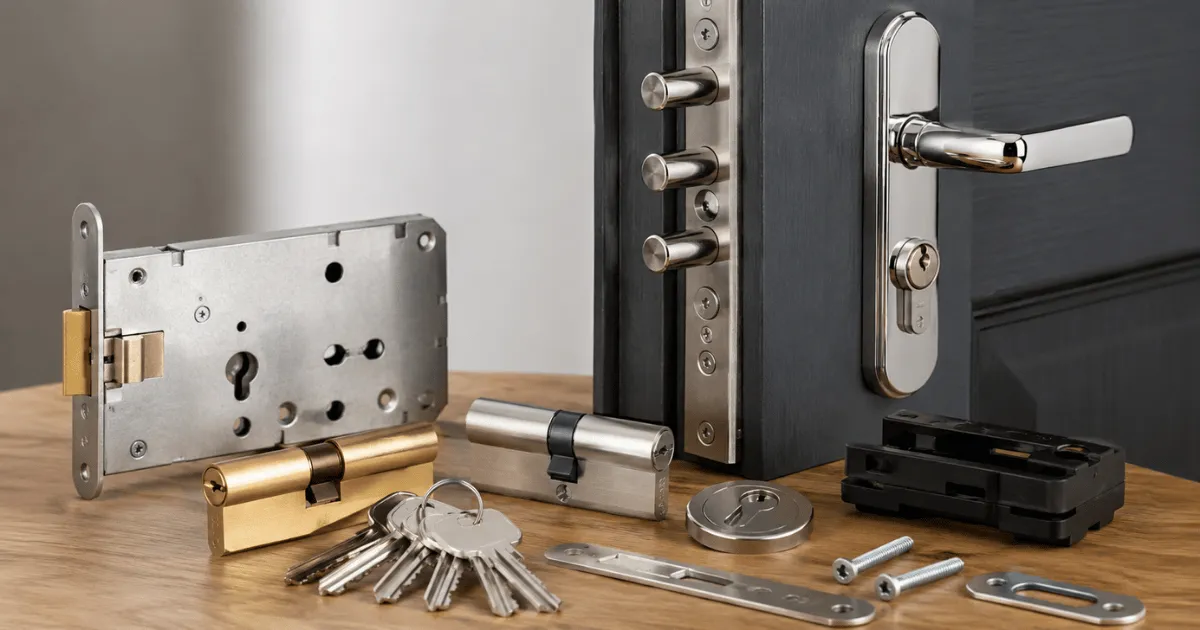
A smart lock may make day-to-day access more convenient, but the right choice starts with the door rather than a feature list. UK homes use many different mortice locks, night latches, euro cylinders and multipoint mechanisms. A product that fits one door may be unsuitable for another, even when both doors look similar.
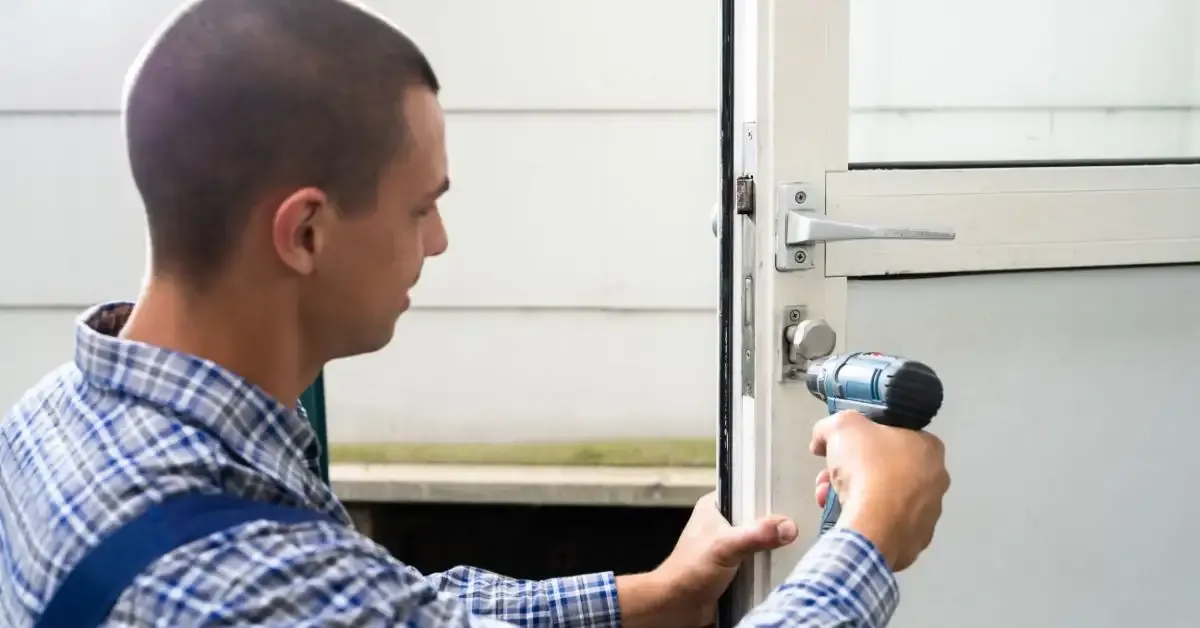
Before buying, identify the exact lock, cylinder, handle arrangement and doorset. Then use the current manufacturer compatibility checker or written installation instructions. A suitably competent installer can also assess whether an option is practical. The smart-lock installation guide explains the type of professional assessment to request.
Start with the complete door
Many uPVC and composite doors use a multipoint strip. Some require the handle to be lifted before the key can deadlock the mechanism. A motor fitted over an internal thumbturn does not necessarily lift the handle or operate every part of that sequence. Compatibility can depend on the centre case, cylinder profile, cam, available clearance, torque and whether the selected cylinder permits the required operation.
Timber doors can have very different lock cases and backsets. Communal entrance doors, fire doors and controlled doors may also have escape, access-control or certification requirements that rule out an ordinary domestic retrofit. Do not drill, alter or replace hardware until those requirements have been checked.
If the existing door is stiff, dropped or difficult to lock, address that fault first. A smart actuator should not be used to mask alignment or mechanism problems. The uPVC door repair page describes common areas that may need assessment.
Compare exact products, not broad categories
Features vary by model, generation, accessory and subscription. For each product on your shortlist, verify:
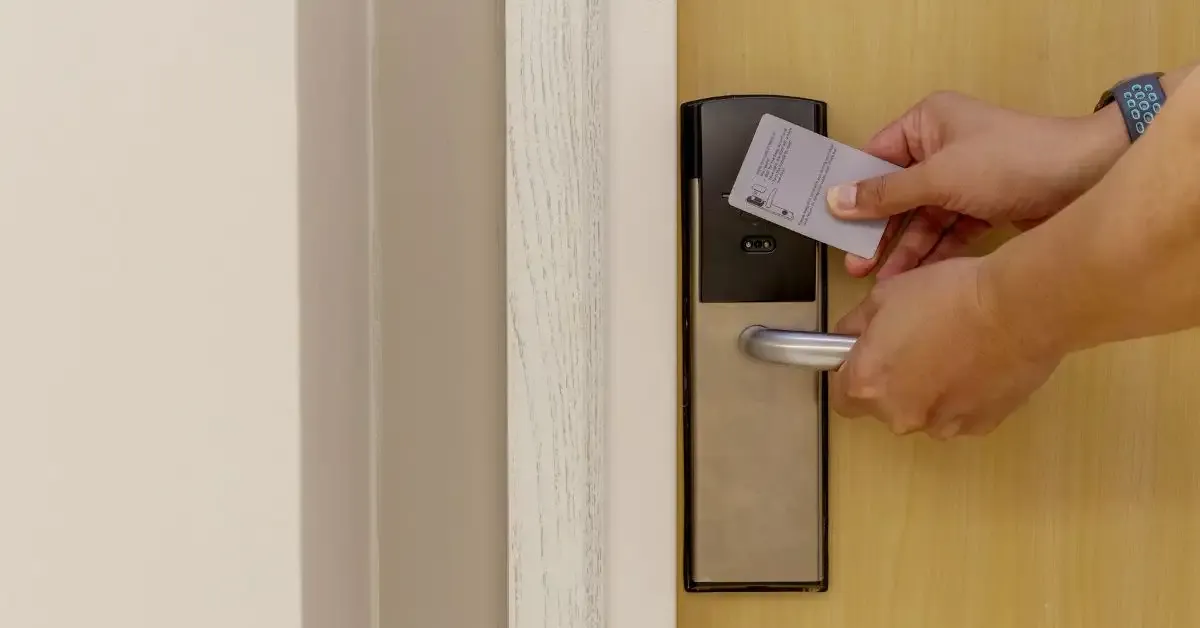
- which credential methods work locally, such as keypad, phone, fob or physical key;
- whether remote control needs a bridge, hub, internet connection or paid service;
- what remains available if the internet, cloud service or household power fails;
- the battery type, warning method and documented emergency-access procedure;
- who can issue, revoke and review credentials;
- the supported phone platforms and expected software-update period;
- the product's installation and environmental limits.
Do not assume that every smart lock records reliable entry and exit events. A system may record commands or credential use without proving who passed through the door. Likewise, an auto-lock setting does not confirm that a multipoint door is properly engaged. Read the exact manual and test the installed configuration.
Assess physical and digital security separately
Smart operation does not by itself make a door more resistant to forced entry. Check which component or complete configuration has been tested, what certification applies, and whether protective handles, escutcheons or cylinders are required. Compare that information with the existing doorset rather than relying on terms such as “high security”. The high-security locks overview provides useful questions for a wider door assessment.
For digital security, look for current documentation covering authentication, account recovery, updates, vulnerability reporting, data retention and the manufacturer's support lifecycle. Encryption wording alone is not enough to judge the system. Protect the associated email and smart-home accounts with unique passwords and multi-factor authentication where the service supports it.
Check permission, insurance and escape needs
Ask your insurer what the policy requires for the exact external door and proposed hardware; never assume a smart product is “insurance approved” for every policy. Tenants should obtain the landlord's permission before altering a lock. Leaseholders may also need freeholder or managing-agent approval.
For a fire door, escape route, licensed property or communal door, seek competent advice on the requirements that apply to that building and use. Anyone inside should be able to follow the required escape procedure without depending on a phone, cloud connection or knowledge held only by one resident. Keep accessibility needs in mind for children, older occupants, carers and visitors.
Plan installation and handover
Ask the installer to explain what will be changed, what physical fallback remains, and how the door will be tested. After installation, check operation from both sides under normal conditions and using each documented fallback. Store emergency instructions securely, remove former users, and review permissions when residents or carers change.
Battery replacement and maintenance must follow the exact maker's instructions; there is no universal interval or lubricant suitable for every product. Keep the model, serial details, receipts and current support information where an authorised person can find them.
A compatible smart lock may be available after the door, building and household requirements are assessed. To discuss the exact door and confirm current availability in Derby, contact Kingdom Locksmith. An assessment should come before any purchase or alteration.