


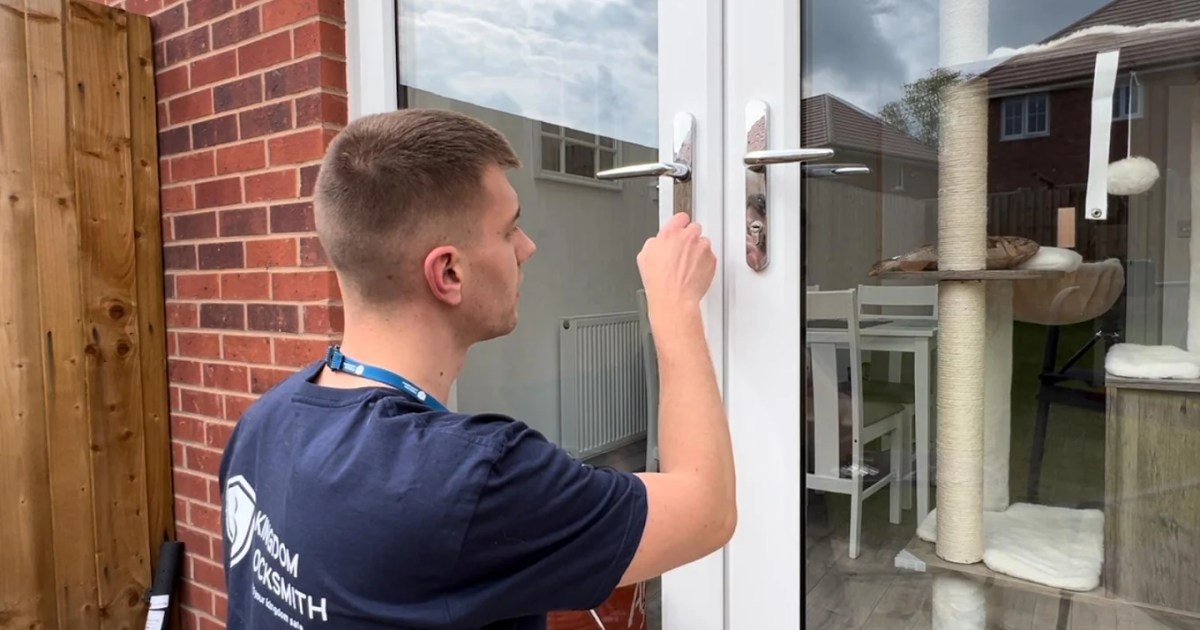
When you call a locksmith to change your locks, you might wonder what you’re actually paying for. Here is how a locksmith changes locks.
Your locksmith will inspect your door and existing lock. Then carefully remove the old hardware and install the new lock with precise alignment. They’ll test it thoroughly, checking the key turn and bolt movement. Everything must work perfectly before they leave.
But why should you hire a professional locksmith?
You might be wondered to change the locks yourself. But it offers far more advantages. There are no chances for stripped screws, misaligned bolts, or locks that jam after a week. A professional spots issues you’d miss. Like door frame problems or security vulnerabilities.
At Kingdom Locksmith, we’ve protected UK homes and businesses for over a decade. Available 24/7 with no call-out charges, our DBS-checked professionals deliver fast, affordable service backed by our 100% satisfaction guarantee.
What Tools Do Locksmiths Use to Change Locks?
When changing a lock, a locksmith relies on a variety of specialized tools to ensure a precise and secure installation. Here are the essential tools they use:
| Tool | Purpose |
| Screwdrivers | To remove screws from the lock and door hardware. |
| Drill | Used to enlarge or adjust holes when installing a new lock or deadbolt. |
| Key Cutter | To cut new keys or create duplicates from the lock code. |
| Pinning Kit | To rekey locks or change the internal pins for a new key configuration. |
| Lock Pick Set | For opening a lock when the key is lost, using the least destructive method. |
| Torque Wrench | Helps apply precise pressure when working with delicate lock mechanisms. |
| Lubricant | To lubricate locks and prevent sticking or jamming over time. |
| Plug Spinner | Used to reverse a lock’s internal components if it’s stuck during rekeying. |
| Cylinder Removal Tool | To safely remove and replace lock cylinders without damaging the lock. |
| Smart Lock Tools | Special tools for installing and wiring smart locks with electronic features. |
How Does a Locksmith Change a Lock? Step-by-Step Process
Step 1: Inspect and Assess the Door & Lock Setup
Before diving into the job, a professional locksmith first takes a close look at your door and existing lock. If your door is slightly off-center or misaligned, it could cause problems with the new lock. You might not notice these small issues, but they can prevent the new lock from working properly. The locksmith will correct these issues so that your new lock fits snugly and functions perfectly.
Step 2: Remove the Existing Lock Safely and Accurately
Next, the locksmith carefully removes the old lock. They’ll take their time to unscrew each part of the lock, starting from the knob, then the inner mechanisms, and finally the strike plate. Sometimes locks get stuck due to dirt or corrosion.
A pro locksmith uses specialized tools and lubricants to get everything out without causing any damage to your door. It’s a delicate process. If you rush this step, you could end up damaging the door, and no one wants that.
Step 3: Prepare the Door for the New Lock
Now comes the preparation stage. When you buy a new lock, it might not fit perfectly in the spot where the old one was. If it’s a different size or style, the locksmith might need to re-drill the hole or adjust the shape to ensure the new lock fits perfectly.
Whether you’re upgrading to a high-security model or going for a smart lock, the locksmith will adjust the door to accommodate these new features. This step is crucial because improper fitting can lead to security issues down the line. The locksmith makes sure that every detail is just right, so the lock works flawlessly.
Step 4: Install the New Lock with Careful Precision
Once the door is ready, the locksmith installs the new lock. They start by placing the mechanism into the door, making sure everything aligns with the frame. If it’s a deadbolt, they’ll ensure it slides smoothly, and if it’s a smart lock, they’ll wire it up and ensure it connects to your system properly.
Each screw is tightened carefully. Tightening too much can warp the lock or make it hard to turn, while too little won’t secure the lock properly. This is the part where a locksmith’s precision really counts.
Step 5: Test the Lock’s Operation and Adjustments
Now, it’s time for testing. The locksmith will turn the key to make sure it’s smooth and doesn’t stick. They’ll check if the deadbolt extends and retracts without hesitation. The last thing you want is a lock that jams when you try to use it.
They’ll also check the alignment with the strike plate. If the lock doesn’t fit into the plate properly, it won’t secure the door. If anything feels off, they’ll tweak the lock or reposition the plate until it works perfectly. For smart locks, this step involves making sure the app connects properly and that all the remote features are working.
Step 6: Final Checks and User Instructions
Once everything’s in place, the locksmith runs a final check. They’ll test the lock one last time to ensure there are no issues with operation. This includes making sure it closes securely and that there are no gaps around the door.
Then, the locksmith will show you how to maintain the lock. They might also give instructions on how to reprogram the lock, especially if it’s a smart lock with personalized settings. You’ll leave knowing that your door is not only secure, but you also have the knowledge to keep it that way.
When to Consider Hiring a Professional Locksmith to Change a Door Lock
1. Moving into a New Home or Office
When you move into a new place, you have no idea who might still have copies of the old keys. A locksmith can rekey or replace the locks, making sure only you have access, giving you the security you need right from the start.
2. Lost or Stolen Keys
Lost or stolen keys are a serious security risk. Even if you think the keys are just misplaced, someone could be holding onto them. A locksmith can rekey or replace the locks to ensure your property stays secure and you’re not at risk.
3. Old or Worn-Out Locks
Locks wear down over time. If your lock feels hard to turn or isn’t working as it should, it’s time for a replacement. A locksmith can assess your locks and replace or upgrade them, making sure you have a secure, reliable system.
4. After a Break-In or Attempted Break-In
If your lock has been tampered with, it’s vital to replace it. A locksmith will help you restore security, assess the damage, and install stronger locks to prevent future break-ins.
5. Upgrading to Higher-Security Systems
Upgrading to a high-security or smart lock system is a smart move if you want to boost your property’s protection. A locksmith can install advanced systems, ensuring they’re properly integrated and ready to provide top-notch security.
6. If the Lock Mechanism Is Jammed or Broken Beyond Repair
A lock that’s jammed or broken isn’t something you should force. A locksmith can assess the damage and replace the lock, ensuring it’s properly installed and functional without causing further issues.
What to Expect When a Locksmith Changes Your Locks?
When a professional locksmith changes your locks, you can expect a detailed, secure process designed to enhance safety and convenience. Here’s what to expect:
1. Comprehensive Security Evaluation
A skilled locksmith will evaluate the security needs of your property, checking for any vulnerabilities in your current lock system. This includes inspecting the door frame, alignment, and lock quality. Professional locksmiths often recommend upgrading to high-security locks or smart locks for enhanced protection.
2. Expert Lock Installation
After selecting the best lock for your needs, the locksmith will install it with precision. Whether it’s a deadbolt, smart lock, or keyless entry system, expect a secure and flawless installation. Top locksmiths use high-quality security systems that meet industry standards for residential and commercial properties.
3. Thorough Lock Testing & Adjustment
Once installed, the locksmith will test the lock’s functionality, ensuring smooth key operation and bolt extension. They will adjust the strike plate or lubricate if necessary to ensure durability and prevent future issues, improving both performance and security.
4. Professional Maintenance Guidance
Finally, expect clear lock maintenance tips to extend the lifespan of your lock. Professional locksmiths will advise on proper lubrication, periodic rekeying, and how to prevent wear and tear. This adds value to your security investment and helps maintain long-term reliability.
Advantages of Hiring a Professional Locksmith to Change Your Door Lock
Hiring a professional locksmithensures the job is done right and enhances your security. Here’s why it’s worth the investment:
1. Expertise and Experience
A professional locksmith brings years of experience to the table, ensuring precise installation and security assessments. They can quickly identify potential vulnerabilities and recommend the best solutions, from deadbolts to smart locks.
2. Time and Cost Efficiency
While DIY attempts can lead to errors and damage, a locksmith finishes the job quickly and correctlythe first time. You avoid the hassle of redoing work, which could be more expensive in the long run. Professionals also have access to quality locksat better rates than retail stores.
3. Access to High-Security Options
Locksmiths have access to high-security locks not typically available at home improvement stores. Whether you need a smart lock, keyless entry system, or high-security deadbolt, they can recommend and install locks that provide better protection and peace of mind.
4. Guaranteed Quality and Warranty
When a locksmith installs your new lock, it often comes with a warranty. This covers repairs or adjustments if something goes wrong, ensuring long-term reliability and value. Their professional service also provides better security compared to DIY installations that might fail over time.
How Much Does a Professional Locksmith Charge to Change a Lock?
A professional locksmith typically charges between $50 to $150 to change a lock, depending on the type and complexity.
The cost varies based on your specific needs. High-security locks or smart locks cost more due to their specialized installation and programming. If you require emergency service or need a locksmith outside of regular hours, expect additional charges. Multiple locks or services like rekeying will also increase the total price. Be sure to discuss your needs upfront for a clear understanding of costs.
How Long Does It Take for a Locksmith to Change a Lock?
A locksmith typically takes 20 to 30 minutes to change a lock, depending on the type and complexity.
Several factors affect the time required. Standard locks are quicker to replace, while smart locks or high-security systems may take longer due to extra setup, programming, or calibration. If adjustments to the door frame or strike plate are needed, this will add to the time. Changing multiple locks or handling damaged locks can also extend the process. Always discuss the specifics with the locksmith to get a better understanding of the time involved for your particular situation.
How to Choose the Right Lock for Your Next Door Lock Job?
Choosing the right lock is crucial for both security and convenience. Here’s how to make an informed decision:
1. Assess Your Security Needs
First, consider the level of security your property requires. High-traffic areas or commercial spaces may need high-security locks like Mul-T-Lock or Medeco, known for their resistance to picking and bumping. For residential properties, smart locks or deadbolts may suffice for enhanced security.
2. Consider the Door Type & Location
Not all locks fit every door. Solid wood doors benefit from deadbolt locks for extra security, while glass doors might need a specialized lock and handle system. For outdoor use, choose weather-resistant locks that are rustproof, like those made of stainless steel or brass.
3. Determine Lock Type (Key vs. Keyless)
Decide between traditional keyed locks or modern keyless entry systems. Keyless locks offer the convenience of remote access and are great for tech-savvy homeowners or businesses. On the other hand, keyed locks remain reliable for those seeking simplicity and traditional security.
4. Evaluate Lock Security Features
Look for additional security features like anti-drill, anti-pick, or smart features such as remote locking and biometric scanning. Higher-end locks offer multi-point locking systems for added protection, especially on entry doors or sliding doors.
5. Budget and Brand Reliability
While it’s tempting to go for the cheapest option, investing in a reputable lock brand like Schlage or Yale ensures long-term durability and better security. Keep your budget in mind but balance cost with security benefits to get the best value.
In Closing
Changing locks is a crucial step in maintaining security, whether you’re moving into a new property, upgrading your system, or addressing a security concern. By hiring a professional locksmith, you ensure the job is done correctly, with the right tools, expertise, and attention to detail.
For fast, reliable, and expert locksmith services, trust Kingdom Locksmith. Available 24/7, we offer emergency services with no call-out charges and a 100% satisfaction guarantee. Contact us today to secure your property!
Frequently Asked Questions
What Types of Locks Can a Locksmith Change?
Locksmiths can change a wide variety of locks, including deadbolts, knob locks, mortise locks, and electronic or smart locks. Whether you’re upgrading security with a high-tech system or replacing a traditional lock, a professional locksmith has the tools and expertise to handle any type of lock, ensuring the best fit for your door and security needs.
How Often Should I Change My Locks?
It’s a good idea to change your locks every few years, especially if they’re showing signs of wear. You should also replace them if you’ve lost your keys, experienced a break-in, or moved into a new property. Regular lock changes help maintain the security of your home or business.
Can a Locksmith Open a Lock Without a Key?
Yes, a professional locksmith can pick, bypass, or rekey most locks without a key. They use specialized tools and techniques to safely unlock doors without causing damage. This is especially helpful in emergency situations like lockouts or lost keys, where you need quick access without compromising security.