How to Change a Door Lock: A Practical UK Guide

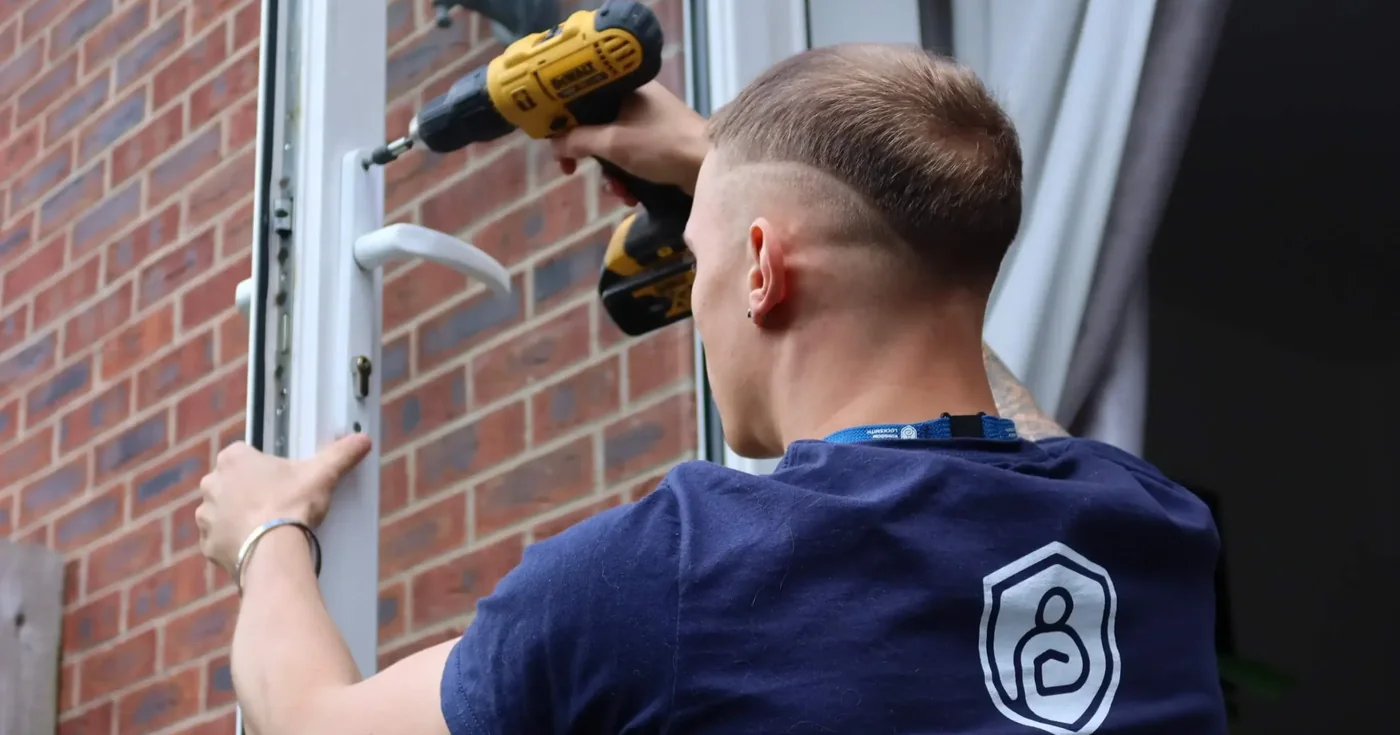
A properly fitted lock is your first line of defence against intruders. Learning how to change a door lock puts you in control of your property's security, and it is a job most competent DIYers can manage with the right tools and a bit of patience.
Here is the short version:
Remove the existing lockset by unscrewing the interior and exterior components, measure the lock hole so the new lock fits correctly, align and secure the new lock with its screws, then test it to make sure it operates smoothly and locks securely.
Kingdom Locksmith fits and replaces locks for homes and businesses across the UK. Availability varies by area, so call to confirm cover where you are.
Tools You Will Need to Change a Door Lock
If you are weighing up the cost of changing the locks on a door, remember to factor in the tools. Here is what you will need for an efficient lock replacement:
- Screwdriver set
- Tape measure
- Spirit level
- Drill
- Router (for adjusting the lock recess)
- Hammer
- Lock installation kit
- Graphite lubricant
- Broken key extractor
- Torque screwdriver
How to Change a Door Lock, Step by Step
Upgrading an old lock or swapping out a faulty one takes some care and precision, but the process itself is straightforward. Work through the steps below in order.
Step 1: Choose the Right Lock
Before buying a replacement, look at the door itself (timber, metal or composite) and think about the level of security you need.
- For homes, a deadlock or sashlock tested to British Standard BS 3621 is a sensible baseline, and a good smart lock can add convenience on top.
- For commercial doors, consider high-security cylinders from brands such as Medeco or Mul-T-Lock.
Check that the new lockset matches the existing hole dimensions so you do not have to modify the door.
Step 2: Remove the Old Lock
Unscrew the lockset with a Phillips screwdriver. If a screw is stuck, a little penetrating oil will loosen rust or old fixings. Detach the interior and exterior components carefully, noting where each screw came from so reinstallation is painless.
Remember to remove the strike plate from the frame as well, keeping the surface intact so the new plate can seat securely.
Step 3: Prepare the Door
With the old lock out, check the door and frame alignment. Misalignment is the most common reason a new lock plays up. If needed, use a router or drill to adjust the lock hole.
Clean out any debris so the new deadbolt or keyless unit fits snugly. For mortice locks, check the pocket is cut to the correct depth so everything lines up.
Step 4: Fit the New Lock
Insert the latch mechanism and check it is properly seated. For smart locks and keypad systems, follow the manufacturer's instructions for wiring or battery installation.
Tighten all the screws firmly but without over-tightening, which can damage the lock. Fit the strike plate to the frame, lining it up with the latch and deadbolt.
Step 5: Test the Lock
With everything secured, check the deadbolt and latch operation. Insert the key and test that the bolt extends and retracts smoothly.
If the lock resists, adjust the strike plate or the door alignment. For keyless and smart locks, check the Wi-Fi or Bluetooth pairing works and the lock responds to remote commands.
Step 6: Finish the Job
Give every screw a final check and confirm the lock is firmly fastened, using a torque screwdriver for precision so you do not strip anything. Look for door gaps or misalignment that could undermine security.
Clean up around the lock, then run through a final security test to confirm everything works as it should.
Replacing a Dual Key Deadbolt Lock
Dual key deadbolts need a key to lock and unlock the door from both the inside and the outside. They are chosen for extra security in higher-risk settings, often on commercial doors. Because the door cannot be opened from inside without a key, think carefully about emergency escape before fitting one.
How to change one:
- Unscrew the interior and exterior components, and clear away any rust or debris before the new lock goes in.
- Check the depth and width of the lock hole. If the new cylinder does not fit, open the hole out carefully with a drill bit or bore.
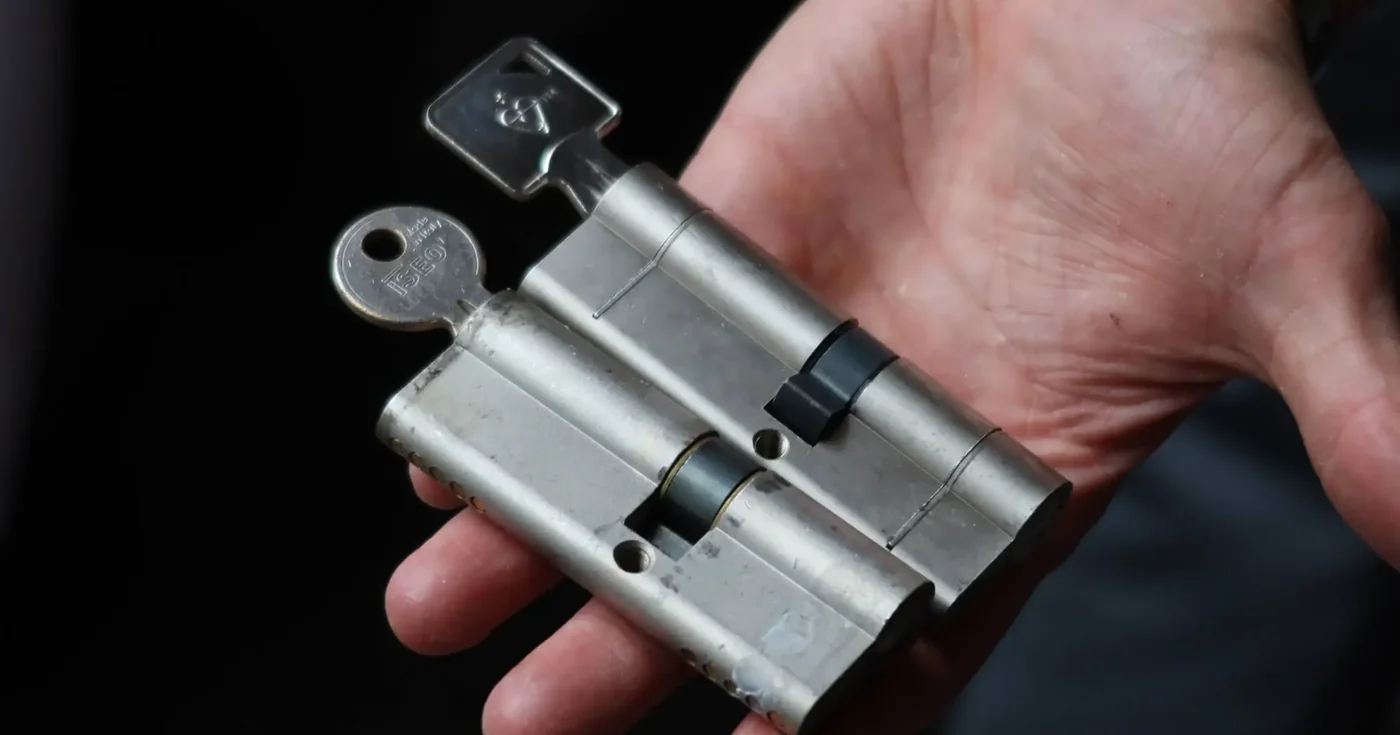
- Insert the cylinder, making sure it seats properly and the tailpiece lines up with the bolt mechanism.
- Secure the interior and exterior parts by tightening the mounting screws, stopping short of over-tightening.
- Align the strike plate with the bolt throw and test the deadbolt for any misalignment.
- Insert the key and check the deadbolt moves freely, adjusting the strike plate or cylinder if you feel resistance.
Replacing Keyless Entry Locks (Keypad Locks)
Keyless entry locks give you secure, convenient access without a traditional key. A numeric code entered on the keypad unlocks the door, which suits homes, offices and busy entrances. They are common in residential security, commercial buildings and smart home systems, removing the risk of lost keys while improving access control.
How to change one:
- Unscrew the interior and exterior components, and disconnect any wiring or battery connections.
- Check the mounting holes line up and the door frame is sound, using a spirit level to confirm alignment.
- Mount the new lockset, making sure any electrical connections are securely attached.
- Attach the interior and exterior parts, tightening the screws without over-tightening.
- Program a new access code on the keypad and sync the lock with any connected smart home or access control system.
- Enter the code to check the lock responds and the door opens and closes smoothly, adjusting the settings if needed.
Replacing Smart Locks
Smart locks integrate with Wi-Fi, Bluetooth or a wider smart home system, giving you remote control through a smartphone, voice assistant or key fob. They offer keyless entry, temporary access codes and activity tracking, which makes them popular for home automation and office security alike.
How to change one:
- Unscrew the interior and exterior components, and disconnect any wires or power source.
- Check the existing holes line up with the new lock's mounting system, and adjust if needed.
- Mount the new lock, connect the power source (battery or wired) and line up the latch and bolt.
- Sync the lock with your smartphone app, Wi-Fi network or smart home system.
- Tighten the screws on both the interior and exterior components without over-tightening.
- Check the lock works remotely through the app or a voice assistant, test the auto-locking, and adjust the settings as needed.
Replacing Mortice Locks
Mortice locks are fitted into a pocket (the mortice) cut into the edge of the door, which makes them strong and resistant to tampering. They are common on timber doors in the UK, in both older homes and commercial buildings, and many include a deadbolt for added security. Fitted well, they are a durable, long-lasting choice.
How to change one:
- Unscrew the interior and exterior parts of the lock, then carefully slide the lockset out of the mortice pocket.
- Inspect the pocket for debris or damage. Clean it out and check it is deep and wide enough for the new lock.
- Insert the new lockset into the pocket, lining up the deadbolt, latch and handles with the cutouts and the frame.
- Tighten the screws so the lock sits flush with the door edge and all the components stay aligned.
- Align the strike plate with the deadbolt and latch, and screw it firmly to the door frame.
- Test the lock, deadbolt and latch, and adjust the strike plate or the pocket if anything binds.
Replacing Rim Locks
Rim locks are surface-mounted locks, often seen on older doors or fitted as an extra layer of security on exterior doors. Because they sit on the face of the door rather than inside its edge, they are easier to fit and replace than a mortice lock. Most pair a latch with a deadbolt and suit both homes and commercial buildings.
How to change one:
- Unscrew the lock from the face of the door and carefully detach the interior and exterior components.
- Clean the mounting area and check for damage, making sure the surface is smooth for the new lock.
- Position the new lock on the door face, line up the latch and bolt with the frame, and mark the screw holes.
- Drill pilot holes and screw the new lock down securely, checking it sits flush and operates smoothly.
- Align the keep with the latch and deadbolt, fix it to the frame, and tighten the screws fully.
- Operate the latch and deadbolt to check everything runs smoothly, adjusting the alignment if needed.
Common Problems When Replacing Front Door Locks
Replacing a front door lock is a popular DIY job, but plenty of people hit a snag along the way. Here are the most common problems and the simple fixes for each.
Misaligned Door or Strike Plate
If the lock does not engage cleanly, a misaligned strike plate is the usual suspect. Adjust the plate or file the recess so the bolt seats fully and the door locks smoothly.
Sticky or Jammed Lock Mechanism
Trouble turning the key often comes down to dirt or debris inside the mechanism. Apply graphite lubricant and cycle the key a few times to clear the blockage and restore smooth operation.
Key Breaks Inside the Lock Cylinder
If a key snaps in the lock, use needle-nose pliers or a broken key extractor to remove the fragments, then clean the lock out thoroughly before inserting a new key.
Lock Cylinder Spins Instead of Engaging
A cylinder that spins without throwing the deadbolt usually means loose set screws. Tighten them securely so the lock engages properly every time you turn the key.
Deadbolt Won't Fully Extend
Misalignment is the usual cause here. Tighten the door hinges to correct any sag, or adjust the strike plate or deadbolt pocket until the bolt throws fully.
Loose Locks or Handles After Installation
A new lock that feels loose usually was not screwed down properly. Swap in longer screws and tighten them firmly, stopping short of over-tightening to avoid damage.
Key Won't Turn Easily
Internal friction is the likely culprit. Lubricate the lock with graphite powder and check the alignment. If the problem persists, the cylinder may need rekeying by a professional.
Door Won't Close Properly After the Lock Change
If the door no longer closes cleanly after the swap, adjust the hinges and reposition the strike plate until the door shuts smoothly and securely.
Key Considerations for a Smooth Door Lock Installation
- Make sure the lock meets your security needs, favouring British Standard deadlocks, smart locks or high-security cylinders that resist tampering and picking.
- Use a spirit level to check the door and strike plate are properly aligned. Even slight misalignment can make the lock bind or wear out early.
- If the existing hole is too tight or off-centre, use a mortice chisel or router to adjust the pocket so the bolt moves without friction.
- Tighten screws to the correct torque with a torque screwdriver. Over-tightening can strip the threads or warp the lock housing.
- Test the bolt for full extension and retraction after fitting, and adjust the deadbolt mechanism if it does not throw fully.
- Check the strike plate lines up with the bolt and sits flush against the door frame, using a shim or file to correct small gaps.
- Apply graphite lubricant inside the keyway and to the bolt to reduce friction.
Replacing vs Rekeying Your Locks: Which Is Right for You?
Replace your locks if they are outdated or damaged, or if you want a step up in security such as a smart lock. Rekey them if keys have been lost, there has been a break-in, or you want to restrict access without swapping the whole lock. The comparison below should help you decide.
| Criteria | Replacing the Lock | Rekeying the Lock |
|---|---|---|
| When to choose | Lock is damaged or outdated, or you want better security features. | Keys are lost, or you want to restrict access without a full swap. |
| Cost | Higher, as a new lock and fitting are needed. | Lower, as only the cylinder pins are changed. |
| Security | Strongest option, as the whole mechanism is renewed. | Moderate, as the key changes but the mechanism does not. |
| Time required | Longer, as fitting and setup take a while. | Quicker, often under half an hour. |
| Customisation | Full choice of new hardware, including smart locks. | Limited to new pins and key access. |
| Effectiveness | Old keys stop working and worn parts are gone. | Old keys stop working, but the lock itself is unchanged. |
| Long-term use | A lasting upgrade for stronger security. | A short-term way to control key access. |
| Emergency situations | Best if the lock is compromised, such as after a break-in. | Sensible when keys are lost or stolen but the lock is intact. |
DIY Lock Installation vs Professional Help
When choosing between fitting a lock yourself and hiring a professional locksmith, weigh up time, cost and skill. Doing it yourself saves money but demands precision, while a professional brings the tools and judgement to get it right first time.
Choose DIY Installation When:
- You have basic tools and know how to use them.
- The lock is a simple type, such as a knob lock or standard deadbolt.
- You can follow the instructions carefully and want the job done without waiting.
- You want to save on fitting costs.
- The door and frame are in good condition and need no major adjustment.
Choose Professional Help When:
- The lock is complex, such as a smart lock or a high-security system.
- The property is commercial or in a higher-risk location.
- You have hit problems such as door or frame misalignment.
- You want certainty that the lock is fitted and aligned correctly.
- You are locked out, or your security has been compromised and the door needs securing.
To Conclude
Changing a door lock is a manageable job that makes a real difference to your property's security. Take your time over the measuring and alignment, test everything before you call it finished, and stop and reassess if the door or frame is fighting you.
If you would rather leave it to someone else, Kingdom Locksmith fits and replaces locks for homes and businesses across the UK, from a straightforward domestic lock change to commercial installations. We talk you through the options before any work starts, and availability varies by area, so call to confirm cover where you are.
Frequently Asked Questions
How do I know if my lock is high security?
High-security locks include features such as anti-pick pins, hardened steel components and multi-point locking. In the UK, look for the BS 3621 kitemark on deadlocks and sashlocks. Brands such as Medeco and Mul-T-Lock build locks to recognised high-security standards such as UL 437.
Can I install a smart lock on any door?
Smart locks fit most doors, but check the backset and door thickness against the manufacturer's specification first. Popular brands such as August, Schlage and Yale offer models to suit a range of door types.
Should I choose a keyed or keyless lock for my home?
Keyed locks are reliable and secure, while keyless options such as keypad and smart locks add convenience and remote control. Keyless systems suit busy households and anyone who wants to stop carrying keys altogether.
How do I maintain my door lock for optimal security?
Lubricate the lock regularly with graphite powder to prevent jamming, keep the strike plate aligned and the screws tight. Consider rekeying or replacing a lock whenever keys have been out of your control or the mechanism starts to wear.
How do I change a door lock without a key?
Start by removing the screws on the interior side of the lock, and use a flathead screwdriver to prise the components apart if necessary. You can then replace the lock, or rekey it if you need a new key. If the lock is jammed or will not come off, call a professional locksmith.