When to Change Door Locks: 10 Practical Signs

Changing a door lock is sometimes necessary, but not every fault calls for a complete new lock. Depending on the hardware, the answer may be adjustment, repair, rekeying, a cylinder change, or replacement of the complete lock assembly. A competent inspection should consider the entire doorset, not just the keyhole.
Here are ten practical signs that it is time to assess your locks.
1. You have moved into a property
You may not know how many keys exist or who still has one. Ask the seller, landlord, or managing agent about the access history, then decide whether to change relevant cylinders or locks. In rented or managed property, obtain permission where required and make sure fire-escape and communal-door arrangements are not altered improperly.
2. A key was stolen or can be linked to your address
If a key was taken with a bag, document, or device identifying the property, treat it as an access-control risk. A prompt cylinder change or rekey may be suitable where the lock supports it. If a lost key cannot be linked to the property, assess the circumstances rather than assuming replacement is always essential.
3. Someone should no longer have access
After a household, staff, tenant, contractor, or carer change, account for every key and credential. If keys cannot be recovered reliably, changing the relevant lock or cylinder can restore control. For electronic systems, remove credentials and review administrator access as well as physical override keys.
4. The lock has been attacked or damaged
Scraping, deformation, loose protective hardware, forced-entry marks, or a damaged cylinder warrants inspection. Replace components that are compromised. Authorised picking by a locksmith does not itself mean a sound lock must be changed, but any resulting damage or continuing access risk should be addressed.
5. The key or handle is becoming difficult to use
Stiffness, intermittent turning, a loose handle, or a latch that does not return can indicate wear, contamination, poor alignment, or a fault elsewhere in the mechanism. Do not force it. A door lock repair assessment can distinguish a serviceable fault from hardware that should be replaced.
6. The door only locks when lifted, pushed, or pulled hard
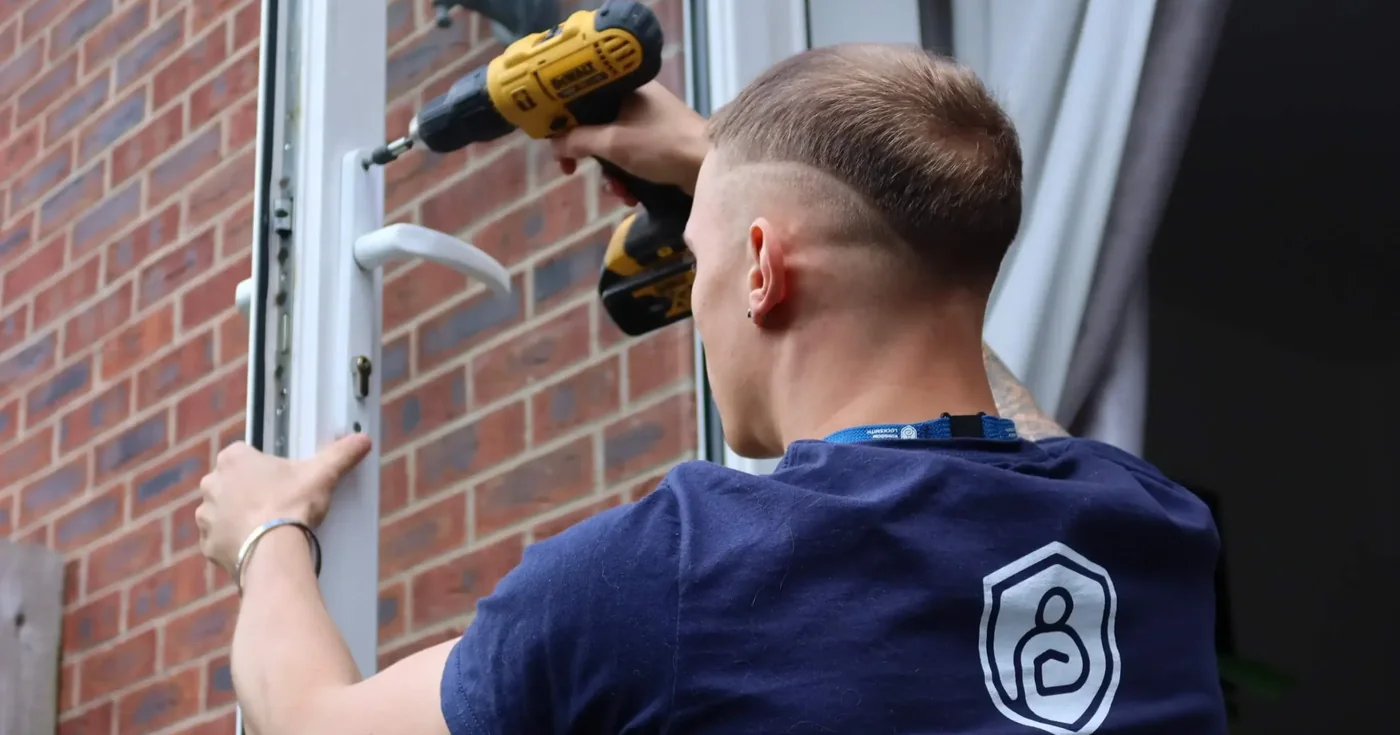
That symptom often points to alignment or load on the mechanism, although it is not a diagnosis. Replacing the cylinder alone may not solve it. Hinges, keeps, handles, the locking strip, and the centre case may all need checking, particularly on a uPVC door.
7. The cylinder or lock is loose, projects too far, or fits poorly
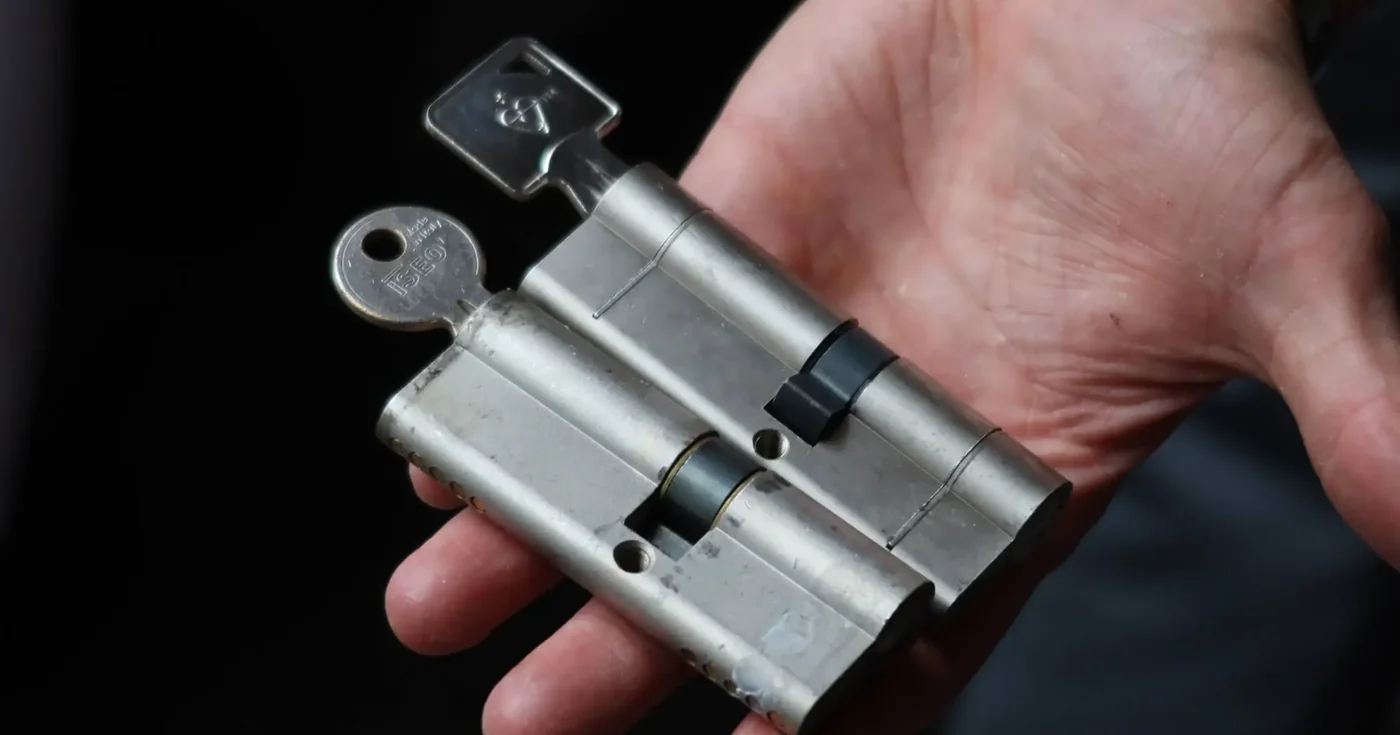
Loose fixing, excessive cylinder projection, incompatible protective hardware, or an incorrectly measured component can affect operation and attack resistance. Cylinder length controls fit and projection; it should not be selected using a guessed relationship with the gearbox. Correct measurement and compatibility matter.
8. The existing security specification is unclear
Age alone does not decide whether a lock is suitable. Look for exact product markings and documentation, then compare them with the door type, current insurer requirements, and the intended use. BS 3621 may be relevant to certain key-operated thief-resistant locks. TS 007 is a security-rating scheme covering lock cylinders and door hardware configurations. The applicable choice depends on the doorset.
9. Your insurer or risk assessment requires a different arrangement
Read your own policy rather than relying on generic claims about “insurance-approved” locks. Requirements can differ by property, door, occupancy, and policy. Ask the insurer to clarify ambiguous wording in writing, then have an installer identify a compatible product with the required certification.
10. Your access needs have changed
You may need controlled key duplication, a thumbturn arrangement for safe egress, or an electronic access option. Smart features do not inherently improve physical resistance. Check exact door compatibility, independent certification, mechanical fallback, battery and network behaviour, update support, and insurer requirements before choosing a system.
Repair, cylinder change, or full replacement?
A cylinder change can restore key control and may provide a meaningful security upgrade when the cylinder and protective hardware form an appropriate rated configuration. A whole-lock replacement may be needed when the lock case, multipoint strip, or other core hardware is damaged, obsolete, or incompatible. Adjustment may be sufficient when the problem is alignment rather than the lock itself.
Ask for the options to be itemised separately. The estimate should identify labour, parts, VAT, attendance charges, and any work that depends on further inspection or parts availability. Avoid promises that every job can be completed during one visit.
You can read more about lock replacement options and high-security lock considerations. To discuss a specific door, use the contact page and confirm current scope, availability, and estimate details before booking.