Locksmith Services After a Break-In

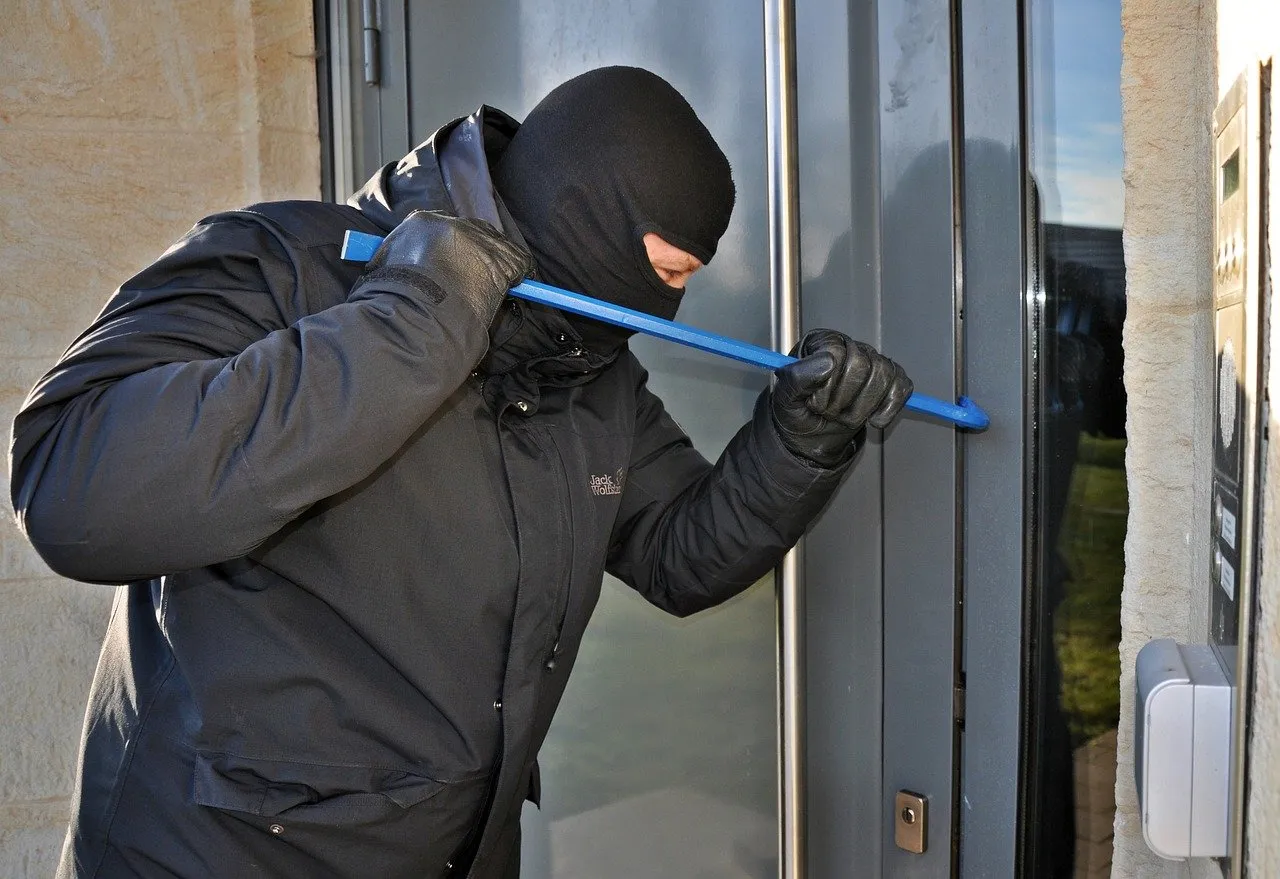
After discovering a break-in, personal safety and police guidance come before repairs. Do not enter if an intruder may still be present or if the building appears unsafe. Move to a safe place and contact the emergency services when there is immediate danger. Otherwise, report the incident through the appropriate police channel and follow instructions about entering or touching the scene.
A locksmith can later assess locks, cylinders, handles, keeps and related door hardware. That role is only one part of recovery: broken glazing, structural damage, alarms and electrical access systems may need suitably competent specialists.
Preserve the scene before arranging work
Police may need the door, lock, tool marks or surrounding area left undisturbed. Ask when security work can begin and photograph damage only where it is safe and permitted. Do not test keys repeatedly, clean marks or remove broken hardware unless police advise that immediate securing takes priority.
Contact your insurer early if you may make a claim. Follow the policy’s reporting and evidence requirements rather than assuming a particular repair or lock standard will be accepted. Keep the incident reference, photographs, written assessments and documents relating to authorised work. Policy terms differ, so questions about reimbursement or required suppliers belong with the insurer.
What a locksmith can assess
A burglary repair service may examine the security hardware affected by entry or attempted entry. Depending on the door and damage, assessment can include:
- the cylinder, lock case or multipoint mechanism;
- handles, escutcheons and other protective hardware;
- keeps and strike plates;
- localised damage around lock fixings;
- whether keys or credentials now present an access risk; and
- whether temporary lock-related securing is feasible.
Inspection should determine what is actually compromised. Hardware does not automatically need replacement merely because it was reachable. Equally, a lock that still operates may have hidden damage or may no longer control access if keys were taken. The locksmith should explain the evidence, compatible options and limitations.
For repairable lock damage, door lock repair may be relevant. Where replacement is proposed, the lock replacement service gives broader context. Exact suitability depends on the lock, door, frame and any applicable doorset requirements.
Securing the property
The immediate objective is to reduce unauthorised access without obscuring evidence or creating another hazard. The suitable measure might involve lock-related adjustment, replacement of a compromised component or temporary securing, subject to the damage found. A badly split door, displaced frame or broken glazed panel may fall outside locksmith work. Ask whether a glazier, boarding provider, joiner, door installer or builder is required.
Do not assume that adding a stronger lock will compensate for a seriously damaged door or frame. Security depends on the assembly: door leaf, frame, fixings, hinges, locking points and protective hardware. A competent specialist for the affected element should assess structural or glazing damage. Fire doors and communal exits also require attention to their specific certification, escape and building-management requirements.
When keys or credentials may be compromised
If keys were stolen, photographed or taken with information linking them to the address, discuss restoring access control. The appropriate option may be a cylinder change, rekeying where the exact product supports it, or replacement of another component. Do not use the terms interchangeably: many UK doors can have a cylinder changed without replacing the complete mechanism, while some locks are not practically rekeyable.
For smart or electronic systems, credential changes depend on the exact model, administrator access and manufacturer process. A suitably competent installer may need to revoke users, change codes or reset components. Follow current product documentation and preserve any logs requested by police. Safe locks and alarm systems should be referred to specialists competent in those exact systems.
Reviewing security after the immediate response
Once police and insurer requirements permit, review the point of entry and other obvious vulnerabilities. The aim is not to buy every possible upgrade. Ask which weakness was exploited, which proposed measure addresses it and whether the whole doorset remains suitable.
Possible discussions include protective hardware around a compatible cylinder, improved keeps or fixings where the door permits, and replacement of confirmed damaged parts. Relevant certification depends on the component and doorset; check product evidence and your own policy rather than relying on a broad security label. Alarm, lighting, glazing film or building work should be discussed with the appropriate specialist.
Avoid unsafe DIY work
Do not force a distorted door closed, operate a damaged multipoint handle repeatedly or place an unapproved product into the lock. Do not dismantle hardware that police may treat as evidence. Manufacturer instructions differ by component. If you cannot identify the system or are unsure whether the door is structurally safe, stop and obtain professional advice.
Preparing for a locksmith assessment
Share the address, door material, whether the property can be secured, visible damage and police instructions. Ask the locksmith to separate urgent lock-related measures from later options and to provide an itemised estimate after assessment. Be clear if glazing or structural work is also needed so responsibilities are not confused.
Kingdom Locksmith can be contacted through the neutral contact page to discuss whether assessment of the affected lock and door hardware is available. Confirm the exact scope for the property; do not assume that boarding, glazing, alarm, safe or structural work forms part of locksmith service.