Reasons to Change Your House Locks

Changing a house lock can restore control over who has access, address confirmed damage or bring hardware into line with the door’s current needs. It is not automatically necessary whenever a lock feels old or a key goes missing. The decision should reflect the risk, the condition of the complete doorset and the options available for that particular product.
A lock replacement service can assess those points. In some cases a cylinder change or product-supported rekeying may be sufficient; in others the lock, connected mechanism or damaged door hardware needs wider attention.
You cannot account for previous keys
After moving home, you may not know how many keys exist or who retained copies. Landlords and tenants also need to consider tenancy terms, authority to alter the property and access rights before making changes. Restoring key control can be a sensible reason to change a cylinder or lock, but the correct scope depends on the hardware.
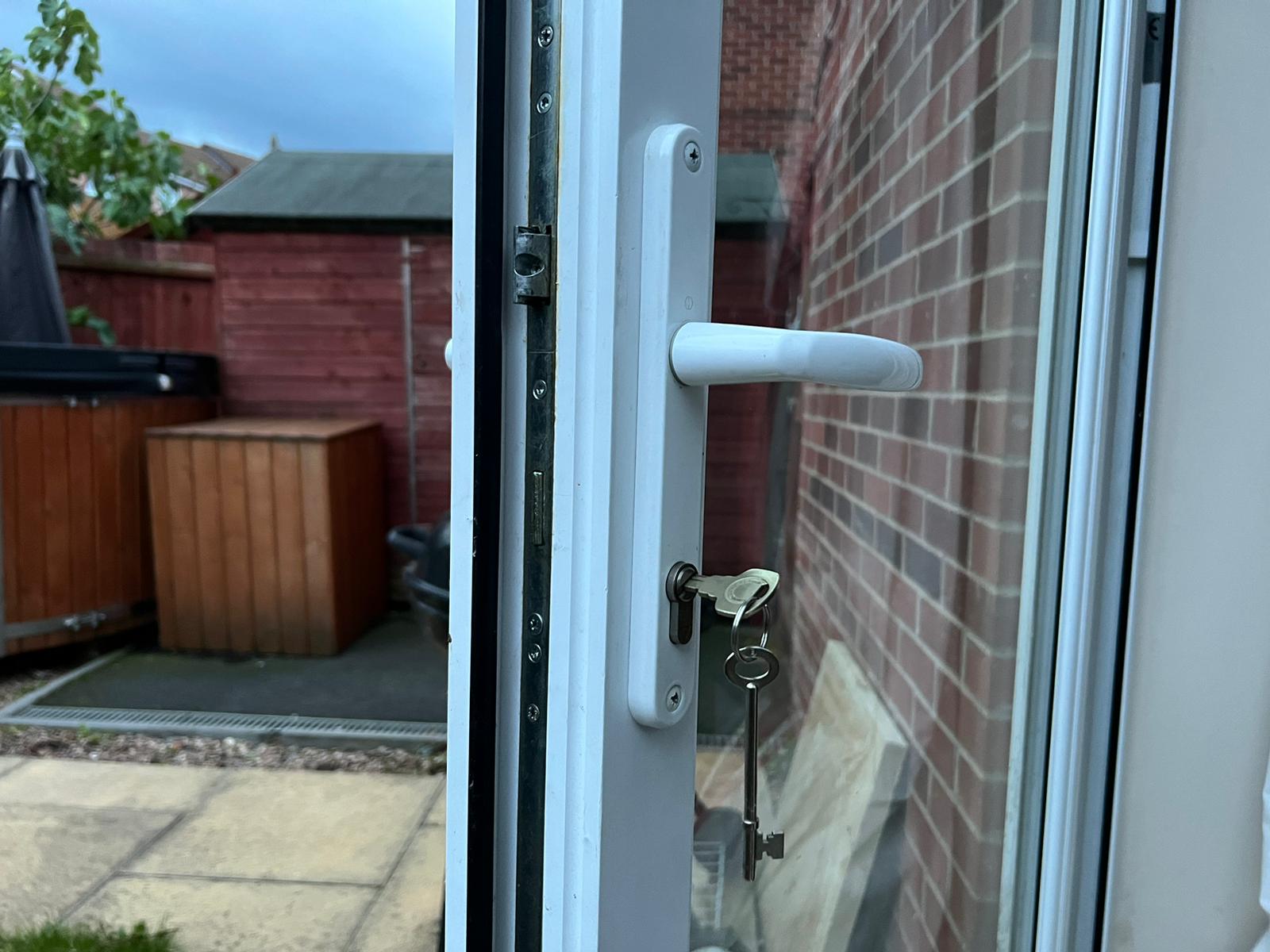
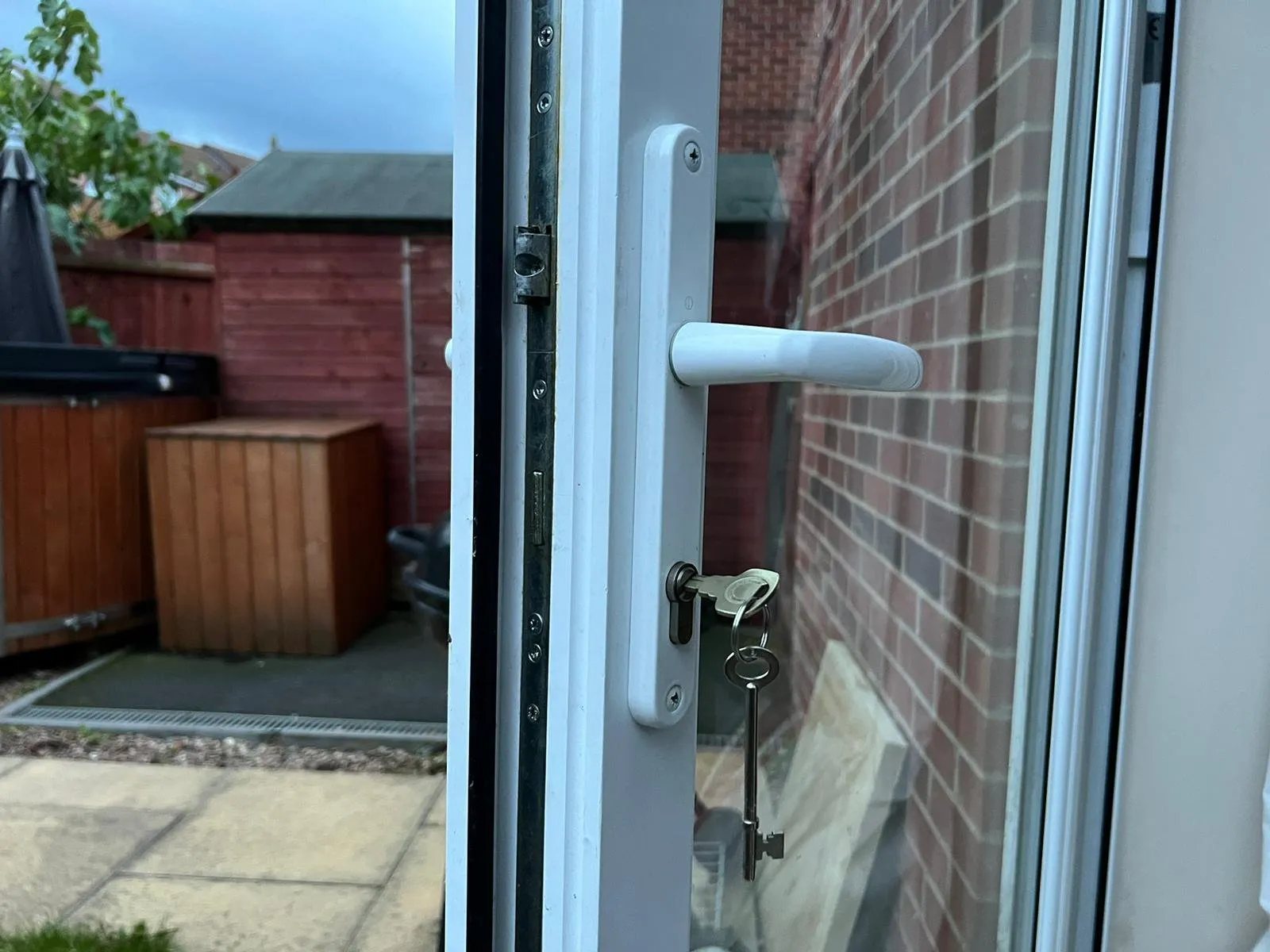
Ask the locksmith to distinguish a cylinder from the complete lock. On many multipoint doors, the cylinder controls key access while the strip and centre case remain separate components. Replacing the whole mechanism is not necessarily required solely to change key control.
Keys have been stolen or lost with identifying information
A missing key does not always create the same risk. Consider whether it was stolen, whether it was attached to an address or identifying document, and whether someone could link it to the property. If that risk is credible, restoring key control is prudent. If an unmarked key was simply misplaced far from home, the decision may be less urgent, though personal circumstances still matter.
Where keys were taken during a burglary, follow police and insurer guidance and arrange a post-break-in lock assessment. Replace or rekey hardware where access control is compromised, not merely because every reachable lock is assumed damaged.
The lock or surrounding hardware is damaged
Attack marks, a forced cylinder, a cracked case, loose protective hardware or damaged keeps deserve inspection. A lock that still turns may not be secure, while a stiff lock may be reacting to door alignment rather than internal failure. Do not repeatedly test damaged hardware or force the door closed.
The assessment should cover the door, frame, hinges, keeps and lock components as applicable. Door lock repair may be suitable where a safe, compatible repair is available. Replacement may be preferable where damage is confirmed, a component cannot be restored or continued use would leave an unacceptable access risk.
Access must be withdrawn
Changes in household, care, contractor or employee access can create a need to revoke keys or credentials. Make sure you have lawful authority to alter the lock and consider everyone who needs safe entry or exit. Communal doors, rented properties and managed buildings may require consent or coordination.
For electronic or smart systems, revoking a user may be possible without changing the physical lock, but this depends on the exact model, administrator control and manufacturer process. Check current documentation rather than assuming every credential can be removed remotely.
The lock no longer suits the door or current requirements
A replacement may be appropriate after a door change, persistent compatibility issue or updated requirement from an insurer or building manager. Age by itself is not a diagnosis. Look at condition, product markings, operation, door preparation and the requirement that actually applies.
For insurance, read your own policy and ask the insurer to clarify unclear wording. British standards and certification schemes apply to particular products or configurations; one marked component does not automatically certify the whole doorset. Ask for the exact proposed product and evidence relevant to it.
The lock repeatedly fails despite correct adjustment
Recurring stiffness, unreliable latching or intermittent locking should be assessed before parts are selected. On uPVC and composite doors, alignment, handles, spindle, cylinder, centre case and multipoint strip can produce overlapping symptoms. A uPVC door repair assessment should identify the likely cause and compatible options.
Do not assume the cylinder is at fault or add a universal lubricant. Follow the exact manufacturer’s maintenance guidance for each component. If the product cannot be identified, operation requires force or a maker-approved check does not resolve the symptom, stop and seek professional advice.
You are considering keyless or smart access
Convenience can be a valid reason to review a lock, but smart functionality does not by itself improve physical security. Compatibility depends on the door, cylinder, multipoint operation, available clearances, escape needs and the exact device. Features such as remote access, logs and integrations vary by model and may rely on batteries, networks, hubs or subscriptions.
A smart lock installation assessment should check manufacturer compatibility, current security documentation, update support, fallback access and any insurer requirements. Some doors may have no suitable option without wider changes. Stop if installation instructions do not clearly match the existing doorset.
What to ask before changing a lock
Request an assessment and ask:
- What access or security problem is the change intended to solve?
- Is the cylinder, lock case, multipoint strip or complete assembly involved?
- Can the existing product be repaired or rekeyed safely?
- Which replacement is compatible with the door and connected hardware?
- What certification or policy requirement applies?
- Will everyone still have safe, authorised entry and exit?
Ask for an itemised estimate after assessment, with the proposed part clearly identified. Avoid treating a cylinder swap, lock replacement and full doorset change as the same job.
Getting product-specific advice
A house lock should be changed for a defined access, condition or compatibility reason, not because of a generic age rule or broad security claim. Kingdom Locksmith can be contacted through the neutral contact page to discuss an assessment. Confirm current availability, exact scope and the options appropriate to your door and lock.