
Should Landlords Change Locks Between Tenancies? UK Guide

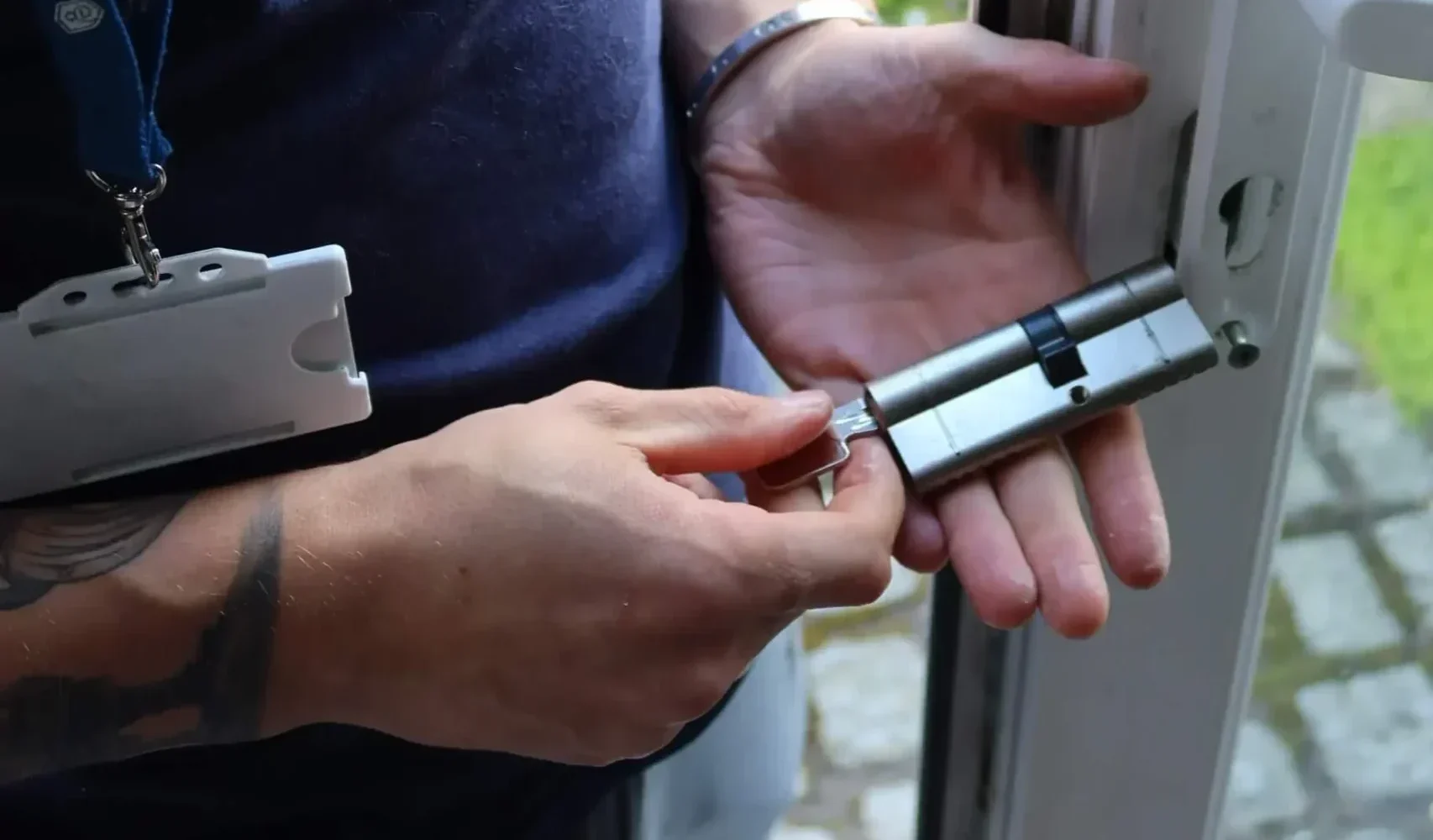
Landlords should review the locks and key control whenever one tenancy ends and another begins. If you are asking, “should landlords change locks between tenancies?”, the answer depends largely on whether all previous keys can be accounted for and the property remains secure. In England, there is no blanket rule requiring every lock to be replaced between every tenant, but changing or rekeying relevant locks can be sensible when you cannot be confident that all previous keys are under control.
The important phrase is between tenancies. Changing locks after possession has clearly returned to the landlord is very different from changing them to prevent somebody with an active right to occupy the property from entering.
This guide focuses mainly on private renting in England. Landlord and tenant law differs across Scotland, Wales and Northern Ireland, so legal questions outside England should be checked against the relevant local rules.
Is a Landlord Legally Required to Change Locks Between Tenants?
There is no general requirement in England that says every private landlord must automatically replace every lock after every tenancy. The practical decision depends on key control, the condition of the existing hardware, property-specific requirements and any relevant insurance or licensing conditions.
That does not mean the locks should simply be ignored. A tenancy change is a natural point to confirm who can still access the property and whether the existing lock remains suitable for the next occupants.
First Confirm That the Previous Tenancy Has Actually Ended
Before changing locks, make sure the property is genuinely back under the landlord’s control. Do not use a locksmith or lock change as a shortcut for resolving a possession dispute.
GOV.UK guidance on harassment and illegal evictions is clear that changing locks to exclude a tenant without following the required possession process can amount to illegal eviction. The exact legal process depends on the type of occupation and circumstances, so seek appropriate legal advice if there is any doubt about whether the former occupier still has a right to enter.
Once the tenancy has properly ended and possession has been returned, the question changes from eviction law to security and key control.
Why Returned Keys Do Not Always Restore Key Control
A tenant may return every key that was originally issued and still leave uncertainty about access. Copies may have been made for partners, family members, cleaners, carers or other authorised people during the tenancy.
That does not mean the previous tenant has done anything wrong. It simply means that returning the known keys does not prove that no additional copies exist.
For the incoming tenant, a lock or cylinder change can create a clear new starting point. The old keys stop working and access can be restricted to the newly authorised keyholders.
When Is a Lock Change Particularly Sensible?
A change deserves stronger consideration when keys are missing, the number of copies is uncertain or a former occupant should no longer have access. It is also sensible to inspect the lock after attempted burglary, damage or repeated problems during the previous tenancy.
Other reasons include:
- some keys were not returned;
- keys were previously lost or stolen;
- the cylinder or lock is worn or unreliable;
- the property has had several occupiers with unclear key records;
- an incoming tenant has a legitimate security concern;
- the landlord wants to standardise security across a portfolio;
- the existing hardware does not meet an applicable insurance, licensing or property requirement.
Not every situation requires complete lock replacement. The correct intervention depends on what is already fitted.
Do You Need a Complete New Lock?
Often, no. On many uPVC and composite entrance doors, changing the euro cylinder can make the old keys useless while leaving a sound multipoint mechanism in place.
Timber doors may use mortice locks, night latches or other arrangements where the practical options differ. Depending on the hardware, the solution may be a cylinder change, rekeying where supported or replacement of a worn lock case.
Our lock replacement and lock change service explains the difference between replacing a cylinder and changing more of the locking system. The aim should be to restore controlled access without replacing working components unnecessarily.
Check the Condition of the Door at the Same Time
A changeover is also a useful opportunity to check whether the door actually locks correctly. A new cylinder will not correct a dropped uPVC door, damaged keep, failed gearbox or worn latch.
Test the door from both sides, confirm that keys operate normally and check that handles, latches and locking points work without excessive force. Any fault should be diagnosed separately from the decision to invalidate old keys.
This distinction matters because key control and mechanical condition are two different issues. A perfectly functional lock can still have uncertain key control, while a brand-new key does not make a failing mechanism reliable.
What About Insurance Requirements?
Do not assume that one particular lock standard or automatic between-tenancy replacement rule applies to every landlord insurance policy. Insurance terms can differ by property type, insurer and cover.
Check the current policy wording for any requirements relating to door locks, lost keys, security standards or unoccupied periods. Where a security upgrade is needed, our high-security locks service covers options such as appropriate security cylinders and lock standards.
Keep receipts and a record of what was fitted. Documentation can make it easier to demonstrate what security work was completed and when.
HMOs Need Additional Care
HMO lock decisions should not be treated exactly like an ordinary single-household rental. Bedroom doors, communal areas and final exits can be affected by licence conditions and fire-safety requirements.
Fire-safety guidance says that locks on fire-exit doors should open without a key, and local HMO requirements may impose more specific conditions.
That means a landlord should not simply add a high-security key-operated lock to an escape door without considering how occupants would leave during an emergency. Our landlord and HMO locksmith service looks at rental security and escape hardware together.
Keep a Simple Key-Control Record
Landlords and managing agents can make future changeovers easier by recording how many keys are issued and returned. The record does not need to contain unnecessary personal information, but it should make key responsibility clear.
Useful information includes the property, door or room the key operates, number of keys issued, number returned and whether the cylinder or lock was changed at checkout. For larger portfolios, restricted key systems may also be worth considering where tighter duplication control is genuinely needed.
Can a Landlord Change the Locks During a Tenancy?
Do not change the locks simply to stop a current tenant entering the property. GOV.UK guidance makes clear that tenants have protection against illegal eviction and unreasonable interference with their occupation.
Emergency repairs or an agreed security change are different situations, but continued tenant access still needs to be handled correctly. If there is a dispute over possession or access, obtain appropriate legal advice instead of treating a lock change as the solution.
Between-Tenancy Lock Checklist
Before the next tenant moves in, check:
| Check | Question |
|---|---|
| Tenancy status | Has the previous tenancy and possession clearly ended? |
| Returned keys | Were all known keys returned? |
| Unknown copies | Could additional authorised copies still exist? |
| Lock condition | Does each lock work correctly without excessive force? |
| Security | Is the existing hardware appropriate for the property? |
| Insurance | Does the current policy specify lock requirements? |
| HMO/fire safety | Do relevant doors preserve safe keyless escape where required? |
| New keys | Has the number issued to the new occupants been recorded? |
The result does not always need to be “replace everything”. It should be a documented decision that leaves the new occupants with controlled, reliable access.
Frequently Asked Questions
Do Landlords Have to Change Locks After Every Tenant?
Not as a blanket legal requirement in England. However, the end of a tenancy is a sensible time to assess whether old keys may still be in circulation and whether the existing locks remain appropriate. Where key control is uncertain, changing the relevant cylinder or lock can establish a new access baseline. Property-specific licence, insurance or safety requirements should also be checked.
Is Changing the Euro Cylinder Enough?
It often can be when the existing multipoint mechanism is in good condition and the objective is simply to invalidate old keys. The cylinder still needs to be correctly sized and suitable for the security requirements of the door.
If the gearbox, handles or wider mechanism are worn, a cylinder change alone will not solve those faults. The whole doorset should be assessed before deciding what to replace.
Should Locks Be Changed if All Keys Were Returned?
It depends on how confident the landlord is in the key history and what standard they want for each changeover. Returned keys account for the known copies but cannot prove that another copy was never made.
Should Landlords Change Locks if a Tenant Does Not Return All the Keys?
Yes, changing or rekeying the affected locks can be sensible when keys are missing or their whereabouts are unknown. It prevents a former keyholder from potentially retaining access after the tenancy ends.
Final Thoughts
Landlords do not need to treat every tenancy change as an automatic full-lock replacement. The better approach is to confirm that the previous tenancy has legally ended, review key control, inspect the existing hardware and decide whether a cylinder change, rekey or complete replacement is justified.
Where keys may still be in circulation, changing the relevant lock or cylinder can give the incoming tenant a cleaner security starting point. For HMOs, managed properties or larger portfolios, fire-safety requirements and access management also need to be considered alongside ordinary door security.
Our landlord and HMO locksmith service handles between-tenancy lock changes and rental-property access work. The purpose of the inspection should be to restore secure, controlled access rather than replace working hardware without a clear reason.