How to Assess a Local Locksmith

“Local locksmith” can describe a nearby independent trader, a regional company, a national network page, or a business that sends another provider. The label alone does not establish proximity, availability, competence, stock, price, or accountability. Those points should be checked directly.
Locality can still be a useful comparison factor. The safest approach is to turn each claimed benefit into a question that can be verified before booking.
Is the attending locksmith actually nearby?
A local telephone number, town name, or map listing does not show where the available technician is. Ask who will attend, where that person will travel from, and what the live estimated arrival window is. An ETA is not a guarantee, but it is more useful than assumptions based on branding.
If you are looking in a service area such as Derby or Ipswich, confirm exact-address coverage. A provider may list a town while covering only certain postcodes, times, or job types. Also ask whether attendance will be direct or arranged through another business.
Does the provider know this door and lock type?
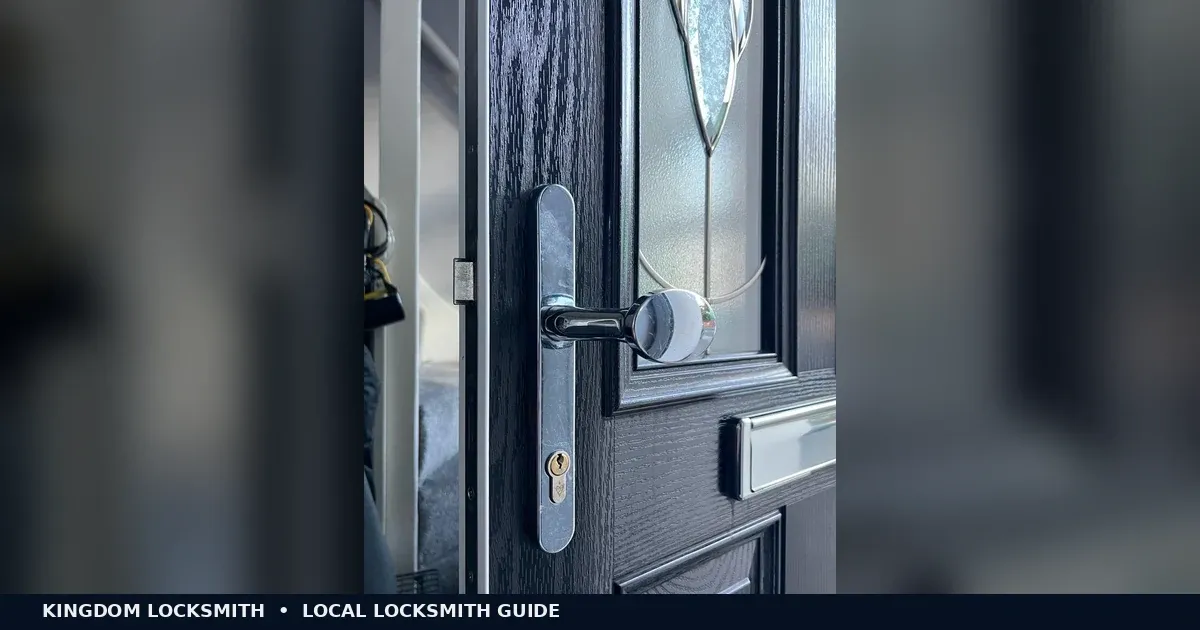
Area knowledge is not technical competence. Describe the door material, lock type, symptoms, and whether the door is open or closed. Ask about experience with that exact kind of work. For example, uPVC multipoint systems differ from mortice locks, access-control systems, vehicle locks, and safes.
Photos may help a provider identify likely components, but they do not establish a diagnosis. Ask whether the technician can assess the cylinder, handles, spindle, centre case, locking strip, keeps, hinges, and alignment where relevant. A provider offering door lock repair should explain what falls within its current scope.
Will the required parts be available?
Do not assume a nearby locksmith carries the right component. Ask whether a part has been identified, whether it is likely to be carried, and what happens if it must be ordered. Obsolete or unusual mechanisms may need research, adaptation within manufacturer guidance, or a return visit. Avoid any promise of certain first-visit completion before inspection.
Who are you contracting with?
Request the full legal or trading name and a written booking confirmation. If another technician or company will attend, ask for both identities and clarify who controls the price, takes payment, issues the invoice, and deals with complaints.
Registration details can help establish identity but do not prove skill. Trade-body membership, insurance, or certification claims should be checked directly with the relevant organisation and for the current period. This applies equally to local, regional, and national providers.
Is pricing clear and comparable?
Ask for an itemised estimate that identifies attendance charges, labour, likely parts, VAT, parking or out-of-hours charges, and how extra work will be authorised. Compare totals on the same basis. A low headline figure is not useful if essential charges are missing.
If the diagnosis changes on site, request an updated total before work proceeds. Ask for the invoice to identify the business and parts supplied. Payment methods and timing should be confirmed for the specific booking rather than assumed from business size or location.
How will entry and damage risks be handled?
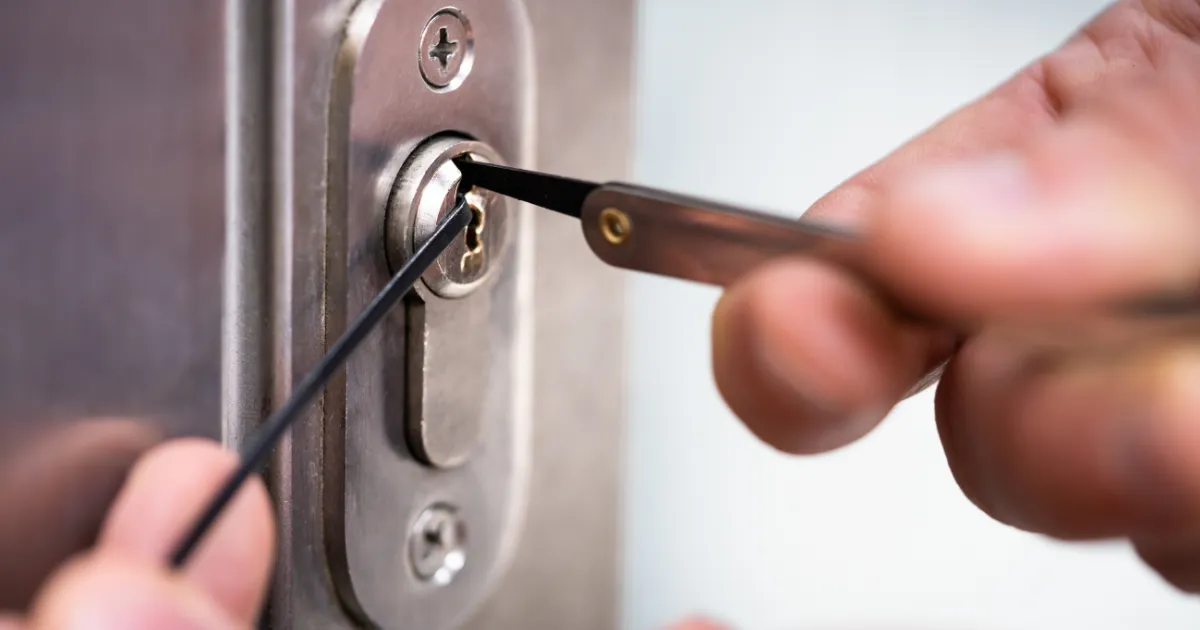
For a lockout, ask the locksmith to assess and explain viable entry methods. Non-destructive entry should be considered where suitable, but it cannot be guaranteed. Controlled drilling may be appropriate for a failed or unsuitable lock; when done carefully it may sacrifice the cylinder without damaging the door. Ask what could be damaged, what replacement would be fitted, and how security would be restored.
The locked-out service guide explains what information to provide. Any provider should also take reasonable steps to verify your authority to enter.
What does accountability look like?
Proximity does not create accountability. Verify a contact address, invoice identity, complaint route, and written terms. Ask who to contact if a fault reappears and whether any parts or workmanship terms apply to the proposed job. Do not assume a standard guarantee period; read the actual terms and exclusions.
Reviews can provide context, but check patterns, dates, detail, and how complaints are handled. They should complement, not replace, identity, competence, and written-price checks.
A neutral booking checklist
Before choosing any locksmith, confirm:
- exact-address coverage and live availability;
- attending identity, dispatch location, and ETA;
- relevant experience and current scope;
- itemised estimate, VAT treatment, and authorisation process;
- proposed entry or repair approach;
- invoice identity and complaint route.
Locality may be relevant if the answers show genuine proximity or experience, but it should never stand in for evidence. For a specific enquiry, use the contact page and verify current availability, scope, estimate details, and attendance arrangements before booking.