
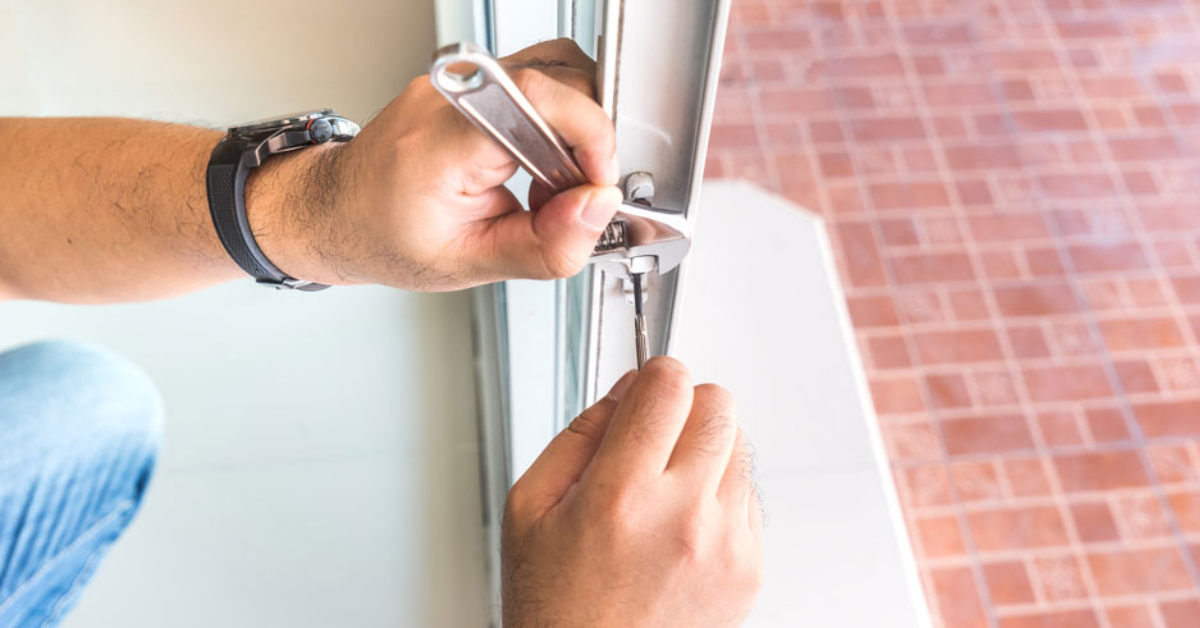
How to fix sliding door lock mechanism problems usually comes down to alignment, worn rollers, loose handle screws, or a failing mortise lock. If your door will not latch, feels loose, or only locks when lifted, you are in the right place. Most homeowners face this issue at least once, especially with sliding patio doors, aluminium frames, or uPVC systems exposed to daily use and weather changes.
Before you replace anything, many lock failures can be fixed in under 30 minutes using basic tools like a screwdriver, lubricant, and tape measure. In many UK homes, including areas like Coventry and the West Midlands, misaligned tracks and worn rollers are the top causes of lock failure.
According to guidance from This Old House, most sliding door lock issues are linked to poor alignment and maintenance rather than broken hardware. If DIY fixes do not solve the issue, Kingdom Locksmith is always ready to help with fast, reliable sliding door and lock repairs across the UK.
In this guide, you will learn how to diagnose the real problem, adjust the strike plate, clean and restore the latch, and replace faulty parts only when needed. We will walk you through each step clearly, so you can restore security and smooth locking without guesswork.
What A Sliding Door Lock Mechanism Is And Why It Stops Locking
A sliding door lock mechanism is the set of parts that lets your patio or sliding glass door latch shut and stay secure. Most systems use a mortise lock fitted inside the door edge, connected to the handle. When you turn the handle, the latch or hook bolt moves into the strike plate on the frame. If any part is dirty, loose, worn, or slightly out of alignment, the latch will not meet the strike plate cleanly, so the door feels like it will not lock. The good news is many failures are caused by simple issues like door drop from rollers, a shifted keeper, or debris in the latch pocket. Understanding the main components helps you diagnose faster and fix the right thing without forcing the handle or damaging the frame.
Sliding Door Lock Parts You Need To Know
Most locking issues are easier to solve once you know what each part does. The handle moves the internal lock, the latch or hook bolt engages the frame, and the strike plate guides it into place. The rollers and track control door height and alignment, which directly affects whether the lock lines up and latches smoothly.
Mortise lock latch hook bolt strike plate keeper
The mortise lock sits inside the door edge and connects to the handle. The latch or hook bolt is the moving piece that locks the door. The strike plate and keeper are on the frame, they guide and hold the latch when it closes. If the keeper shifts, the latch can miss or scrape.
Rollers track alignment and door drop
Rollers sit at the bottom of the door and ride on the track. If the rollers wear or loosen, the door drops slightly. Even a small drop can make the latch sit too low for the strike plate. Dirt in the track can also tilt the door and cause rubbing, sticking, and poor lock alignment.
Common Causes Of A Sliding Patio Door Lock Not Latching
Sliding patio doors usually fail to latch for two reasons. Either the mechanism is not moving freely because it is dirty or dry, or the latch is fine but it does not line up with the strike plate due to door drop or frame shift. Spotting which one applies saves time.
Dirt corrosion and dry moving parts
Dust, grit, and old lubricant can build up around the latch, keeper, and lock case. Corrosion can also slow the spring movement. The result is a sticky latch that does not extend fully. Cleaning and using a small amount of silicone spray or graphite often restores smooth action.
Misalignment from roller wear
Worn rollers lower the door and change the latch height. The latch then hits the frame or misses the strike plate opening. You may notice it locks only when you lift or push the door. Adjusting rollers and repositioning the strike plate usually solves this.
How To Fix Sliding Door Lock Mechanism In 7 Easy Steps
Follow these steps in order. Test after each step before moving forward.
Step 1: Confirm The Problem Is Alignment, Not A Broken Lock
Before removing anything, check whether the lock itself is faulty or the door is misaligned.
Open the door and turn the handle. If the latch or hook bolt moves freely, the mechanism is likely fine. Now close the door slowly and try locking it gently.
If it only locks when lifted or pushed, the problem is door alignment, not the lock.
Mini Checklist
- Check latch movement with door open
- Close door slowly and watch latch position
- Look for scrape marks on strike plate
- Listen for grinding or rubbing
If it works open but not closed, move to alignment fixes.
Step 2: Tighten The Handle Screws
Loose handles reduce latch movement and cause weak locking.
Use a Phillips screwdriver to tighten all visible handle screws evenly. Do not overtighten. If the handle feels loose, remove it, reseat the spindle, and reinstall.
Test: Turn the handle slowly. The latch should extend fully and feel firm.
Step 3: Clean The Track And Latch Area
Dirt in the track can cause door drop and misalignment. Debris in the latch pocket can stop the latch from extending fully.
Vacuum the sliding track. Brush out corners. Wipe dry. Clean the strike plate and latch pocket with a cloth.
Test: Close the door and try locking again without force.
Step 4: Lubricate The Latch Correctly
Use only silicone spray or graphite. Avoid oil-based sprays.
Apply a small amount to the latch or hook bolt. Cycle the handle 8 to 10 times. Wipe off excess.
Do Not
- Flood the mechanism
- Use heavy penetrating oils
- Leave wet lubricant sitting inside
The latch should now move smoothly and return quickly.
Step 5: Adjust The Strike Plate
If the latch moves properly but does not catch, the strike plate may be slightly out of position. Loosen the strike plate screws slightly. Shift it 1 to 2 mm in the needed direction. Tighten and test. Look for rub marks to identify exact misalignment.
Repeat small adjustments until the latch enters smoothly without lifting or pushing the door.
Step 6: Inspect The Mortise Lock Mechanism
If the door still will not lock, remove the handles and slide out the mortise lock from the door edge.
Check for:
- Weak or broken latch spring
- Bent hook bolt
- Corrosion inside lock case
- Loose internal linkage
Manually move the latch. It should spring back firmly. If it feels weak or gritty, replacement is recommended.
Step 7: Replace The Lock Mechanism If Needed
If internal parts are worn, install a matching mortise lock replacement.
Before buying:
- Measure backset
- Measure faceplate height
- Measure screw spacing
- Confirm latch or hook type
Install carefully, align the spindle, tighten handles evenly, and test 10 full lock cycles with the door open and closed.
The door should lock smoothly without pressure.
Tools You Will Need
- Phillips screwdriver
- Allen key if required
- Tape measure
- Flashlight
- Silicone spray or graphite
- Vacuum or brush
You do not need specialist tools for most repairs.
How To Measure A Sliding Door Mortise Lock
If replacing the mechanism, accuracy matters.
Measure:
- Backset from door edge to spindle centre
- Faceplate height and width
- Screw hole spacing
- Latch or hook bolt position
- Latch throw length
Take clear photos before ordering.
If unsure, contact Kingdom Locksmith with photos and measurements to ensure correct fit.
Troubleshooting After The 7 Steps If It Still Will Not Lock
If your sliding patio door still will not lock after the 7 steps, do not force the handle. At this point the issue is usually one of four things, the door height is still off, the cylinder or keyway is dirty or worn, the strike plate is not aligned to the latch path, or the internal linkage between the handle and mortise lock is failing. Use the quick checks below to pinpoint the cause, then repeat the specific step that matches the symptom. Small adjustments, 1 to 2 mm, often make a big difference. If you notice frame damage, a bent latch, or a cracked handle set, replacement is normally the safer fix.
Door Locks Only When Pushed Or Lifted
This almost always points to door drop from worn rollers or a door that is sitting too low on the track. Recheck roller adjustment so the door is level and the latch meets the strike plate without pressure. Also confirm the strike plate has not shifted while you were testing. Locking should work with gentle closing only.
Key Will Not Turn Or Turns Stiff
A stiff key usually means dirt in the cylinder, a dry keyway, or misalignment that puts pressure on the lock when the door is closed. Test the key with the door open. If it turns freely open but not closed, focus on alignment and the strike plate. If it is stiff in both cases, use a tiny amount of graphite, then consider replacing the cylinder.
Latch Misses The Strike Plate
If the latch is landing above or below the strike plate opening, the plate needs repositioning or the door height needs correcting. Look for scrape marks on the strike plate edge. Move the strike plate slightly toward the latch path, then tighten and test. If the gap is large, adjust rollers first, then fine tune the strike plate.
Handle Moves But Latch Does Not Engage
When the handle turns but the latch barely moves, the spindle may be slipping, the handle cam may be worn, or the mortise lock linkage is damaged. Remove the handle and check the spindle for rounding or wear. With the mortise lock out, test the latch movement by hand. If it feels loose or weak, replace the mortise lock.
Maintenance Tips To Prevent Sliding Door Lock Problems
Most sliding door lock issues return because dust builds up in the track and small alignment changes go unnoticed. A simple routine keeps the door level, reduces friction, and protects the lock from wearing early. Spend a few minutes each month cleaning, then do a light lubrication seasonally. If security is a concern, add a secondary lock or anti lift measures so the door stays secure even if the main latch wears.
Monthly Track Cleaning And Seasonal Lubrication
Vacuum the track, brush out corners, and wipe it dry. Check the door glides smoothly and does not drag. Tighten handle screws if needed. Every few months, apply a small amount of silicone spray to the latch and wipe excess. Keep lubricant off the track surface if it makes the door slip.
Simple Security Upgrades For Patio Doors
If your patio door is a main entry point, add extra protection beyond the standard latch. Small upgrades can reduce forced entry risk and help the door feel more secure.
Anti lift device secondary lock options
An anti lift device helps stop the door being lifted off the track from the outside. A secondary lock, such as a patio door bolt or security bar, adds a second locking point and improves peace of mind.
Final Thought
By following these 7 steps, you can fix most sliding door lock issues without guesswork. Start by confirming whether the problem is alignment or a worn mechanism. Then tighten the handle, clean the track and latch area, lubricate correctly, and fine tune the strike plate so the latch engages smoothly. If the lock still struggles, measuring the mortise lock and matching the right replacement prevents wasted time and money. Use the troubleshooting section to pinpoint stubborn symptoms such as door drop or a stiff keyway, then retest until the lock closes gently.
Next step: read our guide on How to repair a uPVC door lock mechanism for more tips on diagnosing locks and common fixes. If you want a fast, reliable repair or replacement in Coventry and nearby, contact Kingdom Locksmith.
FAQs
Can A Sliding Door Lock Be Repaired?
Yes. Many sliding door locks can be repaired by tightening the handle screws, cleaning the latch and strike plate, lubricating with silicone spray or graphite, and realigning the strike plate. If the mortise lock spring is weak or parts are worn, replacement is usually the better fix.
How To Fix The Sliding Door Lock Mechanism In The Uk?
In the UK, most patio and sliding door lock issues come from door drop, misaligned keepers, or worn mortise locks. Start with alignment checks, tighten the handle, clean the track, lubricate correctly, then adjust the strike plate. If it still will not latch, measure the mortise lock and fit a matching replacement.
What Are The Common Problems With Sliding Door Locks?
Common problems include the door locking only when lifted or pushed, a loose handle, the latch missing the strike plate, stiff key turning, and latch movement that feels sticky. Dirt in the track and worn rollers are also frequent causes.
How Much Does It Cost To Replace A Door Lock Mechanism?
Costs vary by lock type and labour. A basic mechanism replacement is often cheaper than full handle and lock set changes. Expect the price to be higher if it is a multi point system or if parts are specialist. For an accurate quote, the lock type and measurements matter.
How Much Does It Cost To Fix A Sliding Door Lock?
If the issue is alignment, cleaning, or strike plate adjustment, the cost is usually lower than replacing parts. If the mortise lock or handle is damaged, the cost increases due to parts. The fastest way to price it is to share photos of the lock faceplate and strike plate.
Is It Worth Fixing A Door Lock Actuator?
If the actuator or internal linkage is the only issue and the lock body is in good condition, fixing can be worth it. But if there is visible wear, corrosion, or repeated failure, replacing the mechanism often lasts longer and reduces callouts.
Is It Easy To Replace A Sliding Door Lock?
It can be straightforward if you have the correct matching mortise lock and basic tools. The challenge is compatibility; small differences in backset, faceplate size, and screw spacing can cause fit problems. If you are unsure, get help to avoid ordering the wrong part.
How Much Does It Cost To Get Patio Door Locks Changed?
Patio door lock change costs depend on whether it is a simple mortise lock, a hook bolt style, or a more complex multi-point system. Labour, callout time, and parts also affect price. Sharing measurements and photos helps a locksmith quote accurately.
How Do You Adjust The Locking Mechanism On A Sliding Glass Door?
Most adjustments involve aligning the door so the latch meets the strike plate. Clean the track, then adjust rollers to correct door height. After that, reposition the strike plate in small increments until the latch engages smoothly without lifting or pushing the door.
How To Replace A Door Locking Mechanism?
Remove the handles, slide out the mortise lock from the door edge, and fit a matching replacement using the same measurements. Reinstall the spindle and handles, tighten screws evenly, then test locking with the door open and closed. If the latch still misses, fine tune the strike plate.