
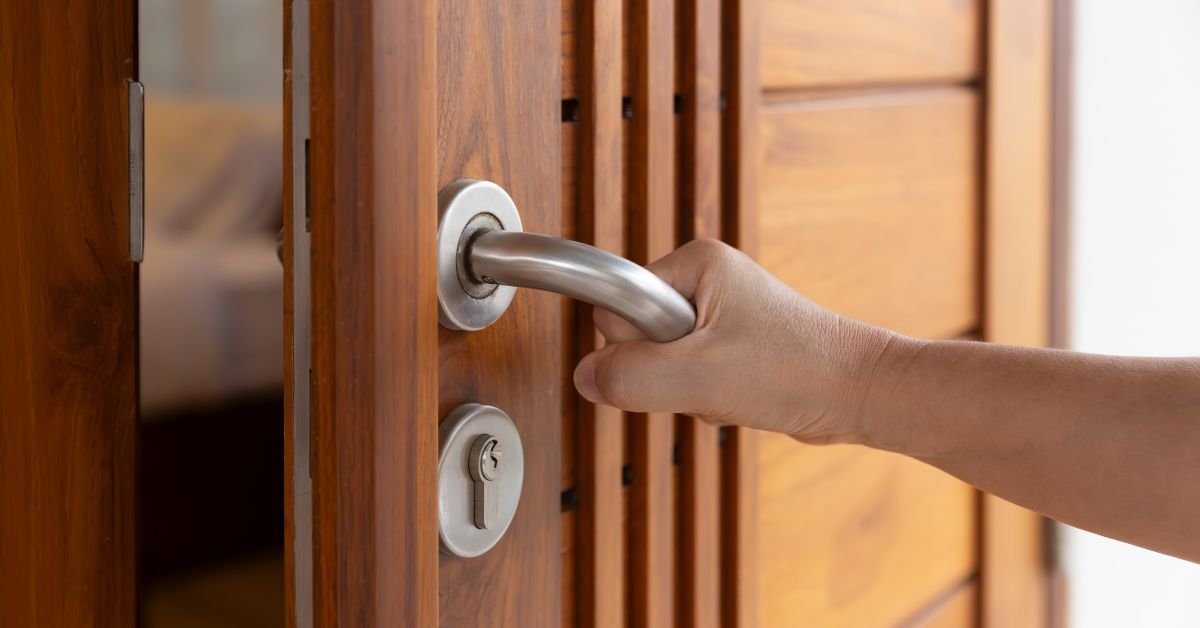
A lock stiff hard to turn is usually caused by dirt, dryness, light corrosion, or a worn key creating extra friction inside the mechanism. A clean and a dry lubricant fixes most cases in minutes. Stiffness that returns points to wear.
A stiff lock is one of the most common jobs we deal with, and most cases are an easy DIY fix. The key is using the right lubricant and knowing the few signs that mean the lock is worn rather than just dirty. This guide explains why a lock stiff hard to turn problem happens, the safe way to free a stiff lock, simple maintenance to stop it coming back, and the point where a worn lock needs professional attention.
Select 63 more words to run Humanizer.
Why is my door lock stiff and hard to turn?
A door lock becomes stiff and hard to turn when friction builds up inside the mechanism. The usual reasons are dirt and grit in the keyway, a dry cylinder, light rust on an exterior lock, a worn key, or a door that has dropped and is straining the bolt.
A door lock is the mechanism that turns key or handle movement into a bolt that secures the door. Inside, small parts have to move freely. Anything that adds drag, from dust to dryness to wear, makes the key harder to turn.
| Cause | What is happening |
| Dirt and grit in the keyway | Particles block the pins and add drag |
| Dry, unlubricated mechanism | Metal parts bind without a dry lubricant |
| Light rust or corrosion | Moisture roughens internal parts, common outdoors |
| Worn or bent key | A worn key drags against the pins |
| Dropped or misaligned door | The bolt binds in the keep, so the key feels stiff |
Matching your situation to the table shows whether you have a quick clean-and-lubricate job or a lock that is starting to wear out.
How to fix a stiff door lock
You can fix most stiff locks in a few minutes. Clean the keyway, apply a dry graphite or silicone lubricant, then work the key in and out to spread it. Check the door alignment if the key only stiffens when the door is shut. Never force a stiff key.
What you will need:
- A dry graphite powder or a silicone (PTFE) lock spray
- A can of compressed air or a soft brush
- A clean, dry cloth
- A screwdriver, in case fittings need tightening
Then work through these steps:
- Clean the keyway. Blow out dust and grit with compressed air, or brush it clear.
- Apply a dry lubricant. Puff dry graphite or spray silicone into the keyhole.
- Work the key in and out several times to spread the lubricant through the mechanism.
- Wipe the key and any excess from the lock face with the cloth.
- Test the door open and shut. If it only stiffens when closed, the door has likely dropped on its hinges.
- Tighten loose screws on the handle, hinges, and faceplate, since these can pull the lock out of line.
If a clean and a dry lubricant frees the key, you have cleared the friction and the lock should turn smoothly again.
Which lubricant should you use?
Use a dry graphite or silicone-based lubricant, and avoid standard oil sprays. The Master Locksmiths Association and most UK locksmiths warn against ordinary WD-40 inside a lock, because the oily film attracts dust and can make a lock stiff hard to turn over time.
“A stiff lock is nearly always dirt and dryness, not a broken lock,” says a Kingdom Locksmith locksmith. “We clean it out and use a dry graphite or silicone lube. The mistake we fix most is someone soaking the lock in ordinary oil spray, which gums it up worse a few weeks later.”
A small amount of the right product beats a heavy dose of the wrong one every time when dealing with a lock stiff hard to turn.
How to keep your lock turning smoothly
Simple lock maintenance keeps a stiff lock from coming back. Lubricate each external lock with a dry product twice a year, keep keys clean and unworn, tighten loose fittings, and fix a dropped door early before it strains the bolt.
A short routine makes the difference:
- Lubricate exterior locks with a dry, lock-safe product every six months.
- Cut fresh keys from the original every few years, not copies of copies.
- Tighten handle, hinge, and faceplate screws so the lock stays aligned.
- Wipe keys clean, since grit on a key travels straight into the cylinder.
- On exposed doors, fit a cylinder rated to British Standard BS3621 to better resist weather and wear.
Booking a yearly lock maintenance check is the easiest way to catch stiffness, wear, and alignment before they leave you stuck on the doorstep.
When a stiff lock means it is worn out

A lock stiff hard to turn that returns after cleaning and lubricating is usually worn internally. If the key still drags, grinds, or sticks once the lock is clean and the door is aligned, the cylinder or mechanism is failing and needs repair or replacement before it seizes completely.
Watch for a few clear signs. A grinding or crunching feel points to worn internal parts. A key that needs more force each month is on its way out. A lock that only works with one particular key has worn past its tolerance.
Do not force a worn lock, because a snapped key inside the cylinder turns a small job into a bigger one. A lock repair in the UK typically costs from £50 to £100, and a replacement cylinder from around £25 for the part plus labour. Prices vary by lock type, location, and time of day, so ask for a quote before work starts.
Frequently asked questions
Question: Why is my door lock suddenly stiff?
Answer: Sudden stiffness usually means dirt or grit in the keyway, a dry mechanism, or damp weather affecting an exterior lock. A clean and a dry lubricant fixes most cases. If it returns quickly, the lock is starting to wear.
Question: Can I use WD-40 on a stiff lock?
Answer: Avoid standard WD-40 inside a door lock. It eases the lock briefly, then the oily residue attracts dust and makes it stiffer. Use a dry graphite powder or a silicone-based lock spray instead.
Question: Why is my lock stiff in cold weather?
Answer: Cold weather brings condensation and slight contraction, and trapped moisture can partly freeze the mechanism. A dry lubricant helps, and keeping the lock dry and serviced reduces winter stiffness.
Question: Should I oil a stiff door lock?
Answer: No. Wet oils and grease attract dirt and clog the pins. A dry graphite or silicone lubricant is what a lock is designed for and keeps it turning longer.
Question: When should I replace a stiff lock?
Answer: Replace it if the stiffness returns after a proper clean and lubricate, or if the key grinds or sticks. Acting before the lock seizes avoids a lockout and a snapped key.
Keeping your door lock turning sweetly
A door lock that is stiff and hard to turn is nearly always dirt and dryness, and a quick clean with a dry lubricant gets most locks moving again. Acting early matters, because a neglected stiff lock wears faster and can seize or snap a key when you least expect it. At Kingdom Locksmith, we clean, service, and repair stiff and worn locks, realign dropped doors, and keep your locks turning safely for homes and businesses across the UK. A few minutes of care now saves a call-out later. If the stiffness keeps coming back, book a lock maintenance visit and have it sorted properly.