
Bent Door Key? Fix It or Replace It?

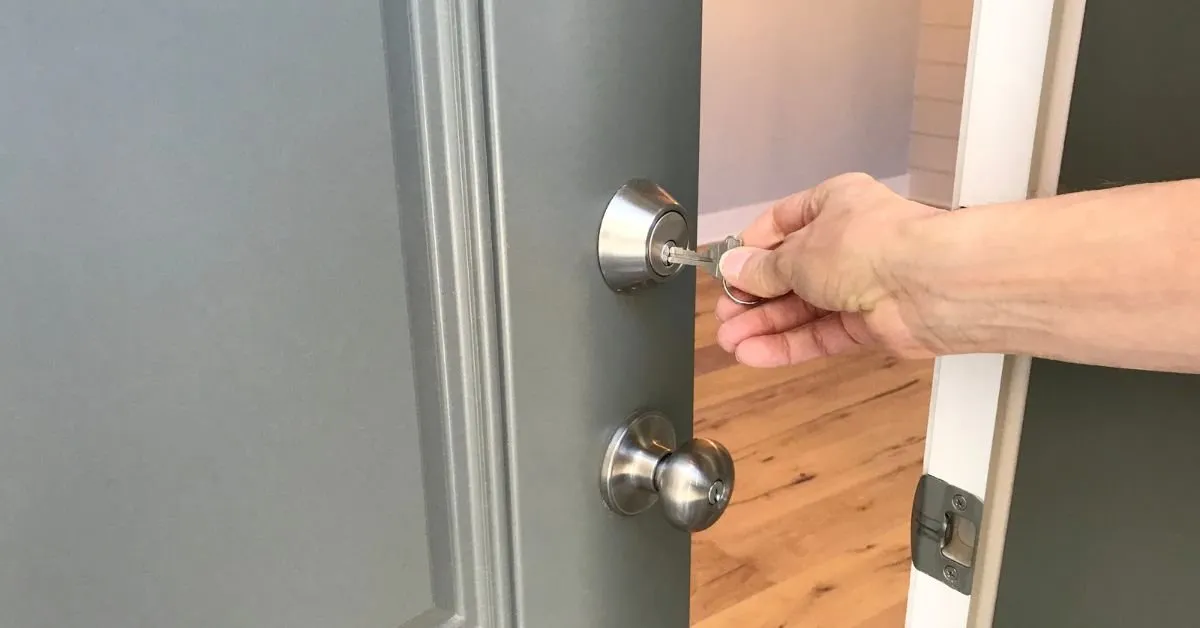
A bent key should be retired rather than straightened and reused. A visible bend can weaken the blade and change how it meets the lock, increasing the risk of sticking, breakage or damage if it is forced.
Why can a bent key cause trouble?
!Bent door key being compared with an undamaged replacement
A lock is designed for a key with the correct shape and cuts. A bend or twist can alter that alignment. The key may catch, fail to enter fully or place uneven load on the cylinder.
The key may not be the only issue. Door misalignment, a stiff mechanism, contamination, corrosion or wear can add resistance and may have contributed to the damage. An undamaged authorised spare can provide useful evidence, but it does not replace a full inspection if it also binds.
What should you do with a bent key?
| Situation | Safer action |
|---|---|
| Any visible bend or twist | Retire the key and obtain a suitable replacement |
| Crack, sharp kink or missing metal | Do not insert it into the lock |
| Undamaged spare works normally | Stop using the damaged key |
| Replacement or spare also binds | Stop applying force and have the key, lock and door assessed |
| Key breaks in the lock | Do not push the fragment further in; arrange careful extraction |
Obtain a replacement from an undamaged original, the correct key record, the manufacturer or an authorised supplier as appropriate. Restricted systems may require proof of authority and a registered key reference.
Do not test a visibly damaged key in the lock, hammer it flat or repeatedly bend it with tools. A key that looks straighter can still contain weakened metal.
When should the lock be checked?
Arrange an inspection if an undamaged replacement also catches, the lock feels stiff with the door open, operation changes when the door is pushed or pulled, or visible hardware moves. The assessment should distinguish key damage from cylinder, mechanism and alignment issues before repair or replacement is recommended.
For related guidance, see why a key will not turn in a lock and what to do when a key is stuck in a door lock.
Frequently asked questions
Can I straighten a bent key and keep using it?
Do not rely on a straightened key. Retire it and obtain a suitable replacement from an undamaged source.
Can a bent key damage a lock?
Forcing a misaligned or weakened key can damage the key or lock. Stop if it catches or requires extra pressure.
What if the replacement key also sticks?
That suggests the issue may not be limited to the original key. Have the replacement, lock mechanism and door alignment assessed.
Can a locksmith remove a broken key?
A locksmith can assess whether careful extraction is possible without pushing the fragment further into the mechanism. The required work depends on where the key broke and the condition of the lock.
Getting the key and lock assessed
Treat the bent key as damaged evidence, not something to repair and reuse. Contact Kingdom Locksmith to check local service availability and request a quotation.