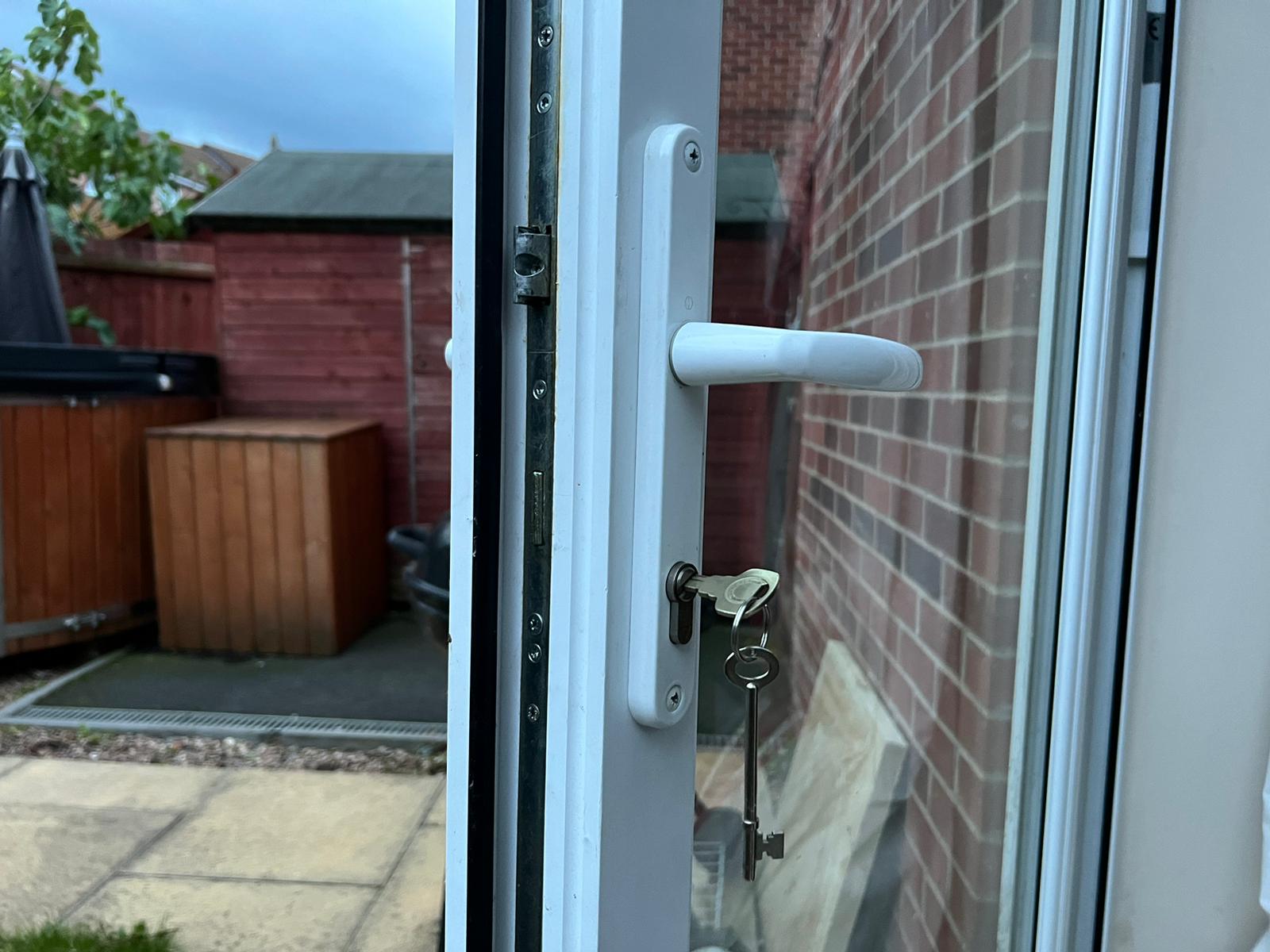
Key Won't Turn in the Lock: Causes and Fixes

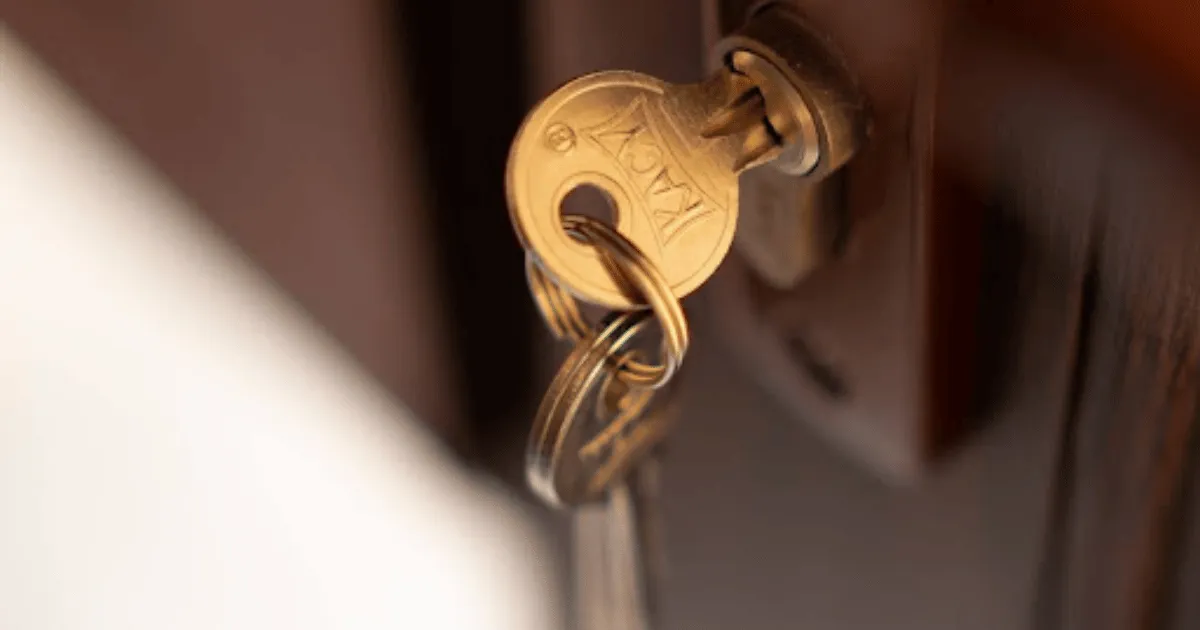
A key won't turn in the lock when dirt, a worn or bent key, or a worn cylinder stops the pins lining up. Try a dry graphite lubricant and a spare key first, then call a locksmith if it persists.
A stuck key is one of the faults we are called to most, and many cases clear in a few minutes once you know the cause. The risk is forcing it, because a snapped key or a damaged cylinder turns a cheap fix into a full lock change. This guide covers the causes, the safe fixes to try, the costs in the UK, and the point at which it pays to stop and call a professional.
Why won't my key turn in the lock?
A key won't turn in the lock when something stops the pins or the cylinder from rotating. The common causes are dirt inside the cylinder, a worn or bent key, a worn cylinder, rust, ice in cold weather, or a door that has dropped out of alignment. If it is the cold, thawing a frozen lock safely covers what not to pour on it.
A lock cylinder is the barrel inside the lock that reads the key and turns the bolt. Spring-loaded pins sit inside it, and they must lift to the right height before the cylinder will rotate. Anything that blocks those pins, or wears them down, stops the key turning cleanly.
| Symptom | Likely cause |
|---|---|
| Key goes in but will not turn at all | Dirt in the cylinder or worn pins |
| Spare key turns, everyday key does not | Worn or bent key |
| Key turns hard or feels gritty | Wear, dryness, or light corrosion |
| Lock seized solid outdoors | Rust, or ice in winter |
| Key only turns when you push or pull the door | Dropped or misaligned door |
Reading your symptom against the table shows whether you have a quick lubrication job or a worn cylinder that needs replacing.
How to fix a key that won't turn (step by step)
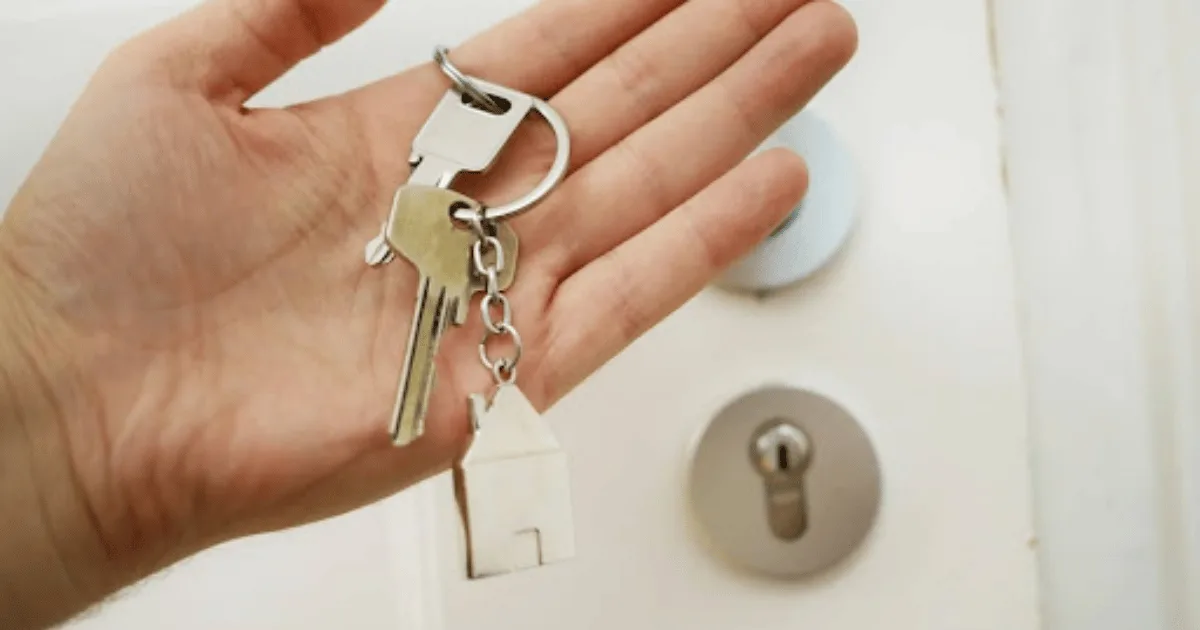
You can free most stuck keys in a few minutes with a dry lubricant and gentle pressure. Check the key, clean the keyway, apply dry graphite or silicone, then work the key in and out. Never force the key, because a snapped key means a bigger and costlier repair.
Work through these steps in order:
- Check the key first. Look for bends, burrs, or worn cuts, then try a spare. If the spare turns, get a fresh key cut and stop here.
- Clean the keyway with a short burst of compressed air to clear dust and grit.
- Apply graphite powder or a PTFE-based lock spray into the keyhole.
- Work the key in and out several times, then turn it with light, steady pressure.
- If the key only turns part way, take pressure off the bolt by pushing or pulling the door, or lifting the handle.
- Stop if it still resists. A worn cylinder needs professional repair rather than more force.
If a clean and a lubricate gets the key turning, you have likely cleared dirt or dryness, and a little routine care will keep it working.
Which lubricant should you use?
Use graphite powder or a PTFE-based lock spray, and avoid heavy oil-based sprays inside the cylinder. Oil residue can attract dust and grit, which may make the lock stick again over time.
"The job we get called to most after a stuck key is a lock that has been flooded with ordinary WD-40," says a Kingdom Locksmith locksmith. "It frees the lock for a day, then the oily film pulls in dust and the cylinder seizes worse than before. A dry graphite or silicone lube is all a lock needs."
A small amount of the right product, worked in with the key, beats a heavy dose of the wrong one every time.
Should you fix it yourself or call a locksmith?
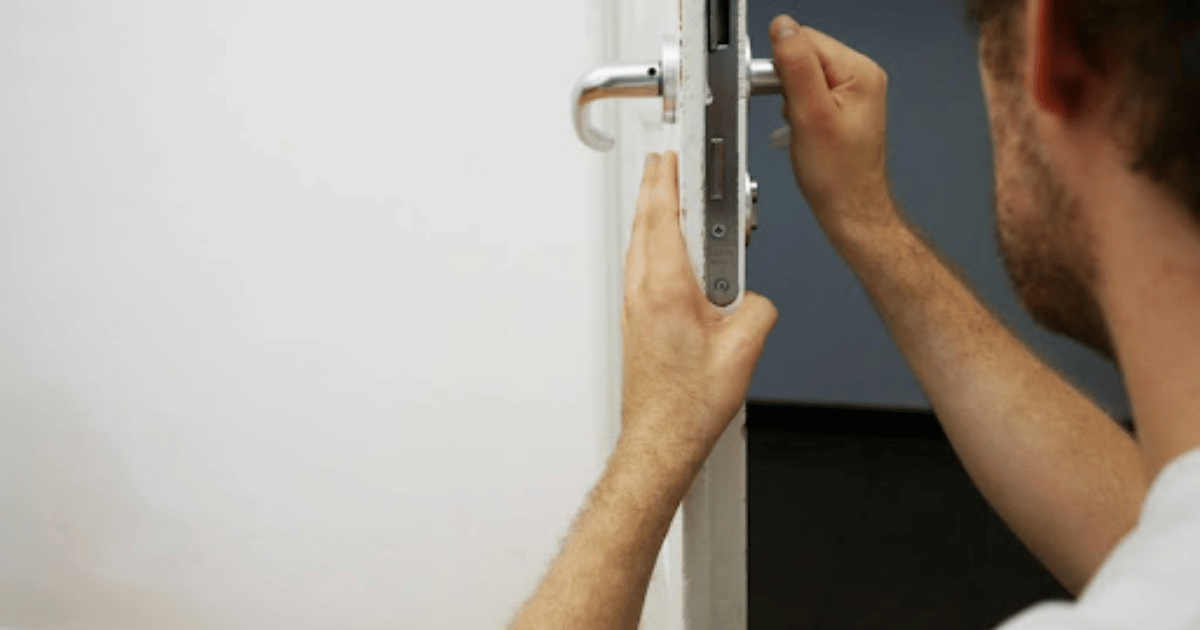
Try lubrication and a spare key yourself, but call a locksmith if the key still will not turn, the key has snapped, or the door is your only way in. Forcing a worn cylinder risks breaking the key inside the lock, which turns a small fix into a full lock replacement.
A professional carries the picks, spare cylinders, and keys to open and repair the lock without damaging the door in most cases. If you are locked out, or the cylinder has clearly worn out, an emergency lock repair visit will sort it safely on the spot. For your own protection, choose a locksmith approved by the Master Locksmiths Association, the trade body for the UK industry.
How much does it cost to fix a lock that won't turn in the UK?
Fixing a lock that won't turn costs from around £50 to £150 in the UK, depending on whether it needs cleaning, repair, or a new cylinder, and on the time of day. Emergency and out-of-hours visits cost more than planned daytime ones.
| Job | Typical UK cost (guide) |
|---|---|
| DIY graphite or silicone lubricant | £5-£15 |
| Locksmith labour, standard hours | £65-£96 per hour |
| Emergency or out-of-hours call-out | £85-£200 |
| Lock repair | £50-£100 |
| Replacement euro cylinder (part) | from £25-£35 plus labour |
| Opening a seized or jammed lock | from £100 |
These are guide prices. The final cost varies by lock type, location, time of day, parts, and complexity, so ask your locksmith to confirm the price before work starts. The same first checks apply to a padlock that will not open with the key. Be wary of anyone quoting a very low figure on the phone without first asking about your lock.
How to stop your key from sticking in future
Simple maintenance prevents most stuck-key problems. Lubricate each external lock with dry graphite or silicone every six months, keep the keyway clean, replace worn keys early, and fix a dropped door before it strains the cylinder.
A few habits keep your locks turning smoothly:
- Lubricate external locks with a dry, lock-safe product twice a year.
- Cut fresh keys from the original, not from a copy, every few years.
- Tighten loose handle and lock screws so the cylinder stays aligned.
- On exterior doors, choose a lock or cylinder standard that matches the door type, security need, and insurer wording. BS3621 is mainly relevant to suitable thief-resistant locks and insurance wording, not weather resistance.
Looked after this way, a good cylinder keeps a key turning cleanly for many years.
Frequently asked questions
Why has my key suddenly stopped working in the lock? A key that suddenly stops working points to dirt in the cylinder, a worn key, or a worn cylinder. Try a spare key and a dry lubricant first. If neither helps, the cylinder is likely worn and needs replacing.
Can I use WD-40 if my key won't turn? Avoid standard WD-40 inside a door lock. It works for a day, then the oily residue attracts dust and makes the lock stick worse. Use dry graphite powder or a silicone-based lock spray instead.
Why is my key hard to turn in the door? A key that is hard to turn points to a dry or dirty cylinder, light corrosion, or a worn key. A clean and a dry lubricant fixes most cases. Stiffness that returns quickly suggests the cylinder is wearing out.
Is it safe to force a stuck key? No. Forcing a stuck key can snap it inside the cylinder, which usually means a full lock replacement. Use gentle pressure with a dry lubricant, and stop if the key resists.
How long does a locksmith take to fix a lock that won't turn? Most stuck-lock repairs take under an hour. A clean and lubricate is quick, while a worn cylinder takes longer because the part has to be removed and replaced.
Get your key turning smoothly again
A key that won't turn in the lock is often a five-minute fix with a clean and a dry lubricant. The danger is forcing it, because a snapped key or a worn cylinder can leave you locked out and facing a full replacement. Sort it at the first sign of resistance and you keep both the cost and the stress low.
At Kingdom Locksmith, we clean and repair stiff and seized locks, replace worn cylinders, and get jammed doors open for homes and businesses across the UK, often on the first visit. Where a lock is simply old and seized, the safe next steps are worth reading before you force anything. Do not wait for the key to snap.
If the safe checks have not worked, book an emergency lock repair and get back through your door safely.