Frozen Door Lock: How to Thaw It Safely

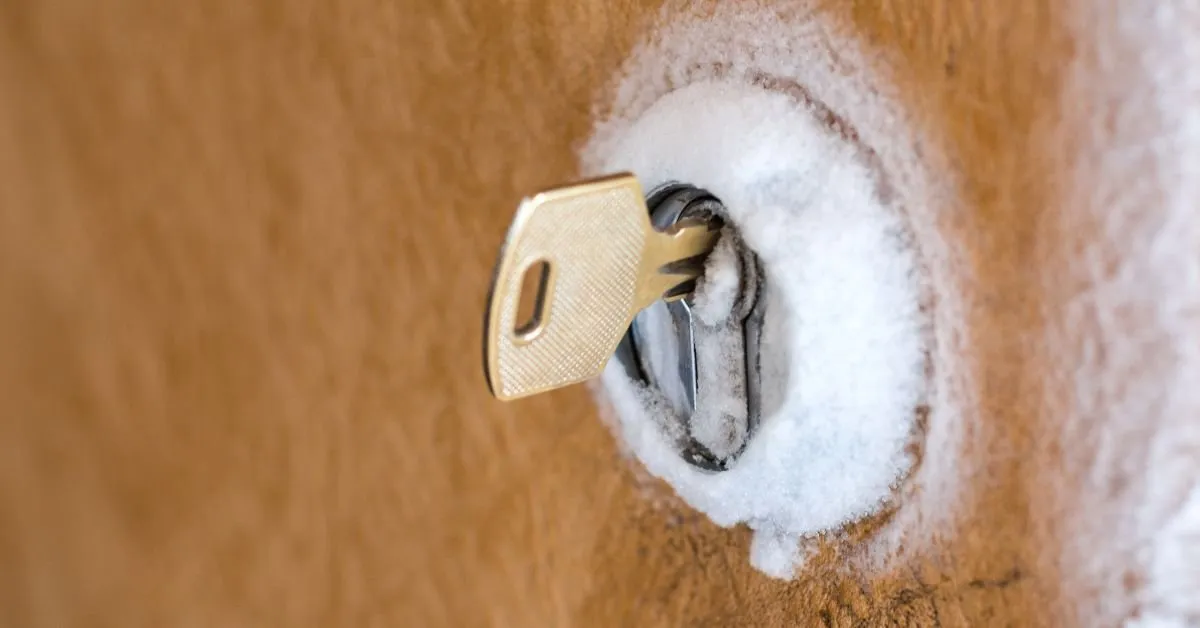
A frozen lock won't open because moisture inside the cylinder has frozen and seized the pins. Warm the key, or apply a little alcohol-based hand sanitiser to melt the ice. Never force the key.
A frozen door lock is a common winter call-out, and most cases clear in a few minutes with gentle warmth. The danger is the quick fixes that feel obvious but cause real damage, like boiling water or brute force. This guide explains why a frozen lock won't open, the safest ways to thaw a frozen lock, the methods to avoid, and how to stop the problem from returning overnight.
Why does a door lock freeze?
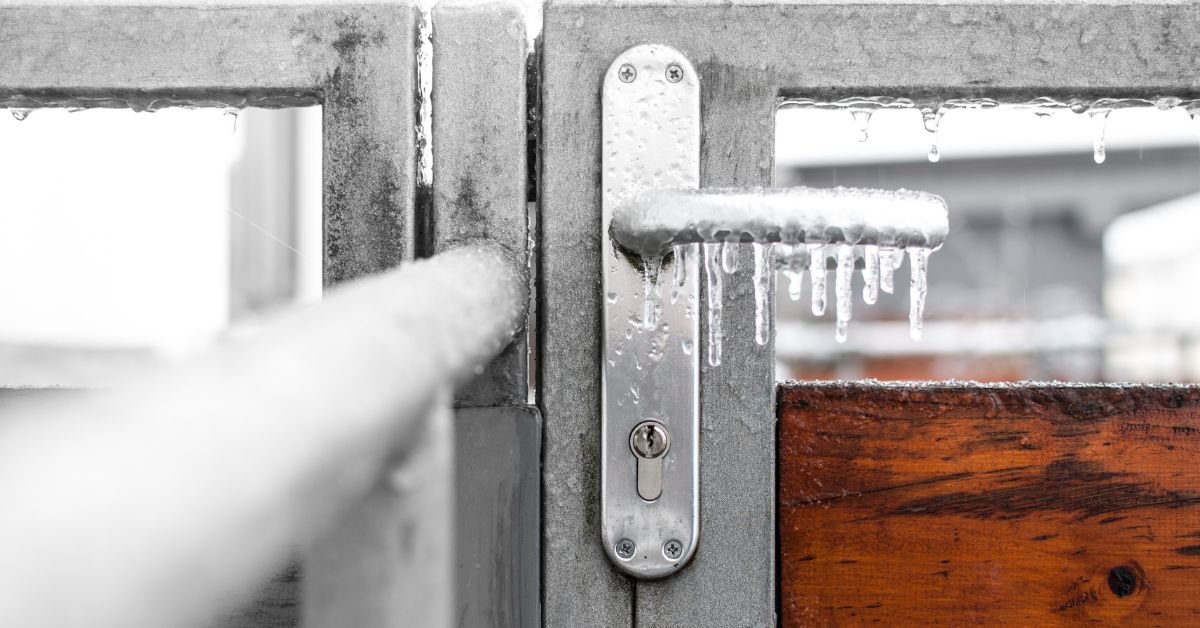
A frozen lock won't open when moisture inside the cylinder turns to ice during cold weather. The ice locks the pins and the cam in place, so the key will not turn. Condensation, rain, and damp air are the usual sources of that trapped moisture.
A lock cylinder is the barrel that reads the key and operates the locking mechanism. Inside it are tiny pins that must move freely for the key to work. When water gets into the cylinder and temperatures fall below freezing, the moisture turns to ice and locks those pins in place. That is why a frozen lock won't open on a cold morning even though it was working normally the day before.
Exterior doors freeze most because they face the weather directly. Knowing it is ice, not a broken lock, is the first step, because the fix is simply to melt it safely.
How to safely thaw a frozen door lock
You can thaw a frozen door lock in a few minutes without damaging it. Warm the key, melt the ice with alcohol-based hand sanitiser or a lock de-icer, or warm the cylinder gently with a hairdryer. Work slowly, and stop the moment the key turns freely.
A few things help, so keep them to hand in cold spells:
- An alcohol-based hand sanitiser or a dedicated lock de-icer
- A hairdryer, or a warm (not boiling) cloth
- A lighter or warm water to heat the key, not the lock
Then work through these methods in order:
- Warm the key. Heat the metal key with your hands, warm water, or a lighter for a few seconds, then slide it in to melt the ice from the inside.
- Apply alcohol. Put a little alcohol-based hand sanitiser or screen wash on the key and into the keyhole. Alcohol lowers the freezing point and melts ice fast.
- Use a lock de-icer. A dedicated de-icer spray does the same job and is worth keeping in the car or by the door.
- Warm the cylinder gently. Hold a hairdryer about 20cm away on a low setting, or press a warm cloth over the lock.
- Try the key with light pressure once the ice softens. Do not force it.
- Dry and lubricate the lock once it opens, so it does not refreeze.
Worked slowly, gentle warmth frees almost every frozen lock without harming the door.
What not to do with a frozen lock
Some quick fixes do more harm than good. Never pour boiling water over a frozen door lock, never hold a naked flame against a uPVC or composite door, and never force the key. Each of these can crack the door, damage the lock, or snap the key inside the cylinder.
Boiling water is the worst offender. It refreezes within minutes into a solid block, and the sudden heat can crack a uPVC panel or nearby glazing. A naked flame can melt or scorch a plastic door and is a fire risk. Forcing a frozen key puts all the strain on the weakest point, which is the key itself.
"The mistake we get called out to most in winter is boiling water on a frozen lock," says a Kingdom Locksmith locksmith. "It thaws for a minute, then refreezes harder, and on a uPVC door the sudden heat can crack the panel. Warm the key, not the lock, and let the ice melt slowly."
How to stop your door lock freezing again
Preventing refreezing comes down to keeping moisture out and the mechanism lubricated. After thawing a frozen lock won't open situation, dry the lock thoroughly and apply a silicone or dry graphite lubricant. These lubricants help repel moisture without attracting dirt or debris that could affect the lock's operation.
Build these habits before and during winter:
- Lubricate exterior locks with silicone or dry graphite before the cold sets in, never wet oil.
- Fit a keyhole cover or escutcheon to keep rain and snow out of the barrel.
- Keep a lock de-icer or alcohol gel handy during freezing spells.
- Wipe water off the door and lock after rain or washing down.
- Replace a worn weather seal so less damp reaches the lock.
A weather-resistant cylinder rated to British Standard BS3621 also stands up better to damp and cold on an exposed door.
When to call a locksmith for a frozen door lock
Call a locksmith if the lock stays frozen after thawing, the key has snapped, or you are locked out in freezing conditions. A lock that will not open after gentle warming may have an internal fault, and forcing it risks a costly repair or a key broken inside the cylinder.
Being stuck outside in the cold is more than an inconvenience, so do not keep straining the key. A professional can open the lock safely and check whether ice or a worn part is to blame. If you are stuck outside and the lock will not budge, fast frozen door lock help can get you back inside without damaging the door. The Master Locksmiths Association recommends choosing an approved, vetted locksmith for emergency call-outs. Costs vary by time of day and location, so ask for the price before work starts.
Frequently asked questions
Will hot water unfreeze a door lock?
Warm water on the key can help, but never pour boiling water on the lock. It refreezes within minutes and can crack a uPVC door or glazing. Warming the key or using alcohol is safer and works better.
Can I use hand sanitiser to thaw a frozen lock?
Yes. Alcohol-based hand sanitiser lowers the freezing point and melts ice in the cylinder. Put a little on the key and into the keyhole, wait a moment, then try the key gently.
Why does my lock keep freezing?
Trapped moisture is refreezing each night. Dry the lock, apply a silicone or dry graphite lubricant, and fit a keyhole cover. Replacing a worn weather seal also keeps damp away from the cylinder.
Is it safe to use a hairdryer on a frozen lock?
Yes, on a low setting and held about 20cm away. Warm the lock gradually and avoid overheating a uPVC or composite door, which can distort under direct, concentrated heat.
Can a frozen lock break?
Forcing a frozen lock can snap the key or damage the cam inside. The ice itself rarely breaks the lock if you thaw it gently and never apply force.
Beating the winter freeze
A frozen lock that won't open is almost always trapped moisture turned to ice, and gentle warmth with a little alcohol melts it in minutes. The golden rule is to warm the key, never force it, and never reach for boiling water, which refreezes fast and can crack a uPVC door. At Kingdom Locksmith, we help homeowners and businesses across the UK get into frozen, jammed, and seized locks safely, and we fit weather-resistant locks that stand up to a hard winter. Sort it the safe way and you protect both your lock and your door. If your lock stays frozen or you are locked out in the cold, get fast frozen door lock help and we will have you back inside.