Old Lock Seized and Won’t Turn: Safe Next Steps

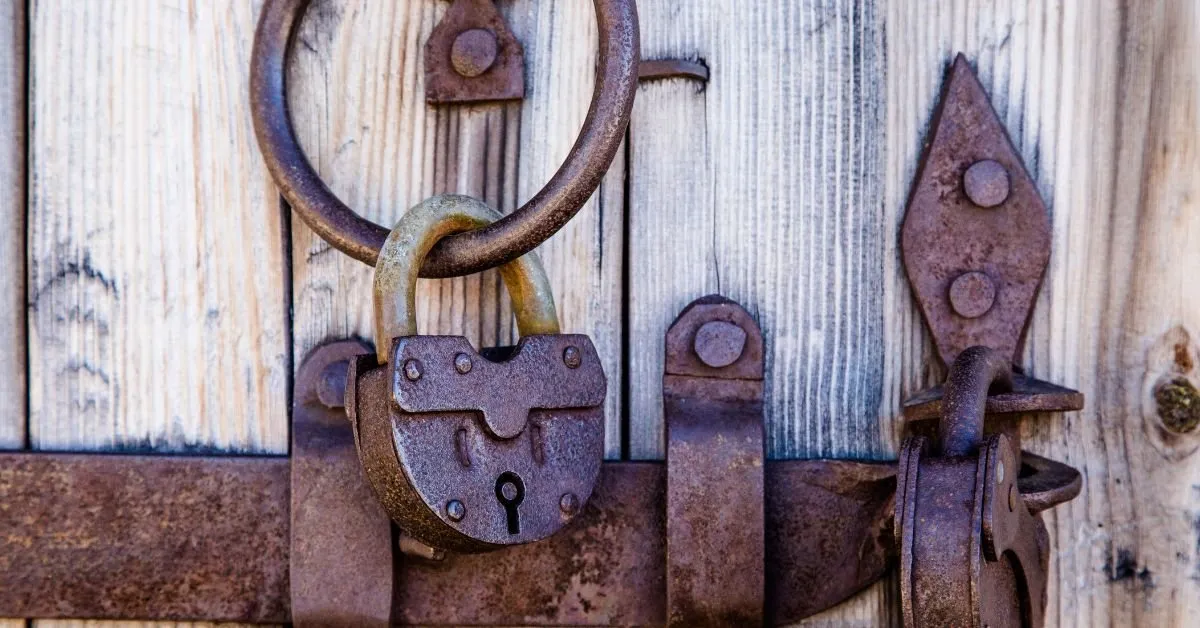
When an old lock will not turn, stop before extra force turns a manageable fault into a broken key or damaged mechanism. “Seized” describes the symptom, not a confirmed cause. Corrosion is possible, particularly on exposed hardware, but a worn key, pressure on the bolt, displaced door hardware or an internal failure can feel similar.
The safest response is to remove load where possible, make limited observations and follow maintenance instructions for the exact product. If the door is locked shut, insecure or part of a fire escape route, avoid dismantling it and arrange competent assessment. General information about door lock repair can help you describe the issue.
Stop forcing the key
Do not use pliers, an extension or repeated hard turns. A key that bends, shows a crack or starts to twist should be taken out and retired. If it is trapped, do not pull it sideways. Forcing the key can break it in the keyway and may damage parts that were previously recoverable.
Check that you have the correct key and compare it with an unworn authorised spare if one is available. Do not file, bend or reshape a key. A poor duplicate, damaged shoulder or worn cuts can prevent correct operation even when the lock itself remains serviceable.
Is the door loading the lock?
Without forcing anything, notice whether the symptom differs with the door open and closed, but only test this if the door is already open and cannot accidentally shut. Easier movement while open may indicate that the latch or bolt is meeting a keep under load. It does not prove alignment is the only issue, because an ageing mechanism can have more than one fault.
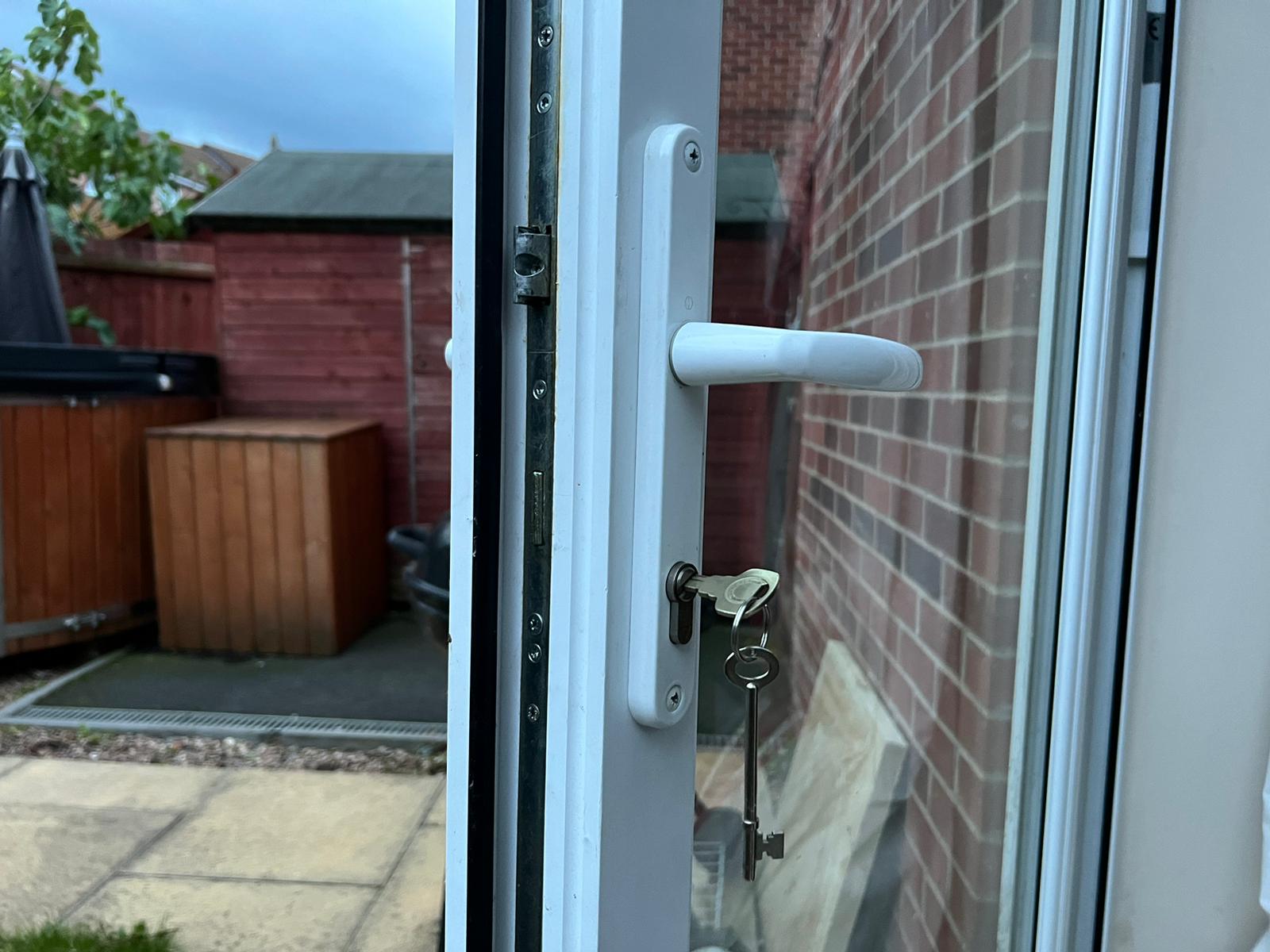
Look for loose handles or escutcheons, fresh scrape marks, a sagging door, movement at hinges, swelling or deterioration around the frame, and a keep that appears displaced. Do not randomly move hinges or keeps: adjustment can affect security, weather sealing and fire-door performance. Door or frame defects may require an appropriate door specialist rather than lock work alone.
Corrosion and contamination
Visible rust, staining or weather damage increases concern about corrosion but does not reveal the condition inside. Surface deposits around the keyway should not be scraped into the lock. Do not soak the cylinder or case, mix products, use cooking oil, or assume a general penetrating fluid is suitable. Some products attract debris, harm finishes or conflict with the manufacturer’s instructions.
Identify the manufacturer and model from markings, documents or an intact matching lock. Use only the maintenance method and product expressly specified for that exact lock, in the stated amount and location. If guidance cannot be identified, leave internal treatment to a locksmith or the manufacturer. Maintenance is not a repair for fractured, badly corroded or internally worn parts.
What an assessment should cover
A competent inspection may consider:
- the condition and correctness of the key;
- the cylinder, keyway or other key-operated component;
- handles, spindle, escutcheons and fixings;
- latch or bolt movement and its relationship with the keep;
- hinges, door position, frame condition and weather exposure; and
- internal wear, breakage or corrosion where safe access permits.
Different older locks use different internal arrangements. A rim night latch, mortice lock and cylinder-operated multipoint system should not be treated as the same mechanism. If the door is locked closed, the first task may be authorised access; see the scope of a locked-out service. Non-destructive methods may be considered where suitable, but no method or outcome can be selected from the symptom alone.
Repair, maintenance or replacement?
Age alone does not decide the answer. A sound lock affected by correctable door load may need alignment work rather than replacement. Serviceable hardware may respond to manufacturer-approved maintenance. By contrast, substantial corrosion, internal damage, unreliable operation, unavailable compatible parts or unsuitable specification may support replacement.
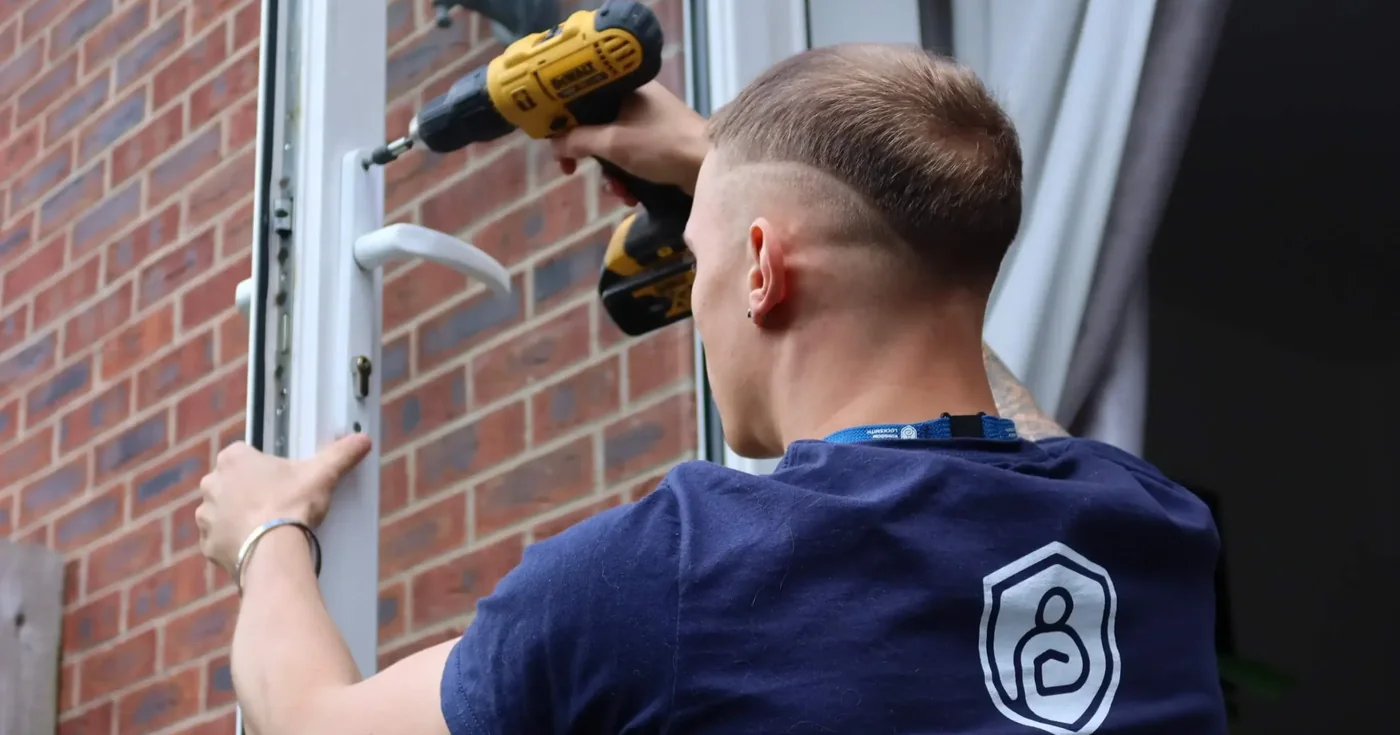
The decision depends on inspection, the doorset and the lock’s intended use. Any replacement must match relevant dimensions, handing, door preparation and connected hardware. Security, fire-door and insurance requirements may also matter. The lock replacement service explains the category without implying that every seized lock needs a new unit.
Until the fault is resolved, do not rely on a lock that operates only intermittently. Keep an alternative safe exit available and do not leave a property unsecured. For an inspection request, use the contact page and provide the door material, lock markings, whether the door is open or closed, and exactly what the key and handle do.