Key Stuck in the Lock and Won't Come Out

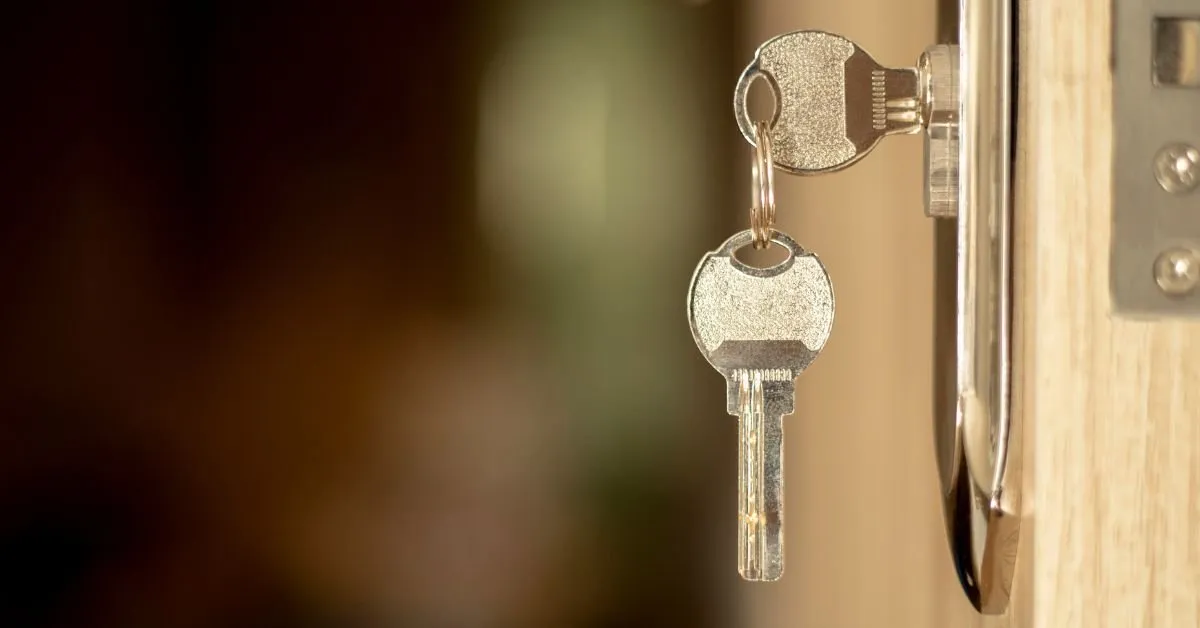
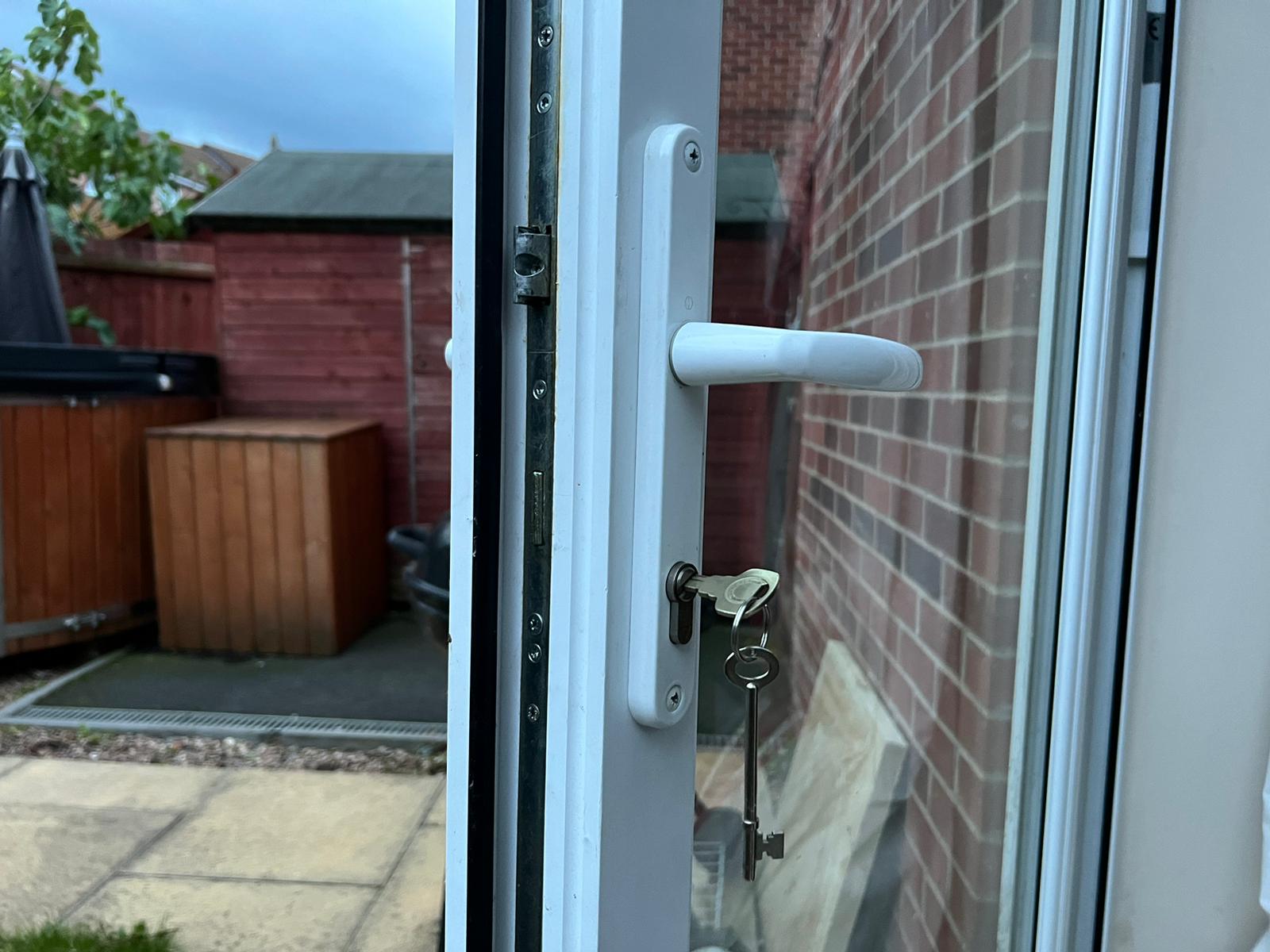
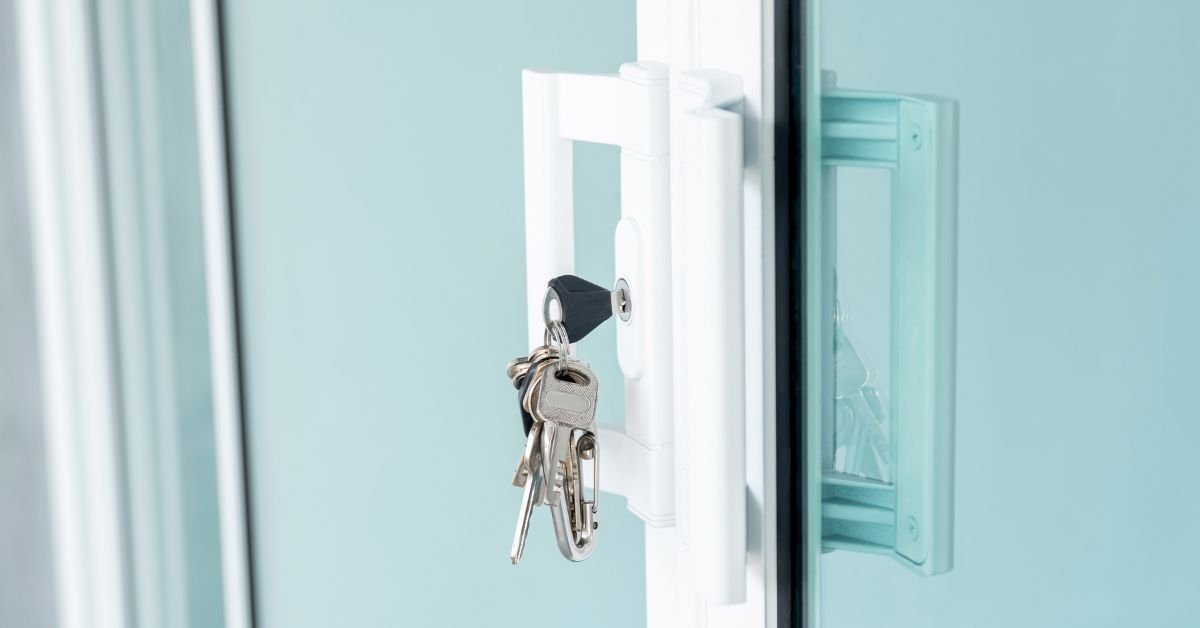
A key stuck in door lock usually comes out once you turn it back to the upright position and pull gently. If it stays stuck, dirt, a worn cylinder, or a bent key is trapping it.
A stuck key is one of the most common lock problems, and most cases come free without any damage. The mistake that costs people money is yanking the key or reaching for pliers, which snaps it inside the lock. This guide explains why keys get stuck, how to remove one safely, what to do if it has snapped, and when the job needs a locksmith.
Why do keys get stuck in the lock?
A key stuck in door lock when it is not turned back to the upright position, or when something inside grips it. The common causes are a key left slightly turned, dirt and grit in the cylinder, a dry mechanism, a worn or bent key, or worn pins inside the lock.
A lock cylinder holds spring-loaded pins that grip and release the key. The key only slides out when it sits upright and the pins drop back into line. Anything that holds a pin up, or bends the key, traps it in place.
| Cause | What is happening |
|---|---|
| Key left slightly turned | The cut does not line up, so the key cannot slide out |
| Dirt and grit in the cylinder | Debris holds the pins up and grips the key |
| Dry, unlubricated mechanism | Pins bind against the key without lubrication |
| Worn or bent key | A damaged key catches inside the keyway |
| Worn pins or springs | A pin sticks up and traps the key |
| Door under tension | A dropped door puts pressure on the cylinder |
Matching your situation to the table shows whether a gentle wiggle will free the key or whether the lock itself is worn.
How to get a stuck key out without breaking it
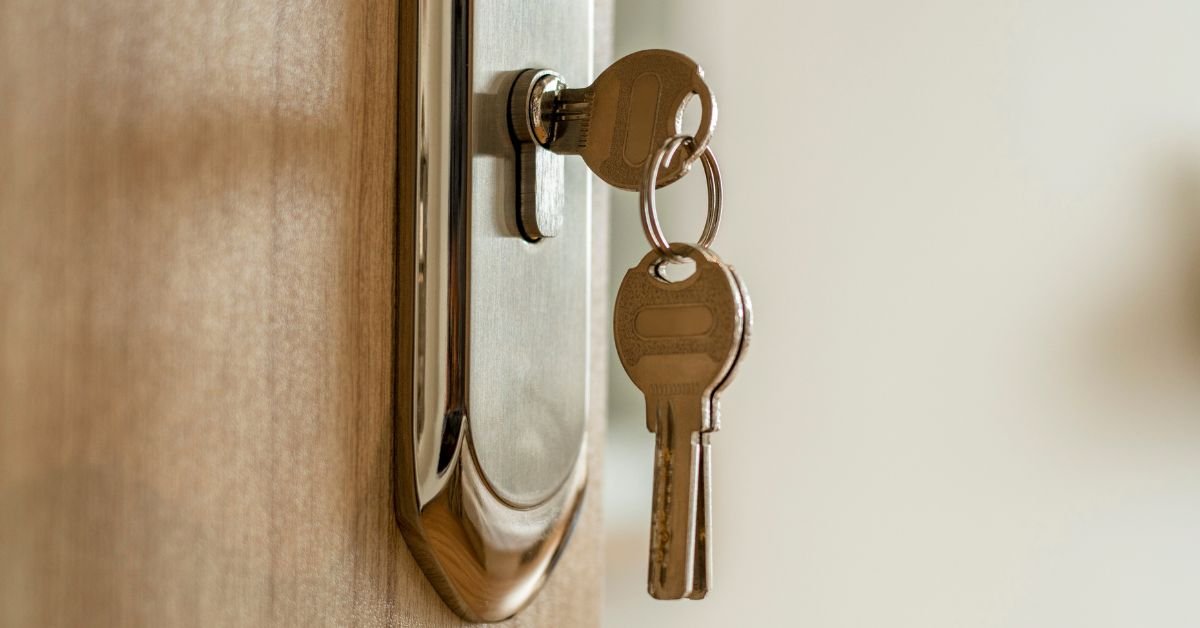
You can free most stuck keys without snapping them. Turn the key back to the upright position, apply a dry lubricant, then jiggle it gently while pulling straight out. Keep the pressure light and steady. Never yank the key or grip it with pliers, because that snaps it.
Work through these steps:
- Turn the key to upright. A key only releases at the neutral position, so gently rock it back to vertical.
- Pull straight, not at an angle. Hold the key by the bow and pull in line with the keyway.
- Lubricate. Puff dry graphite or spray silicone (PTFE) around the key and into the keyhole.
- Jiggle gently. Wiggle the key up and down a little while keeping light outward pressure.
- Ease the door. If the door is shut and under tension, push or pull it to relieve the cylinder, then try again.
- Stop if it resists. If the key still will not come out, the cylinder is likely worn and needs a locksmith.
A few things to avoid:
- Do not yank hard or twist, which snaps the key inside the lock.
- Do not grip the key with pliers and wrench it.
- Do not flood the lock with standard WD-40, which attracts dirt and makes it worse.
"Nine times out of ten a stuck key just is not turned back to upright," says a Kingdom Locksmith locksmith. "We rock it gently to centre, add a dry lube, and it slides out. The damage we get called to is from people yanking with pliers and snapping the key inside the cylinder."
What if the key has snapped in the lock?
If the key has snapped off in the lock, stop and do not push the broken piece further in. You can sometimes grip the exposed end with fine tweezers or a broken-key extractor and pull it straight out. If the break is flush or deep, a locksmith can remove it without damaging the lock.
A little dry lubricant in the keyhole helps the broken section slide out. Pull straight, in line with the keyway, and never try to turn the broken piece. Avoid superglue, which is a popular myth that usually bonds the broken key to the pins and ruins the cylinder.
Once the broken piece has been removed, have a new key cut from your spare key or the original manufacturer's key rather than from another copy. This helps ensure the new key is accurate and reduces the chances of future problems with a key stuck in door lock.
When should you call a locksmith?
Call a locksmith if the key will not come out after lubricating, the key has snapped flush, or you are locked out. A key jammed by a worn cylinder needs the lock opening and often replacing, and forcing it risks turning a small job into a full lock change.
A stuck key on your only entry door is more than an inconvenience, so do not keep straining it. The Master Locksmiths Association recommends using an approved, vetted locksmith, who can extract the key and check the cylinder. Key extraction or repair in the UK typically costs from £50 to £100, with a replacement cylinder from around £25 for the part plus labour. Prices vary by lock type, location, and time of day, so ask before work starts. If the key is stuck fast or has snapped, fast stuck key help can remove it and get your lock working without damaging the door.
Frequently asked questions
Why won't my key come out of the lock?
The key is usually not turned back to upright, so the cut does not line up with the pins. Dirt or a worn cylinder can also grip it. Turn the key to vertical, add a dry lubricant, and pull gently.
How do I get a stuck key out of a lock?
Turn the key to upright, apply dry graphite or silicone, then jiggle it up and down while pulling straight out. Keep the pressure light. Do not yank it or use pliers, which snaps the key.
Can I use WD-40 to free a stuck key?
Avoid standard WD-40 inside the lock. It eases the key briefly, then the oily residue attracts dust and makes sticking worse. Use a dry graphite powder or a silicone-based lock spray instead.
My key snapped in the lock, what do I do?
Do not push the broken piece further in. Grip the exposed end with tweezers or a broken-key extractor and pull straight out. If the break is flush, call a locksmith rather than drilling it yourself.
Why does my key keep sticking in the lock?
Recurring sticking points to a worn cylinder or a worn key. Replace the failing part before it traps the key for good or leaves you locked out.
Getting your stuck key out the safe way
A key stuck in a door lock is usually nothing more than a key left slightly turned, and a gentle rock back to upright with a dry lubricant frees most of them. The golden rule is patience: never yank the key or reach for pliers, because a snapped key turns a free fix into a lock change. At Kingdom Locksmith, we remove stuck and snapped keys, free seized cylinders, and replace worn locks for homes and businesses across the UK, often on the first visit. Acting calmly and early keeps both your key and your lock intact. If the key will not budge or has snapped, get fast stuck key help and we will have you back in safely.