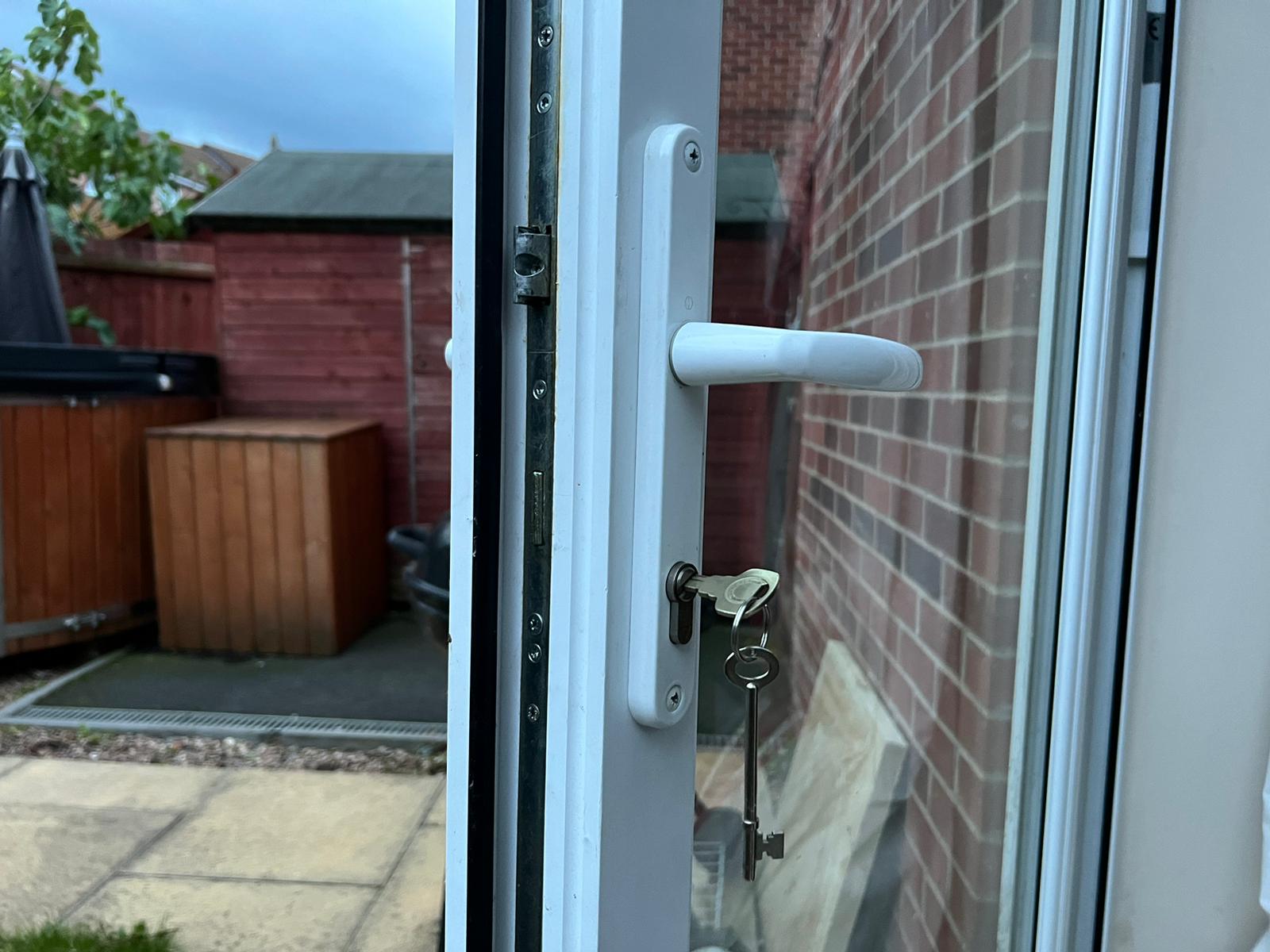
Deadbolt Won't Extend or Retract: Causes

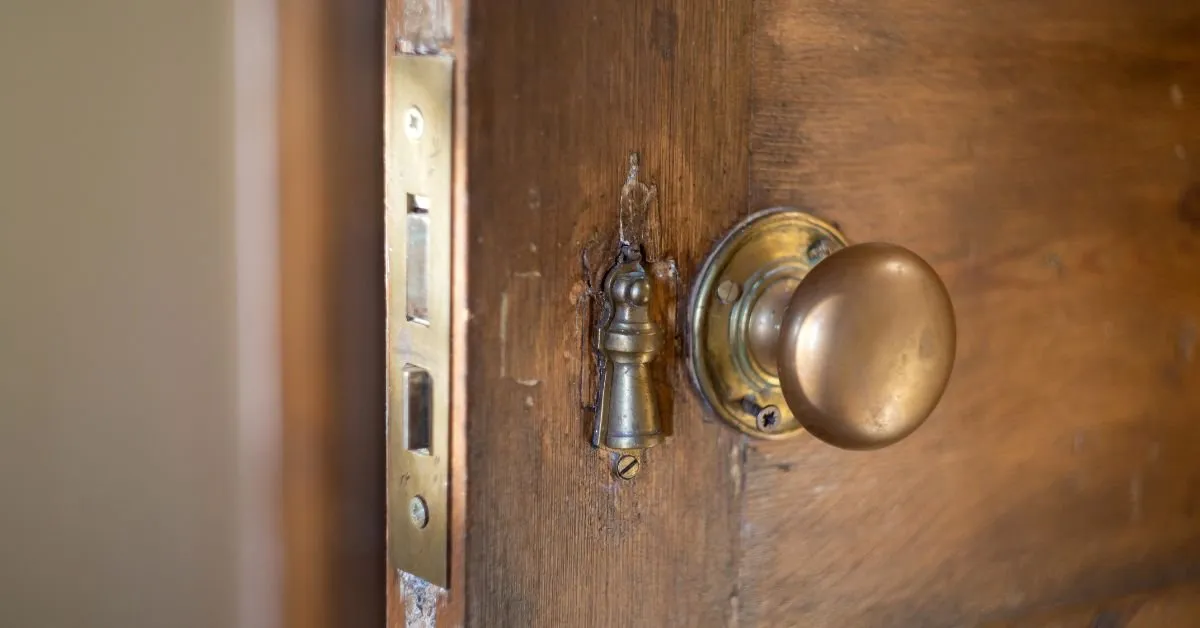
A deadbolt stuck won't extend or retract is usually blocked by a misaligned strike plate, a dropped door, or a worn mechanism. Ease the door to take pressure off the bolt, then check the alignment. Never force the key or thumbturn.
A jammed deadbolt is a common fault, and most cases come down to alignment rather than a broken lock. The risk is forcing it, which snaps keys and breaks the bolt mechanism. This guide explains why a deadbolt stuck won't extend, how to fix the strike-plate alignment, and when a stuck deadbolt needs a locksmith.
Why won't my deadbolt extend or retract?
A deadbolt stuck won't extend when something prevents the bolt from sliding cleanly into or out of the strike plate. The common causes are a misaligned door, a strike plate that no longer lines up, a dropped door binding the bolt, dirt or dryness in the mechanism, or a worn cylinder or thumbturn.
A deadbolt is a square-ended bolt thrown by a key or thumbturn, and it gives a door its main locking strength. Unlike a sprung latch, it does not move when you turn the handle. It only extends or retracts when the key or thumbturn is turned, so anything that binds the bolt or prevents it from lining up with the keep can leave a deadbolt stuck won't extend.
| Symptom | Likely cause |
|---|---|
| Bolt won't extend with the door open | Worn mechanism or dry, dirty bolt |
| Bolt won't extend only when shut | Strike plate or door out of alignment |
| Bolt won't retract to open | Door under pressure, or worn cylinder |
| Bolt grinds or sticks part way | Dirt, dryness, or a failing mechanism |
| Thumbturn or key spins freely | Worn cam or internal fault |
Matching your symptom to the table shows whether you have an alignment fix or a worn mechanism.
Why does the bolt stick?
The deadbolt stuck won't extend because it is binding against the strike plate, or because the mechanism that drives it has worn or dried out. If the bolt extends freely with the door open but jams when the door is shut, the fault is alignment, not the lock.
A strike plate is the metal plate on the door frame with a hole that receives the bolt. When the door drops on its hinges or swells in damp weather, the bolt no longer meets that hole squarely. It then catches on the edge of the plate or the frame, and the extra friction makes the key or thumbturn feel stiff or stuck.
Inside the lock, a dry or worn mechanism adds its own drag. Years of grit and no lubrication leave the bolt sluggish, and a worn cylinder or thumbturn can stop driving the bolt fully. Knowing whether the bolt or the frame is at fault is the key to diagnosing why a deadbolt stuck won't extend and deciding the correct next step.
How do you fix strike-plate alignment?
You can often fix a deadbolt stuck won't extend by correcting the strike-plate alignment so the bolt lines up properly with the hole in the plate. Mark where the bolt is making contact, then adjust the strike plate, hinges, or keep as needed until the bolt slides in smoothly. Lubricate the bolt and tighten any loose screws while you are there to help prevent the deadbolt stuck won't extend problem from returning.
Work through these steps:
- Test with the door open. Throw the bolt with the door open. If it works freely, the lock is fine and the door or strike plate is misaligned.
- Ease the door. If the bolt sticks when shut, lift or push the door slightly while turning the key to take pressure off.
- Mark the contact point. Smear a little lipstick or marker on the bolt, throw it against the plate, and see where it hits.
- Adjust the strike plate. Loosen its screws and reposition it, or file the hole slightly so the bolt enters cleanly.
- Check the hinges. A dropped door often needs the hinges adjusting or tightening to lift the bolt back into line.
- Lubricate. Apply dry graphite or a silicone (PTFE) spray to the bolt and keyway.
- Stop if it still jams. A worn cylinder or broken mechanism needs a locksmith.
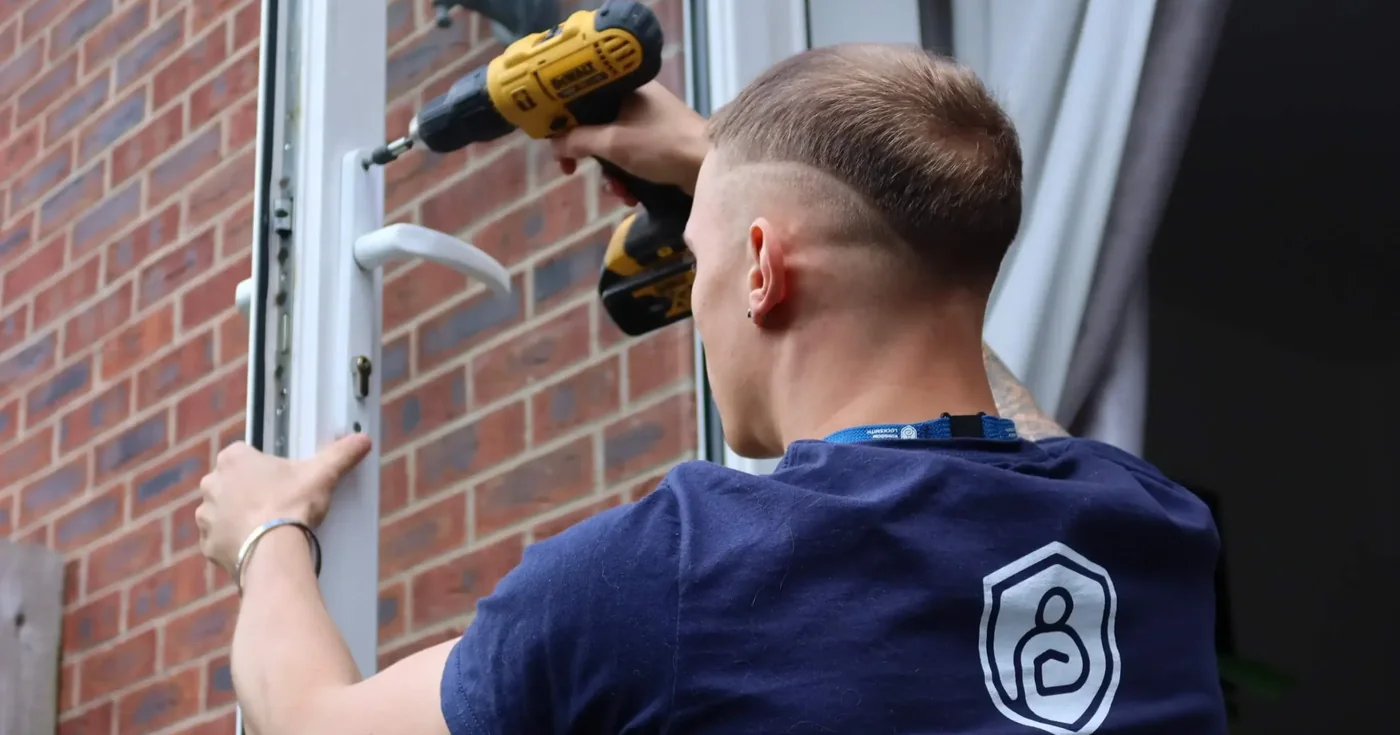
"On the tools, the fault we see most with a stuck deadbolt is a door that has dropped a few millimetres," says a Kingdom Locksmith locksmith. "The bolt catches the edge of the strike plate instead of the hole. We realign it rather than replace a perfectly good lock."
Should you repair or replace a jammed deadbolt?
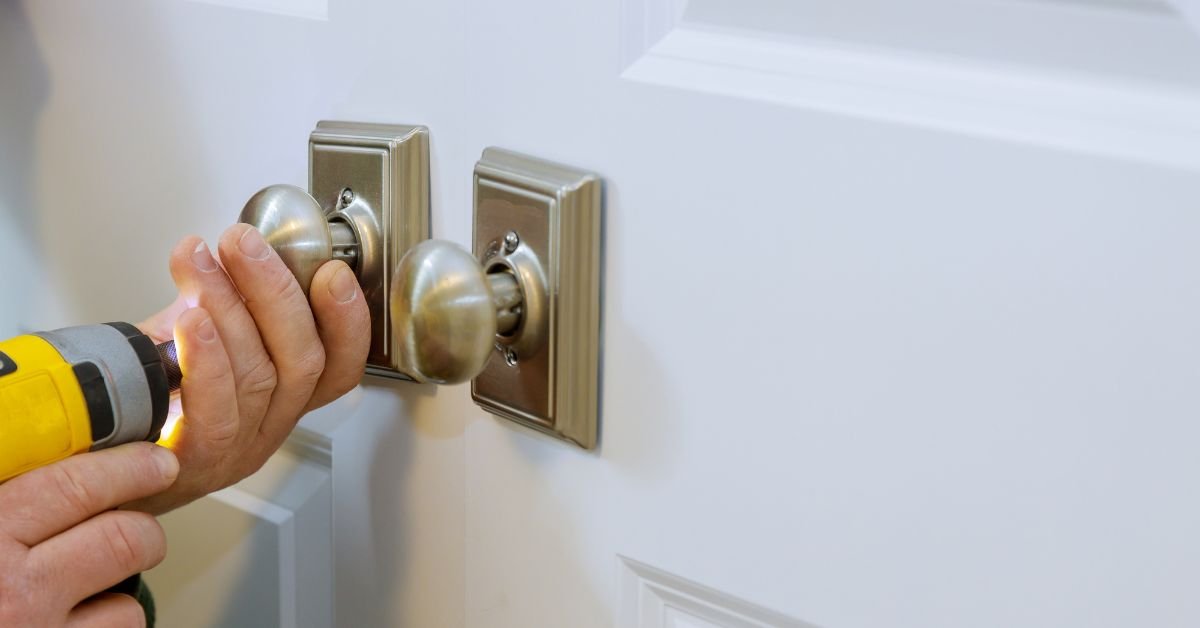
Repair a deadbolt if alignment and lubrication free it and the mechanism still works. Replace it if the cylinder or thumbturn has worn, the bolt is damaged, or the lock keeps jamming. Replacement is inexpensive and a good moment to fit an insurance-approved BS3621 lock.
Alignment faults are nearly always worth fixing, because the lock itself is sound. A worn mechanism is different, since no amount of adjustment restores a stripped cam or a bent bolt. When you do replace it, a deadlock to British Standard BS3621 meets the requirement most home insurers set for final exit doors.
| Job | Typical UK cost (guide) |
|---|---|
| Strike-plate or hinge adjustment | from £50-£96 (labour) |
| Deadbolt or lock repair | £50-£100 |
| BS3621 deadlock or cylinder (part) | £20-£60+ |
| Locksmith labour, standard hours | £65-£96 per hour |
| Emergency or out-of-hours call-out | £85-£200 |
These are guide prices and vary by lock type, location, and time of day, so ask before work starts. If the bolt still sticks or the mechanism is worn, a professional deadbolt repair can realign or replace it and fit a lock that meets insurance requirements.
When should you call a locksmith?
Call a locksmith if the deadbolt stuck won't extend after alignment and lubrication, the key has snapped, or the bolt is stuck out and the door will not open. A bolt that will not retract can lock you out or leave the door unsecured, and forcing it risks a broken key or a damaged mechanism.
A jammed deadbolt on a final exit door is a security and safety issue, so do not keep forcing it. The Master Locksmiths Association recommends using an approved, vetted locksmith, who can free or replace the bolt without damaging the door. Acting at the first sign of a deadbolt stuck won't extend problem helps keep the repair simple and prevents further damage.
Frequently asked questions
Why won't my deadbolt extend?
The bolt is binding on the strike plate or the door has dropped, so it cannot slide into the hole. A dry or worn mechanism can also stop it. Test it with the door open to tell which it is.
Why won't my deadbolt retract to open the door?
The door is under pressure against the frame, or the cylinder or thumbturn has worn. Ease the door while turning the key. If it still will not retract, the mechanism needs checking.
How do I fix a deadbolt that won't line up?
Mark where the bolt hits the strike plate, then reposition the plate or adjust the hinges so the bolt meets the hole. Lubricate the bolt and tighten loose screws.
Can I use WD-40 on a sticking deadbolt?
Avoid standard WD-40 inside the lock. It frees the bolt briefly, then the oily residue attracts grit. Use a dry graphite or silicone lubricant instead.
Is a jammed deadbolt a security risk?
Yes. A bolt stuck open leaves the door unsecured, and a bolt stuck out can lock you out. Sort it promptly, and replace a worn lock with a BS3621 model.
Getting your deadbolt moving freely again
A deadbolt that won't extend or retract is nearly always a misaligned strike plate or a dropped door, not a broken lock, and a careful realignment frees most of them. Acting early matters, because forcing a jammed bolt snaps keys and can leave your door unsecured overnight. At Kingdom Locksmith, we realign dropped doors, adjust strike plates, and repair or replace worn deadbolts for homes and businesses across the UK, often on the first visit. Catch a sticking bolt before it seizes and you keep both the cost and the hassle down. If the bolt still will not move, book a deadbolt repair and have it sorted properly.