How Long Does an Emergency Locksmith Take? What to Expect

Lockouts and break ins rarely happen at a convenient moment, and the first question most people ask is how long an emergency locksmith will take to arrive.
Across the UK, emergency locksmiths typically reach urban addresses in around 20 to 30 minutes. In suburban and rural areas, longer travel distances and traffic can stretch the wait to 45 minutes or more.
Once on site, a locksmith uses tools matched to your lock type to regain entry and secure the property. The overall job time depends on several factors, including the complexity of the lock, the weather and how many locks need attention.
This guide from Kingdom Locksmith breaks down typical arrival and job times across the industry, the factors that influence them and what you can do to get help sooner.
How Long Does It Take to Fix Different Lock Issues?
Job time matters as much as arrival time. Here are the typical ranges for the most common lock jobs across the UK.
| Service | Typical time |
|---|---|
| Simple lockouts (home or car) | 10 to 30 minutes |
| Lock repairs or replacements | 20 to 60 minutes |
| Lost or stolen keys | 30 to 45 minutes |
| Burglary repairs | 30 minutes to over an hour |
| Electronic and smart lock work | 45 minutes to 2 hours |
| Safe opening and repairs | 30 minutes to 2 hours |
| uPVC door and window lock repairs | 30 to 60 minutes |
| Key cutting and duplication | 5 to 15 minutes per key |
| Emergency boarding up | 30 minutes to an hour |
Simple lockouts (home or car)
A straightforward lockout is usually resolved in 10 to 30 minutes. The locksmith uses non destructive entry tools to open the door without damaging the lock. High security cylinders can take a little longer, but for most doors you are back inside with the lock untouched and the rest of your day intact.
Lock repairs or replacements
Repairing or replacing a standard lock takes roughly 20 to 60 minutes. The locksmith inspects the lock, removes it and fits a replacement where one is needed. Mortice and multipoint locks sit at the top of that range, and the job should always end with the new lock being tested through its full operation.
Lost or stolen keys
If your keys are lost or stolen, a locksmith can usually rekey or replace the affected locks in 30 to 45 minutes. Rekeying gives you a fresh set of keys and makes the old ones useless. If the lock is worn, or you want to upgrade security at the same time, a full replacement may be the better option.
Burglary repairs
After a break in, the priority is making the property secure again. Depending on the damage, this takes from 30 minutes to well over an hour. The locksmith repairs or replaces the damaged locks, may reinforce the door or frame, and can advise on hardware that makes a repeat attempt much harder.
Electronic and smart lock work
Fixing or installing an electronic lock takes around 45 minutes to 2 hours. The system has to be fitted, programmed and tested function by function, and if it connects to an app or an alarm the setup takes longer. Expect a walkthrough of the controls before the locksmith leaves.
Safe opening and repairs
Safe work varies more than most jobs, anywhere from 30 minutes to 2 hours depending on the type and security rating. Digital safes may need a code reset or a new keypad, while mechanical safes call for slow, careful work to avoid damaging the mechanism or the contents.
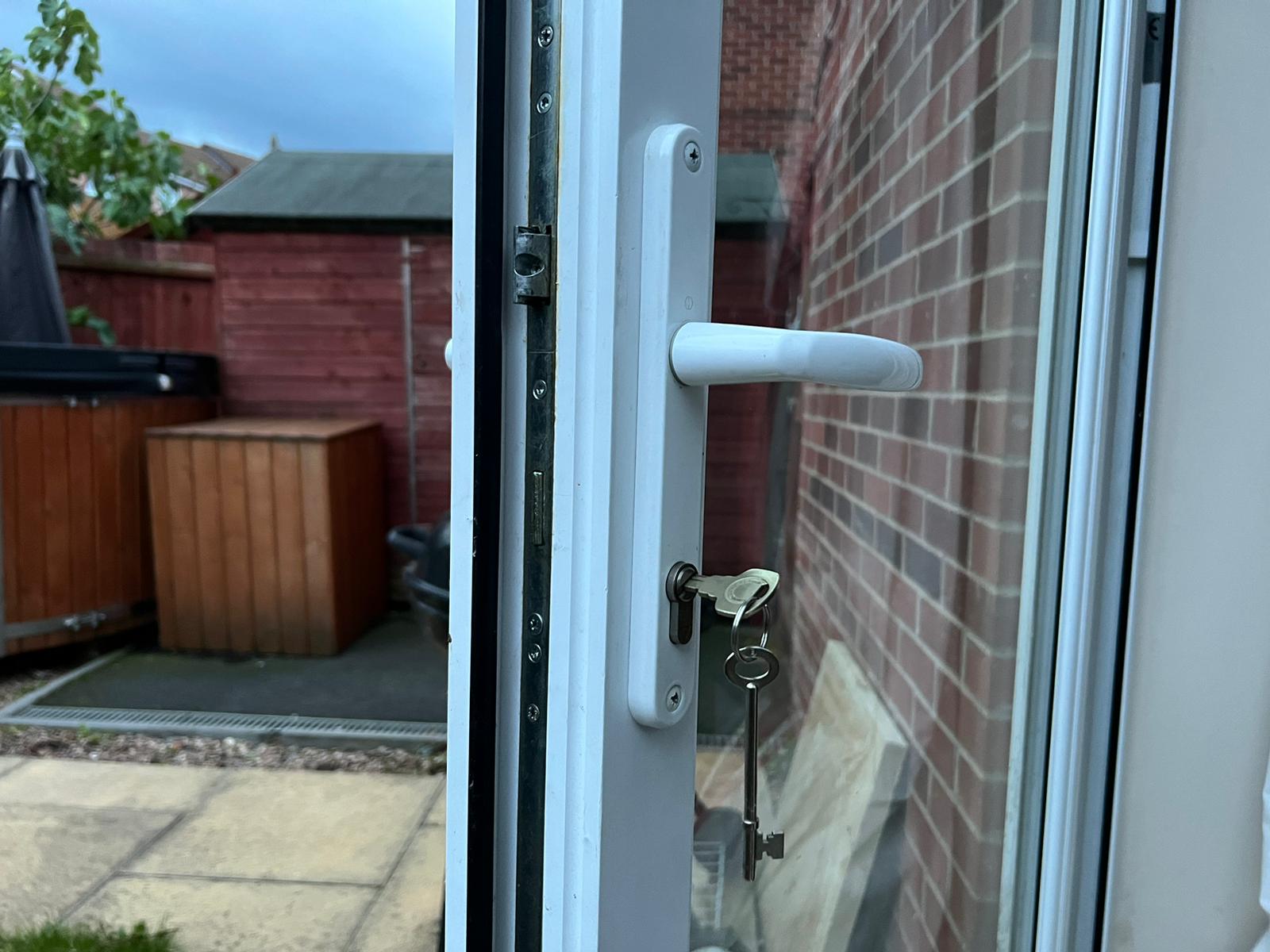
uPVC door and window lock repairs
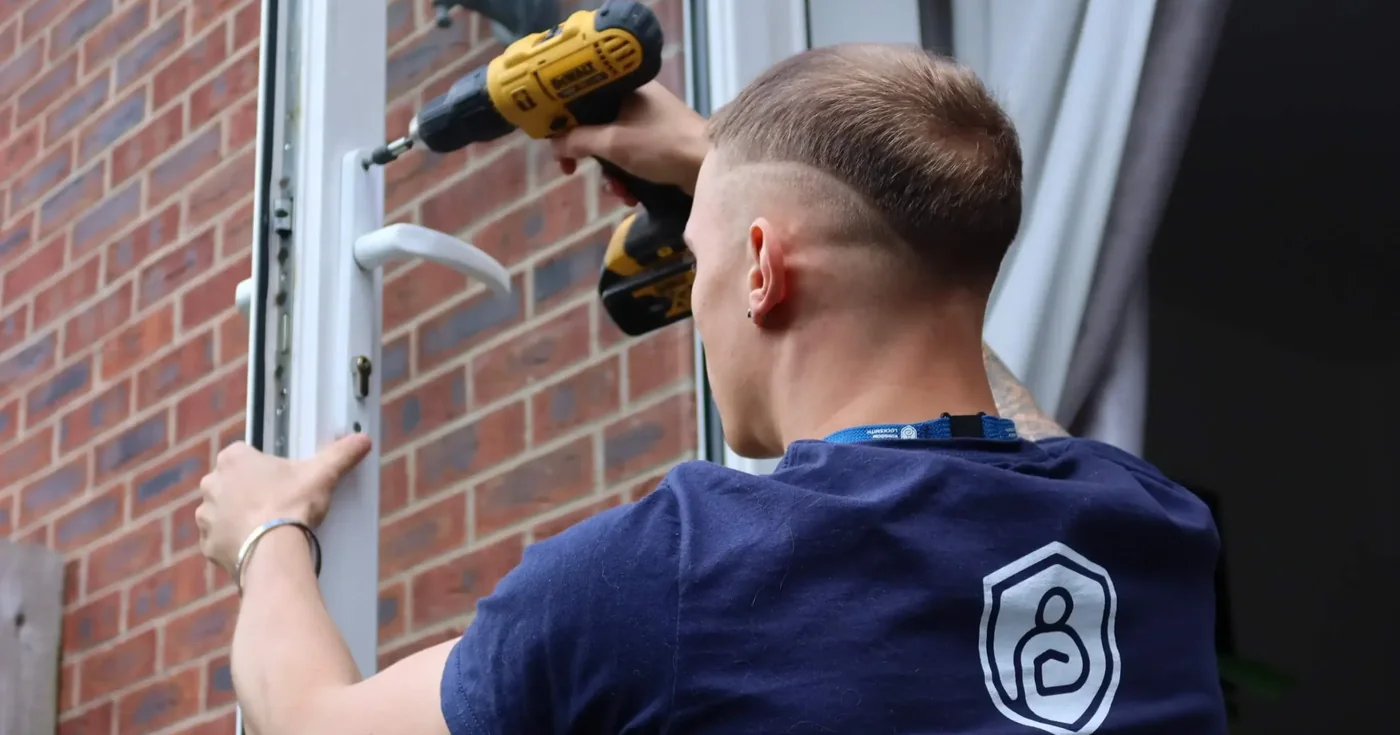
uPVC doors and windows usually run multipoint locking systems, and repairs take 30 to 60 minutes. The locksmith checks the mechanism, replaces any faulty parts and adjusts the alignment, so the door or window ends up locking securely and moving smoothly.
Key cutting and duplication
Extra keys can be cut on site in 5 to 15 minutes per key using precision cutting equipment. High security or patented keys may take longer or need special blanks, which sometimes have to be ordered in.
Emergency boarding up
After a break in or a smashed window, boarding up secures the opening until permanent repairs can be arranged. It typically takes 30 minutes to an hour, depending on the size and number of openings involved.
Typical Emergency Locksmith Arrival Times by City
!Typical emergency locksmith arrival times across UK cities
Arrival times vary from city to city, mainly with how many locksmiths cover the area and how heavy the traffic is. In Coventry, a locksmith typically arrives within 25 to 35 minutes, though heavy traffic or a late night call can push that towards an hour.
Birmingham has a large pool of locksmiths, so waits of 20 to 30 minutes are common, which makes it one of the quicker cities for emergency cover. In Derby and Burton, locksmiths tend to cover wider patches, so 30 to 45 minutes is a more realistic expectation.
In Nottingham, arrival inside half an hour is typical, stretching to 45 minutes at peak times or weekends. Bournemouth generally sees 30 to 45 minutes, shaped by coastal traffic and a smaller pool of locksmiths than the big cities. These figures are industry norms rather than promises from any one firm, but they help you set expectations while you wait.
Why Established Emergency Locksmiths Tend to Arrive Sooner
When you are locked out, the wait matters. Professional emergency locksmiths tend to reach you sooner than a lone operator, for a few practical reasons.
Coverage across the area
Larger firms position locksmiths across different parts of a city rather than working from a single base. Someone is usually already nearby, so you are not waiting for a van to cross town. In busy areas, more people on call means shorter waits.
Cover through the night and on holidays
Lock emergencies ignore business hours. Many established firms keep engineers on shift overnight, at weekends and on bank holidays, so a call at 3am still gets answered and attended. It is worth asking any locksmith you ring whether they genuinely staff the phone out of hours or divert to a call centre.
The right tools and training
Professionals invest in current tools and keep up with new lock technology, carrying equipment for everything from traditional mortice locks to smart systems. That training shows in the work. Fewer wrong turns, and less time spent at your door.
Organised dispatch
When you call an established firm, your details go to a dispatcher who can see where each locksmith is and sends the closest one. That cuts out confusion and shortens the wait. A good firm will also give you an expected arrival time when you book, so you know when help is due.
Experience with common problems
A locksmith who has seen every variety of snapped key, jammed mechanism and lost key situation knows the most direct route to a fix. That experience means fewer trial and error attempts and a shorter visit.
Traffic and route planning
Professionals use GPS and live traffic data to pick the best route, steering around roadworks and congestion. In cities like Birmingham and Coventry, that planning makes a real difference to how soon they pull up outside.
When to Call an Emergency Locksmith
Lock problems do not keep office hours, and knowing when a situation justifies an emergency call saves you time and stress. Call an emergency locksmith urgently in these situations:
- Locked out of your home or car: a lockout leaves you exposed to the weather and, late at night, to genuine safety concerns. A locksmith restores access without damaging the door.
- Broken or damaged locks: a jammed or broken lock leaves the property unprotected until it is repaired or replaced.
- Burglary or forced entry: after a break in, the property is at its most vulnerable. Doors and windows need securing before anything else, to prevent further damage or theft.
- Lost or stolen keys: if someone else may have your keys, rekeying or replacing the locks removes the risk of unauthorised entry.
- A failed electronic or smart lock: when a digital lock fails, you lose control of your own security. A locksmith can repair or bypass the system and restore safe access.
- A key snapped inside the lock: a broken key blocks the mechanism entirely. A locksmith extracts the fragment and can usually restore the lock without further damage.
How to Get Help to Your Door Sooner
How you make the call affects how soon help arrives. A few habits speed things up:
- Give the exact address, including the building number, floor and any useful landmarks, so the locksmith is not hunting for the right door.
- Describe the problem clearly. Locked out, snapped key or a lock that needs replacing all call for different tools and parts, and clear information means the right kit arrives first time.
- Have ID ready. Locksmiths ask for proof that you live at or own the property, and having it to hand avoids a delay on the doorstep.
- Choose a firm that genuinely covers your area, and ask on the phone how far away the nearest available locksmith actually is.
- Prefer an established firm with proper dispatch. More available engineers generally means a shorter wait and a more dependable arrival.
- Do not attempt a DIY fix while you wait. Forced entry attempts usually add damage, cost and time to the eventual repair.
Factors That Affect How Long the Job Takes
Several things influence how long a locksmith needs once on site. Knowing them helps you make sense of the estimate you are given.
- Type of lock: high security and complex locks need specialist tools and careful technique, and electronic locks add programming and testing time on top.
- Condition of the lock: a damaged or corroded lock often has to be dismantled or partly rebuilt, and working precisely around damage takes longer than servicing a healthy mechanism.
- Number of locks involved: every extra lock adds inspection, opening or repair, and testing. A whole house rekey takes considerably longer than a single cylinder swap.
- External conditions: heavy rain or strong wind slows outdoor work, and congestion affects both the journey to you and any mid job parts run.
- Type of service requested: cutting a key takes minutes, while extracting a snapped key or rekeying several locks needs more time and care. A good locksmith works to the job, not to a stopwatch.
If you call Kingdom Locksmith, we ask about these details when you ring so that whoever attends arrives prepared. Availability varies across the UK, so call to confirm cover in your area.
In Closing
Understanding what affects how long an emergency locksmith takes makes a lockout easier to handle. Arrival depends mostly on where you are and who covers the area, while the job itself is governed by the type of lock, its condition and any damage involved.
A professional locksmith brings the tools and experience to deal with the situation safely, and a good firm will tell you honestly when to expect them and what the work involves. At Kingdom Locksmith, we talk the problem through on the phone and explain what the job is likely to involve.
If you are locked out or your locks have been damaged, contact Kingdom Locksmith and we will confirm availability in your area.
Frequently Asked Questions
Can an emergency locksmith help with electronic or smart locks?
Yes. Emergency locksmiths who work with digital systems can repair, reset or bypass electronic and smart locks and restore access without wrecking the technology. Mention the brand and model when you call so the right equipment comes with them.
What should I do while waiting for an emergency locksmith?
Stay somewhere safe and well lit near the property. Do not try to force entry, as that usually causes damage that lengthens the repair. Use the time to find photo ID and proof of address, since the locksmith will want to verify you before opening up.
Are emergency locksmith services more expensive than standard ones?
Often, yes. Out of hours and urgent callouts usually carry a premium on top of the standard rate, and prices vary with the job and the location. Ask for a clear quote covering the callout and the likely work before anyone travels, so there are no surprises.
How do locksmiths secure a property after a break in?
They assess the damage first, then repair or replace the compromised locks and reinforce anything weakened, such as a split frame. Many will also suggest additional measures, deadbolts, restrictors or an upgraded cylinder, so the property ends up more secure than it was before.