


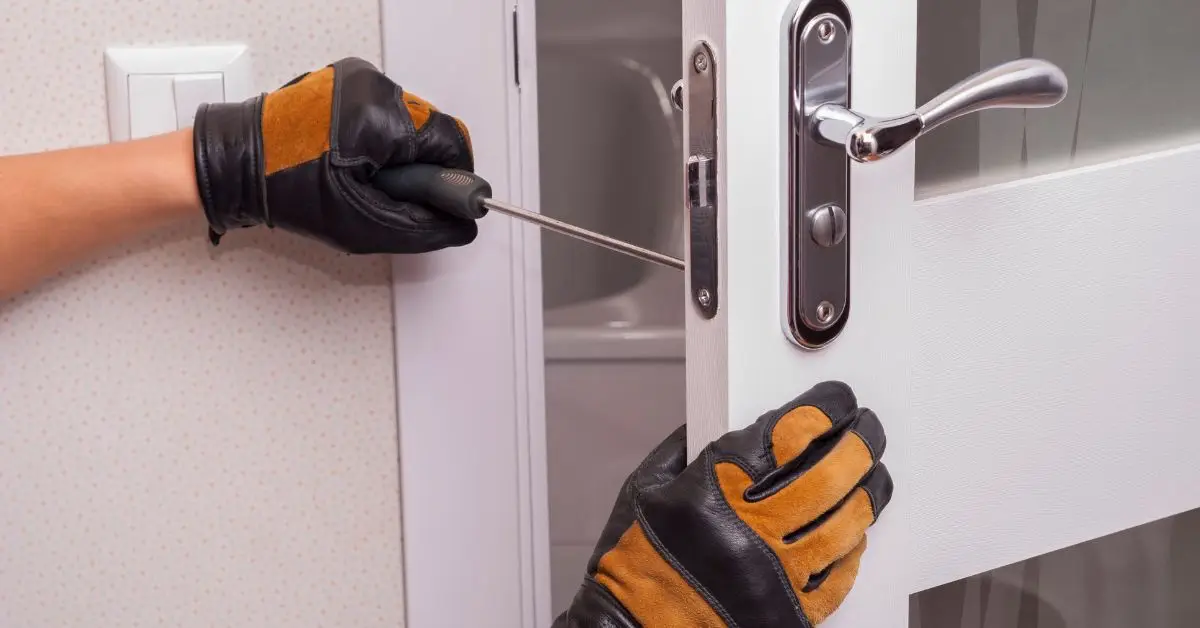
When it comes to securing your home with French doors, understanding the locking mechanism is crucial. The French door locking mechanism typically involves a multi-point locking system that engages at multiple points across the door, ensuring better security and stability. Knowing how this mechanism works can help you troubleshoot common problems like stiff handles, misalignment, or locks that fail to engage properly.
The multi-point system involves a cylinder, a cam, and a series of bolts or hooks that secure the door in place when you turn the key or lift the handle. These mechanisms rely on smooth alignment to function properly any misalignment in the strike plate, keeps, or gearbox can cause issues.
Key Components of a French Door Locking Mechanism:
- Cylinder: The heart of the lock, controlling key movement.
- Cam/Tailpiece: Transfers the key’s turn into mechanical movement.
- Bolts and Hooks: Secure the door at multiple points for increased security.
- Gearbox: Drives the locking system to engage the bolts.
In this guide, we’ll break down how the mechanism works and highlight potential issues, providing you with the knowledge to maintain or repair your French door locks. Whether you’re dealing with a jammed lock, dropped door, or loose handle, understanding the internal components will help you avoid unnecessary repairs or replacement.
What is the French Door Locking Mechanism?
When you hear “French door,” the first thing that comes to mind might be elegance and style. But what about security? You might be surprised to learn that French door locks are designed with multiple security features, making them not only beautiful but also secure. Unlike single-point locks, French door locking mechanisms typically use multi-point locks that engage at several points along the door’s edge, significantly enhancing security.
At Kingdom Locksmith, We regularly deal with these mechanisms in Coventry and surrounding areas, and we see firsthand how multi-point systems provide superior protection against forced entry. Unlike traditional mortice locks or deadbolts, which secure only one part of the door, multi-point locks extend locking mechanisms into the top, bottom, and sides of the door. This creates a more secure seal, preventing burglars from easily prying open the door.
How does the mechanism enhance security for French doors?
The French door locking mechanism is designed to provide both durability and advanced security. Here’s how it works and why it’s essential:
- Multi-Point Locking System: This system uses multiple locking points (usually three or five), spread across the door’s frame. These points, such as hooks, rollers, or deadbolts, engage when the handle is lifted or the key is turned, making it harder for intruders to bypass the lock.
- Euro Cylinder or Mortice Cylinder: Depending on the type of lock, the mechanism may involve a euro cylinder or a mortice cylinder. The cylinder uses a pin tumbler lock or key pins to prevent unauthorized access. Modern versions also include anti-snap, anti-drill, and anti-bump features, making it more resistant to common break-in techniques.
- Security and Durability: The design ensures that the locking points engage deeply into the frame, which not only provides more secure entry prevention but also adds resilience against wear and tear. Even if one locking point fails, the others will still hold the door in place.
- Added Security Features: In 2026, high-security French door locks are often equipped with additional anti-snap, anti-drill, and anti-bump features. These add layers of defense against physical attacks such as lock snapping or drilling, a common method of forced entry on older or cheaper cylinders.
Types of French Door Locking Mechanisms
When selecting a locking mechanism for your French doors, understanding the various types available is crucial to ensuring optimal security and ease of use. There are several different types of locks, each offering varying degrees of security, convenience, and durability. In this section, we’ll break down the most common French door locking mechanisms, explaining how each works and the benefits they offer.
Multi-Point Locking Systems
Multi-point locking systems are the most common choice for French doors, offering a high level of security. These systems are designed to lock the door at multiple points, usually at the top, bottom, and sides of the door. When you turn the key or lift the handle, a gearbox inside the lock mechanism engages the locking points, extending bolts, hooks, or rollers into corresponding keeps in the door frame. This design effectively creates a barrier at multiple points, making it much harder for intruders to force the door open.
Benefits of multi-point locks for added security:
- Enhanced security: The multi-point design makes it difficult for intruders to bypass the lock as they would have to defeat several locking points rather than just one.
- Even distribution of pressure: By securing the door at multiple points, the lock distributes pressure more evenly across the door and frame, reducing the risk of failure due to misalignment or wear.
- Increased durability: Multi-point systems tend to last longer, as they reduce strain on individual components.
Mortice Lock Mechanisms for French Doors
A mortice lock is a traditional lock type that is commonly used in French doors made of timber. The lock is housed within a pocket, or mortice, that is cut into the edge of the door. This lock typically has a deadbolt and latch operated either by a key or lever. The mechanism itself is simple, and mortice locks have been trusted for centuries due to their reliability and robust design.
Pros of mortice locks:
- High security: Mortice locks are solid, heavy-duty mechanisms that provide a secure seal for your French door.
- Durability: Due to their design, mortice locks are less prone to failure and wear over time compared to surface-mounted locks.
Cons of mortice locks:
- Installation complexity: Mortice locks require a precise pocket to be cut into the door, making installation more complicated and expensive.
- Limited to timber doors: Mortice locks are typically not used on uPVC or composite doors, limiting their application to wooden French doors.
When compared to multi-point locking systems, mortice locks provide fewer points of engagement, which can make them less secure than multi-point systems. However, mortice locks are often seen as a good choice for homeowners looking for a classic, secure option for wooden doors.
Deadbolt and Lever Handle Locks
Deadbolt and lever handle locks are simple and effective security options for French doors. The deadbolt is a locking mechanism that is operated by turning a key or thumbturn, which throws the bolt into the door frame. The lever handle is typically used in conjunction with a latch bolt, which automatically engages when the door is closed, ensuring it stays shut.
How these offer different levels of security compared to multi-point locks:
- Higher security with deadbolt: Deadbolts provide a high level of security because they are not spring-loaded like a latch. They are designed to withstand forceful attempts to open the door, making them a good choice for securing French doors.
- Simplicity and reliability: Deadbolt and lever systems are straightforward and easy to operate, offering reliable security for doors that don’t require the complexity of a multi-point system.
Step-by-Step: How the French Door Locking Mechanism Works
French doors rely on a well-coordinated locking mechanism to secure them effectively. Understanding how each part of the mechanism functions helps you troubleshoot issues and maintain smooth operation. Below is a detailed breakdown of how the French door locking mechanism works, from key insertion to final locking engagement.
Step 1: Key Insertion and Alignment at the Shear Line
- Insert the Key: When you insert the key into the euro cylinder or mortice cylinder, it begins the unlocking process. The key pins inside the lock interact with the driver pins that are stacked in the cylinder plug.
- Pin Alignment: As the key enters the cylinder, the cuts on the key push the key pins to specific heights, aligning them at the shear line.
- Unlocking: The shear line is the boundary between the plug and the cylinder housing. When the pins are aligned correctly at the shear line, the cylinder plug can rotate smoothly, allowing the lock mechanism to be unlocked.
- Function: The key’s primary function is to lift the key pins in such a way that they align perfectly with the shear line, allowing the cylinder plug to rotate freely.
The alignment of the key pins at the shear line is the core function of a pin tumbler lock, which is widely used in French door locks.
Step 2: Cylinder Plug Rotation and Cam Activation
- Cylinder Plug Rotation: Once the key pins are aligned at the shear line, turning the key rotates the cylinder plug inside the housing.
- Cam/Tailpiece Movement: The rotation of the plug drives the cam or tailpiece, located at the back of the plug.
- Lock Engagement: The cam translates the plug’s rotation into mechanical action, either retracting or extending the latch or bolt, depending on the lock design.
- Multi-Point Locking: In multi-point locking systems, the cam activates multiple locking points (such as bolts, hooks, or rollers) along the door frame, securing the door at multiple points for increased security.
Step 3: Latch or Bolt Extension and Lock Engagement
- Bolt/Hook Extension: After the cylinder plug rotates, the locking points-such as bolts, hooks, or rollers-extend into the frame.
- Strike Plate Engagement: The bolt or hook engages with the strike plate on the door frame. This ensures that the door is securely locked in place.
- Latch Mechanism: The latch is typically spring-loaded, so it automatically extends into the strike plate when the door is closed, ensuring it stays shut.
- Deadbolt Mechanism: For locks with a deadbolt, the key or thumbturn manually extends the bolt into the frame for maximum security.
By engaging multiple locking points, multi-point locks enhance door security and make it much harder for burglars to force the door open.
Step 4: Handle and Spindle Action
- Press the Handle: When you press down on the handle, it rotates the spindle, which is a shaft inside the lock mechanism.
- Spindle and Follower Interaction: The spindle connects to the follower, which interacts with the latch bolt.
- Latch Retraction: As the spindle rotates the follower, the latch bolt moves inward, retracting from the strike plate, allowing the door to open.
- Automatic Retraction: On some lever handle locks, the spindle and follower work together to automatically retract the latch when the handle is turned.
At Kingdom Locksmith, We are experts in maintaining, repairing, and upgrading French door locking mechanisms to ensure top-notch security. Whether you’re dealing with misaligned locks, a faulty latch, or need a full system upgrade, Our professional locksmith services in Coventry and the surrounding UK areas are ready to assist you.
Common Issues with French Door Locking Mechanisms
French doors are an elegant addition to any home, but when their locking mechanisms start malfunctioning, it can cause major security concerns. Understanding the most common issues with these locks can help you troubleshoot minor problems before they become bigger and more expensive fixes.
Locking Problems: When the Mechanism Doesn’t Engage
One of the most frustrating problems with French door locks is when the mechanism doesn’t engage. You may turn the key or lift the handle, but nothing happens. This issue is often due to misalignment between the lock components or dirty mechanisms that prevent the parts from moving freely. Over time, dust, dirt, or debris can accumulate in the gearbox, cylinder, or multi-point system, causing the lock to jam. Additionally, broken components like a worn-out cam or tailpiece can stop the mechanism from engaging.
Misaligned Keeps and Strike Plates
Misalignment between the strike plate and the keep is one of the most common issues that affect multi-point locking systems in French doors. The keep is the metal plate that the lock bolts or hooks engage with when the door is closed. If the strike plate or keep is misaligned, the locking mechanism won’t engage properly, leading to the door being unable to lock securely.
To test for misalignment, check the following:
- Visual inspection: Look for gaps or uneven alignment between the bolt or hook and the keep when the door is closed.
- Check the door’s frame: Open and close the door slowly while observing whether the bolts catch or slide into the strike plate smoothly.
- Movement testing: If the door locks without much resistance when open but binds when closed, the problem is most likely with the alignment.
Stiff Handles or Jammed Bolts
A stiff handle or jammed bolt is another common issue, especially with older French doors. A stiff handle may indicate a worn-out spindle, follower, or a dirty mechanism. The handle should move smoothly when you lift it; if it’s stiff or requires excessive force, there may be internal wear or obstruction. Similarly, if the bolt doesn’t move freely, it could be jammed due to dirt or misalignment.
To troubleshoot this:
- Lubricate the mechanism: Sometimes, the issue is simply friction from a dry mechanism. Use a lubricant designed for locks to ensure smooth movement.
- Inspect the handle mechanism: Check if the handle feels loose or if it seems disconnected from the internal components like the spindle or follower.
- Test the bolt: If the bolt is jammed, try retracting it manually to see if it moves smoothly. If it does not, the internal components may be damaged or misaligned.
When to consider professional help from a locksmith: If the stiff handle or jammed bolt persists despite lubrication and adjustments, or if you notice damage to the cam, tailpiece, or cylinder plug, it’s time to call a professional locksmith. Trying to force the handle or bolt could damage the lock further, leading to more costly repairs.
Improving French Door Lock Security
French doors offer an elegant entrance to your home, but they can also be a vulnerable point of entry if not secured properly. Upgrading your French door locks to a high-security system is essential for enhancing protection against break-ins. In this section, we’ll explore the best upgrade options and explain security features that will make your French doors safer.
Upgrade Options: Multi-Point vs. Mortice Lock Systems
When considering upgrades to your French door locking mechanism, one of the first decisions you’ll need to make is between multi-point locks and mortice lock systems.
- Multi-Point Locking Systems: These are generally considered the most secure option for French doors. Multi-point locks engage the door at several points (typically three or five), including the top, middle, and bottom, locking the door at multiple points. This provides a stronger, more secure seal and makes it much harder for burglars to bypass. Multi-point locks are often equipped with euro cylinders and work smoothly with uPVC or composite doors.
- Pros: Enhanced security, even pressure distribution, resistant to forced entry.
- Cons: More expensive, more complex installation.
- Mortice Lock Systems: While mortice locks offer solid security for timber French doors, they only lock at one point (the bolt) and are therefore not as resistant to forced entry as multi-point locks. However, they are simpler and generally less expensive than multi-point systems.
- Pros: Cost-effective, simple mechanism, highly durable.
- Cons: Offers fewer locking points and is easier to bypass.
How to choose between a multi-point lock and a mortice lock:
- Security priority: If security is your main concern, multi-point locks should be your first choice. They provide a higher level of protection, especially for external French doors.
- Budget considerations: If cost is a factor, mortice locks may provide the security you need without breaking the bank, though you may want to complement them with additional security measures, like sash jammers or security bolts.
Anti-Snap, Anti-Drill, Anti-Bump Features for Enhanced Protection
Anti-snap, anti-drill, and anti-bump features are important security upgrades for French door locking mechanisms. These features help protect against common break-in techniques:
- Anti-Snap: Protects the euro cylinder from snapping, a common attack method where burglars break the cylinder to access the lock. Anti-snap locks are designed to withstand force and make it harder for criminals to break the cylinder.
- Anti-Drill: Prevents criminals from drilling into the cylinder to bypass the lock. These locks are reinforced with hardened steel components to resist drilling.
- Anti-Bump: Stops burglars from using the bumping technique to manipulate the lock pins and gain access.
These features are available in high-quality euro cylinders, and it’s essential to look for these specifications when upgrading your lock for better protection.
Installing a High-Security French Door Lock
Upgrading to a high-security French door lock is one of the best ways to ensure your home stays safe. When selecting a high-security lock, here are some key factors to consider:
- Look for TS007 and BS EN 12209 Standards: These are industry standards that test locks for durability and resistance to tampering. A TS007 3-star cylinder is often recommended for top-level security. Locks certified under these standards provide the highest level of protection against break-ins.
- Install a high-security euro cylinder with anti-snap and anti-bump features. Additionally, consider multi-point locking systems for their enhanced security features.
- Professional Installation: Proper installation is essential. Even the best lock will fail if it’s not installed correctly. Always hire a professional locksmith to ensure the lock is fitted securely and aligns perfectly with the strike plate and keeps.
Troubleshooting French Door Lock Issues: When to Call a Locksmith
French doors are a stunning addition to any home, but if their locking mechanism starts acting up, it can pose a serious security risk. If you’re experiencing issues, knowing when to fix them yourself and when to call a professional can save you time and hassle. In this section, we’ll help you identify common French door lock problems, explain when to call a locksmith, and offer preventative maintenance tips to keep your locks functioning smoothly.
Common Signs that Your Lock Needs Repair
Several warning signs indicate that your French door lock might need repair. Spotting issues early can save you from further complications and more expensive fixes down the line.
- Lock Not Turning: If your key turns without unlocking the door, the internal components, like the cam, tailpiece, or pins, may be worn or misaligned. This could also be a result of a faulty euro cylinder or multi-point lock mechanism.
- Handle Wobbling: A wobbly handle usually indicates an issue with the spindle or follower. Over time, these components can wear out or become loose, preventing the handle from operating smoothly.
- Door Misalignment: If your French door becomes increasingly difficult to lock or unlock, the door may be misaligned. This can happen due to frame movement, hinge wear, or a drop in the door itself. When the strike plate or keep doesn’t line up with the latch, the lock mechanism won’t engage properly.
Professional Locksmith Services for French Doors
While minor issues with French door locks can sometimes be fixed with simple adjustments, there are certain problems that require the expertise of a professional locksmith.
- Gearbox Failure: If your multi-point lock or other locking system fails to engage properly, there could be an issue with the gearbox. Gearbox issues are complex and often require professional repair or replacement to ensure the lock works smoothly.
- Severe Misalignment: While minor misalignments can often be corrected by adjusting the strike plate or keep, severe misalignment may require re-hanging the door or replacing damaged components. A locksmith will have the tools and expertise to fix these issues without causing further damage to the door or frame.
- Damaged Cylinder or Internal Mechanism: If you notice your key getting stuck or the lock mechanism not engaging properly, it could be a sign of internal damage. If you’re unable to fix it yourself, a professional locksmith can assess the situation and replace the damaged cylinder or other internal parts.
Preventative Maintenance Tips
Regular maintenance can help prevent common locking mechanism issues and extend the life of your French door locks. Here are some simple steps to keep your locks in top condition:
- Lubricate the Lock Mechanism: Over time, dust and debris can cause friction, making it harder to turn the key or operate the handle. Use a silicone-based lubricant to keep the lock mechanism working smoothly.
- Check Alignment Regularly: Ensure that the strike plate and keep are aligned properly. If the door is not sitting in the frame correctly, it may cause issues with the lock’s engagement. Tightening hinges or adjusting the strike plate can prevent these problems.
- Test the Lock: Regularly test the multi-point lock mechanism and ensure that the bolts or hooks engage fully when the door is closed. If you notice any resistance or issues, address them before they lead to bigger problems.
Conclusion
French doors provide beauty and functionality, but they also require the right locking mechanism to ensure the safety of your home. Whether you opt for a multi-point locking system, mortice lock, or a deadbolt, it’s crucial to choose the right mechanism that suits your door type and security needs. Each type of lock has its own benefits, from the enhanced security of multi-point systems to the classic reliability of mortice locks.
Upgrading to high-security locks that include anti-snap, anti-drill, and anti-bump features can provide added protection against common break-in techniques. Also, don’t forget to align the strike plate and keep the locking mechanism working smoothly.
At Kingdom Locksmith, We offer expert advice, repairs, and upgrades for French door locks. If you’re facing lock issues, need help choosing the best mechanism, or require professional installation, our team is ready to assist. Serving Coventry and surrounding areas, we ensure your French doors are secure and functional. Contact Kingdom Locksmith today for fast, reliable locksmith services.
FAQs about French Door Locking Mechanisms
Question: How does a multi-point locking system work?
In a multi-point locking system, the lock engages at multiple points across the door when you turn the key or lift the handle. It operates a gearbox, which activates bolts, hooks, or rollers to secure the door at the top, middle, and bottom, providing superior security compared to traditional single-point locks.
Question: What is the difference between a mortice lock and a multi-point lock for French doors?
A mortice lock is a traditional lock that works by securing the door at one point with a bolt. It’s typically used on timber doors. A multi-point lock locks the door at multiple points, offering better security as it engages at several locations along the door frame. Multi-point locks are ideal for uPVC and composite French doors.
Question: How can I improve the security of my French door locks?
Upgrading to high-security locks with anti-snap, anti-drill, and anti-bump features can significantly improve the security of your French doors. Additionally, ensuring proper alignment of the strike plate and keep is crucial. Consider installing a multi-point locking system for enhanced security.
Question: When should I call a locksmith for my French door lock issues?
If you’re experiencing persistent issues such as the key not turning, a jammed bolt, or misaligned keeps, it’s time to call a professional locksmith. Trying to force the lock could cause further damage. A locksmith can also assist with multi-point lock repairs, gearbox failures, and security upgrades for French doors.
Question: Can I upgrade my existing French door lock to a high-security lock?
Yes, you can upgrade your existing French door lock to a high-security lock, such as a TS007-rated or BS EN 12209-certified system. A locksmith can help you select the best lock for your door and ensure it is installed correctly for maximum security.