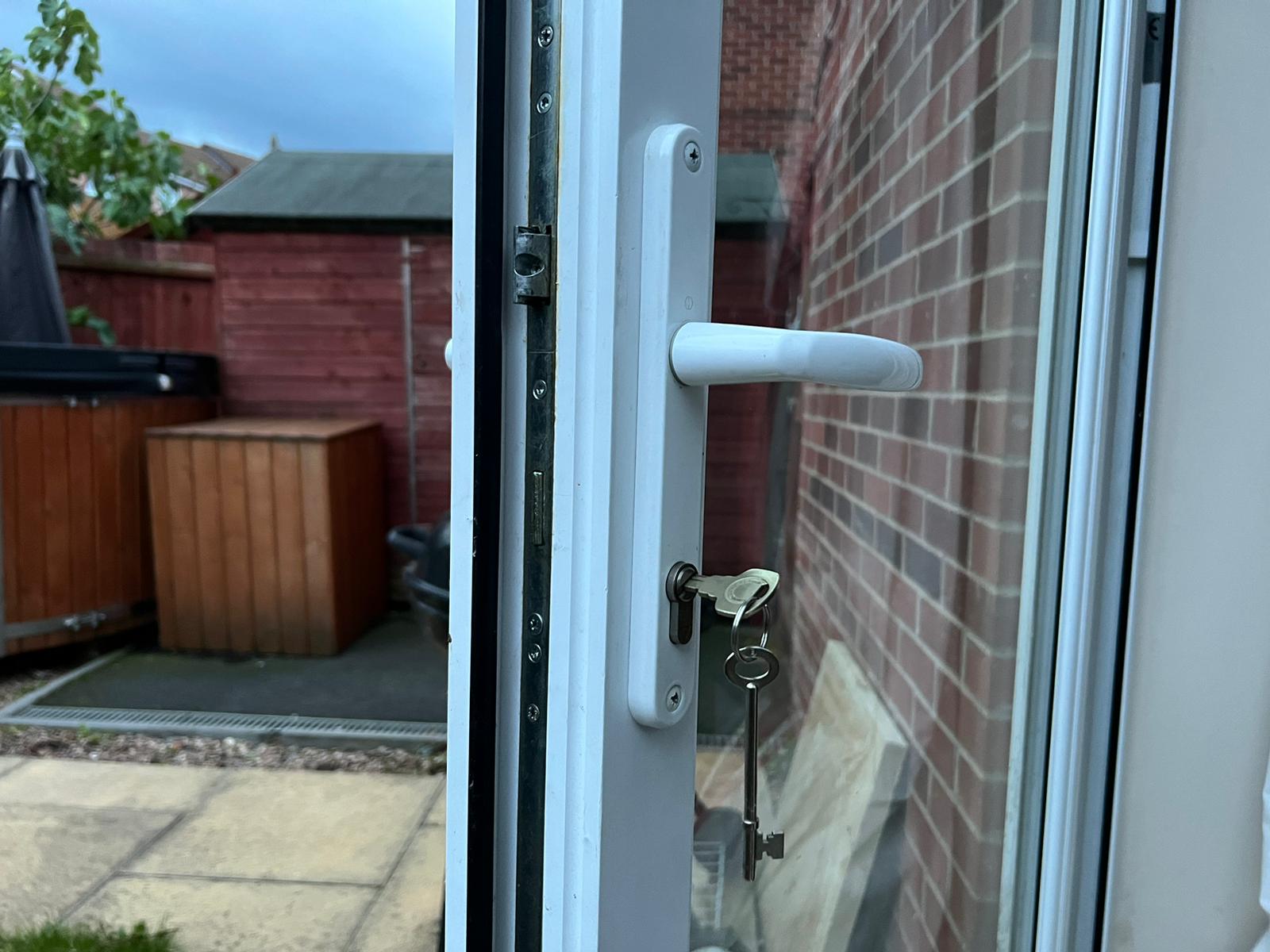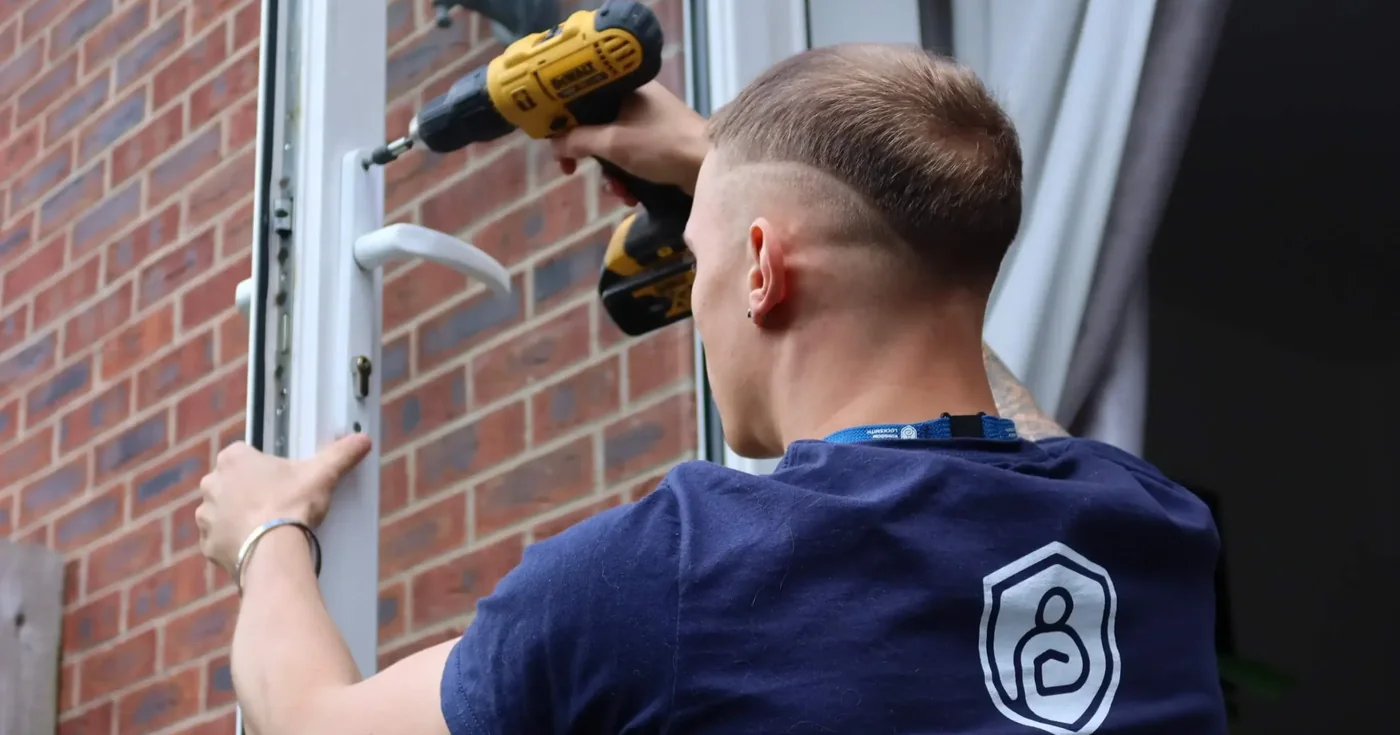
How to Install a Patio Door Lock: Step by Step Guide

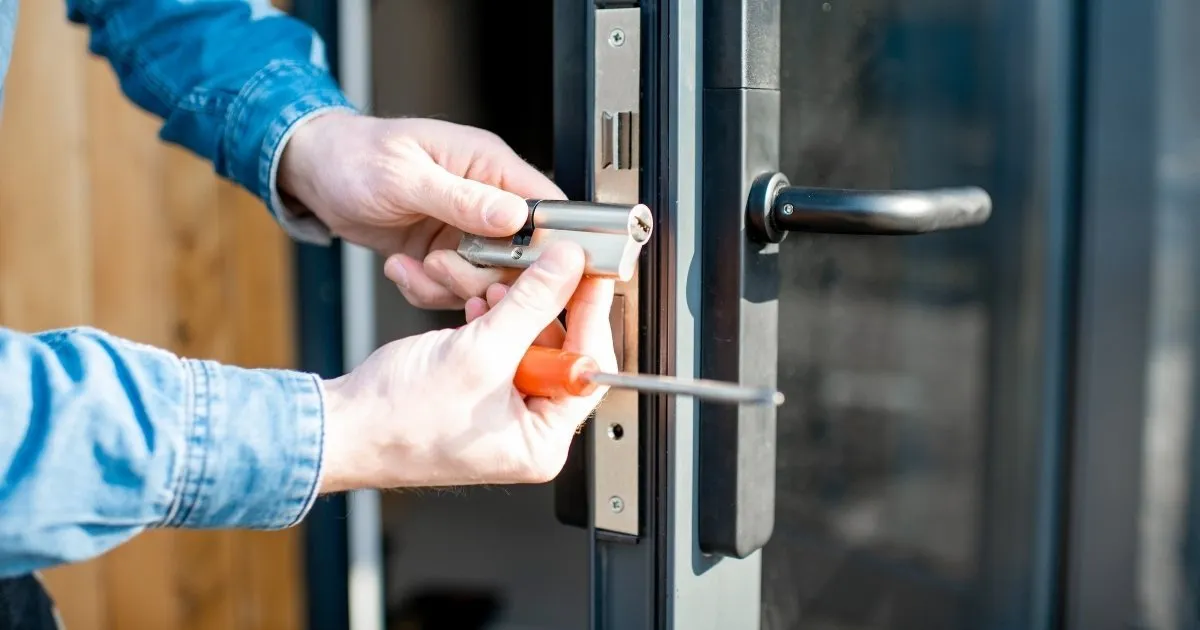
A secure patio starts with a properly fitted lock. Sliding doors look good, but they are a known weak point, so a patio door lock fitted with real precision matters. A clean fit strengthens the door against forced entry and keeps the mechanism working smoothly through the seasons.
To install a patio door lock, remove the old mechanism, clean the frame and check alignment. Then fit the new lock, secure it firmly, align the strike plate and test for smooth operation.
At Kingdom Locksmith, we fit and repair patio door locks for homes and businesses across the UK through our engineer network. Availability varies by area, so call to confirm cover where you are.
What Is a Patio Door Lock?
A patio door lock is a locking mechanism designed for sliding or hinged patio doors. It typically uses a latch or bolt to secure the moving panel to the frame or the fixed panel, preventing the door from being forced open or lifted off its track.
Keyed, latch and multipoint designs are all available. The best of them combine smooth day-to-day operation with the durability an outside door needs.
Essential Tools for Installing a Patio Door Lock
A precise installation starts with the right tools. Each one earns its place, so gather everything before you begin.
| Tool | Purpose and Technical Detail |
|---|---|
| Drill | Drives screw holes in wood, vinyl or aluminium frames. A variable-speed drill gives better torque control and helps prevent surface cracking. |
| Drill Bits | Match the bit to the frame material: high-speed steel for metal, brad-point for wood, carbide-tipped for composite frames. |
| Screwdriver (Phillips and Flathead) | Tightens and removes hardware screws. A magnetic tip stops small screws slipping near glass panels. |
| Measuring Tape | Measures the backset, lock height and screw spacing. Aim for accuracy within a millimetre; alignment depends on it. |
| Pencil or Marker | Marks drill points and alignment lines. A fine-tip marker suits smooth frames; a carpenter's pencil works better on wood. |
| Level | Checks the lock sits true horizontally and vertically. Even a two-degree tilt can make the latch bind, so a digital or bubble level earns its keep. |
| Chisel | Cuts mortises so the lock sits flush. A sharp 12mm chisel handles detailed work on wooden frames without splitting the edges. |
| Hammer or Mallet | Taps the chisel and seats hardware gently. A rubber mallet avoids marking vinyl or aluminium surfaces. |
| Safety Glasses | Shield your eyes from metal shavings and wood splinters while drilling or chiselling. Impact-rated eyewear (ANSI Z87.1) is the safer choice. |
| Masking Tape | Placed over drill points to stop the bit slipping and to protect glass or metal from scratches. Painter's tape peels away cleanly. |
| Vacuum or Brush | Clears dust and metal filings from drilled holes and tracks. A clean mechanism is far less likely to jam later. |
How to Install a Patio Door Lock: Step by Step
Your patio door takes daily use and guards one of the most exposed sides of the house, so the lock deserves care. Installation rewards patience: every mark, drill point and screw needs to line up for the mechanism to run smoothly. Keep your tools close, keep the workspace clear, and work through each stage in order.
Step 1: Remove the Old Lock
Slide the patio door halfway open so it is balanced and you have room to work, keeping one hand on the handle to steady it. Remove the handle screws with a Phillips screwdriver and drop each one into a tray; small parts vanish quickly on a busy job. Separate the handles gently rather than forcing them, as pressure can bend the trim plate.
Next, find the mortise lock screws along the door edge. Loosen them evenly, then draw the lock body straight out with pliers, moving slowly so you do not scratch the cavity.
Run a fingertip around the inside of the pocket. If you feel rust, filings or sharp burrs, make a note of them for the cleaning stage. Everything you do here sets up the alignment work to come.
Step 2: Clean the Lock Area
With the old lock out, turn your attention to the cavity. Even minor debris can throw the new mechanism out of line. Start with a vacuum and a narrow nozzle to pull filings from the corners and recesses, then switch to a fine brush to lift the remaining dust from the screw holes and edges. Wipe the cavity and frame down with a lint-free microfibre cloth.
If you find corrosion, level the area with 400-grit sandpaper, working along the grain rather than across it. Finish by checking the mortise pocket for ridges or burrs; it should feel smooth and flat under your fingertips. This preparation is what lets the new lock seat accurately.
Step 3: Inspect the Door and Frame
After cleaning, check the door and frame themselves. Slide the door open and closed; it should run smoothly with no grinding. Look along the frame edges for cracks, dents or warping. If you find damage, repair your patio door lock and frame before going further.
Hold a straightedge against the frame to confirm it sits flush along its length. Press the corners to test rigidity and tighten any loose roller or hinge screws. A stable, square frame is what lets the new lock fit true and operate cleanly.
Step 4: Position the New Lock
With the door and frame confirmed sound, offer up the new lock. Hold the mortise body against the cavity and set it flush with the frame edge. Use the existing holes as reference points; if they do not line up, mark new centres with a fine-tip marker.
Keep the lock level as you mark, because even a small tilt causes the latch to bind later. Confirm the keyway faces the right way before you drill anything. When the alignment looks exact, mark the strike plate position ready for fixing.
Step 5: Secure the Lock in Place
Insert the mortise lock into the cavity and hold it flush, then tighten the retaining screws evenly, alternating between them to keep the tension balanced. Do not overtighten, as that can distort the lock body.
Refit the handles on both sides and thread each screw until snug. Turn the key once to check the latch movement; a smooth motion tells you the lock is seated correctly. With the body secure, the strike plate comes next.
Step 6: Install and Align the Strike Plate
Close the door gently and mark where the latch meets the frame edge. Position the strike plate directly over that mark with its lip in line with the latch path.
Drill pilot holes with a bit slightly smaller than your screws, then fasten the plate evenly; uneven torque pulls it out of line. Test the latch once before the final tighten to confirm the bolt engages smoothly. Precise plate alignment is what keeps the locking action consistent.
Step 7: Test the Lock Operation
Now test the whole system in motion. Slide the door closed and turn the key or thumb lever; the latch should engage cleanly with no scraping or resistance. Lock and unlock several times and check the action feels consistent.
Watch the handle travel and listen for friction inside the mortise. If the bolt drags, move the strike plate slightly up or down until it runs clean. Smooth, balanced operation confirms the internals are aligned and tensioned correctly.
Step 8: Final Security Check
Finish by verifying the security of the whole assembly. Lock the door and apply firm outward pressure to the panel; it should hold tight without flexing. Check every screw, on the handle, strike plate and mortise, for firm seating.
Confirm the key turns freely from both sides and that the weatherstripping makes even contact along the frame. Run one last open-and-close cycle. If everything engages cleanly, the door is ready for daily use.
How to Choose the Right Patio Door Lock
Lock Type
Start with how you use the door day to day. Mortise locks sit hidden inside the frame and give a clean, solid finish. Keyed handles add direct key control and suit main entrances. Foot bolts and security bars work best as secondary protection. Match the lock style to how you actually want to secure the space.
Door Style Compatibility
Look closely at the door material before buying. Vinyl, aluminium and wood each demand specific lock depths and screw types. Mortise locks suit thicker wooden frames, while surface-mounted models fit slimmer aluminium tracks. Measure the cavity precisely; a snug match makes installation smoother and the lock more durable.
Security Level
Decide how much protection the door really needs. If your patio faces open ground, choose hardened steel bolts or multi-point latches, and look for ANSI Grade 2 or 3 hardware for verified strength. Reinforced strike plates and anti-lift tabs stop forced entry before it starts.
Ease of Installation
Match the complexity of the lock to your comfort with tools. Surface-mount locks go on easily with basic kit and suit simple upgrades. Mortise systems demand exact drilling and alignment but reward you with professional-grade strength. A model supplied with templates or adjustable latches cuts down on setup errors.
Design and Finish
Treat the hardware as part of the room. Matte black and satin nickel suit modern spaces, while bronze pairs better with traditional frames. Corrosion-resistant coatings keep the hardware looking clean for longer. The right finish carries the security without spoiling the door.
Budget and Brand Quality
Buy hardware that lasts. Cheaper models often use soft alloys that wear out early. Reputable brands back their locks with long warranties and accessible replacement parts, and spending slightly more now usually means fewer failures later.
Additional Features
Add the functions that fit your life. Smart locks bring keyless control, and alarm-linked models send alerts straight to your phone. Near the coast, choose corrosion-proof finishes and sealed internals. A secondary foot bolt or bar is a small upgrade that adds real resistance.
How to Maintain Your Patio Door Lock?
Regular maintenance keeps the lock precise, smooth and long-lasting. A few small habits prevent most wear and mechanical failure.
- Apply silicone or graphite lubricant to the latch, keyway and internal gears every six months to keep the action friction free.
- Check the handle, strike plate and mortise screws every few months; loose fittings cause misalignment and rattling.
- Use compressed air or a soft brush to clear dust, filings and cobwebs from the mechanism.
- Inspect the frame gasket and door edges; damaged seals let moisture in, and moisture brings corrosion.
- Insert and turn the key once a month to keep the pins moving freely.
- Adjust the roller height screws if the panel starts to drag; misaligned rollers shift the door and strain the latch.
- Clean handles and plates with mild soap and a microfibre cloth so the finish does not dull or oxidise.
- Replace damaged screws, handles or cylinders early, before a small fault becomes a full failure.
Troubleshooting Common Patio Door Lock Issues
When a patio door lock starts playing up, small problems soon weaken the door's security. Catching the cause early keeps the lock reliable and the action smooth.
Key Won't Turn in the Lock
Check for dirt or metal filings inside the keyway. Give it a short burst of graphite or silicone lubricant, then insert the key and turn it gently. Never force it; that is how internal pins shear. If the stiffness continues, remove the cylinder and inspect it for worn tumblers or a bent key blade.
Lock Feels Loose or Wobbly
A loose lock usually means stripped mounting screws or a worn mortise cavity. Remove the handle, then tighten the screws or swap damaged ones for slightly longer replacements. If the cavity edges feel rounded, pack them with wooden or metal shims. Refit the handle snugly without over-tightening, which can pull the lock out of alignment.
Door Doesn't Latch or Lock Properly
This usually points to a misaligned strike plate or sagging rollers. Close the door slowly and watch whether the latch hits above or below the plate opening. Adjust the plate vertically until the latch enters cleanly, and lubricate the latch tongue and track for a smoother close.
Bolt or Latch Sticks When Locking or Unlocking
Dust or rust inside the mortise mechanism is the usual culprit. Remove the faceplate screws and blow compressed air through the cavity, then apply a thin layer of dry silicone spray to the latch and internal gear. Refit and cycle the mechanism several times until it runs smoothly.
Door Slides but Doesn't Lock Securely
Inspect the roller track for debris or wear. Dirt under the rollers stops the panel closing flush against the frame. Clean the track with a stiff brush and vacuum it clear, then adjust the roller height screw near the base of the door until the latch seats tightly.
Lock Cylinder Jammed or Rusted
Outdoor exposure often corrodes the inside of the cylinder. Spray a small amount of corrosion remover or penetrating oil into the keyway and work the key in and out to break up the residue. If the cylinder still binds, remove it, soak it in a rust-removal solution and re-lubricate it before refitting.
Misaligned Strike Plate
A misaligned strike plate causes partial locking or latch scraping. Mark the latch's true contact point with chalk or a marker, loosen the strike screws and shift the plate towards the mark. Retighten and close the door to test the fit. If large gaps remain, add a metal filler plate behind the strike.
In Closing
Installing a patio door lock properly adds real protection to one of the most vulnerable entry points in a home. Fitted correctly, it strengthens the door, keeps the action smooth and reduces long-term wear on the mechanism.
If the alignment will not come right, or you would rather have the lock fitted professionally, Kingdom Locksmith can arrange it through our engineer network. Call to check cover in your area.
Frequently Asked Questions
Can I install a patio door lock without removing the entire handle?
Yes. Most replacement locks fit without taking the full handle assembly off. You only need to remove the internal mechanism to reach the mounting screws and line the new lock up with the strike plate.
What type of patio door lock offers the best security?
Multipoint locks give the strongest protection because they secure the door at several points, which makes prying very difficult. For sliding doors, a keyed handle or an anti-lift bolt adds serious resistance against forced entry.
How often should I replace or service my patio door lock?
Check and lubricate the lock every six months, and expect to replace it every five to seven years, sooner if you notice stiffness, corrosion or loose fittings. Regular upkeep prevents alignment problems and lock failure.
Can smart locks be used on patio doors?
Yes. Plenty of smart locks are now designed for sliding and hinged patio doors. Look for models with remote access and keyless entry, and check compatibility with your door frame and locking mechanism before buying.
What should I do if my patio door doesn't close or latch properly after installation?
Check the alignment first. Adjust the strike plate so the bolt seats smoothly, tighten the screws, lubricate the moving parts and test the lock several times until the action feels clean and secure.