Lock Repair vs Replacement: Which Is Better?

The right choice between lock repair and replacement comes down to the lock's condition, its age and your security needs.
If the lock has a minor fault, a repair is usually the cheaper, simpler fix. If it is outdated or damaged beyond saving, replacement is the safer, more reliable choice for long-term protection.
Before you decide, weigh up a few more factors: how much security you need, how heavily the lock is used and the level of break-in risk where you live. If you are unsure, a professional locksmith can look at the lock and tell you which route makes sense.
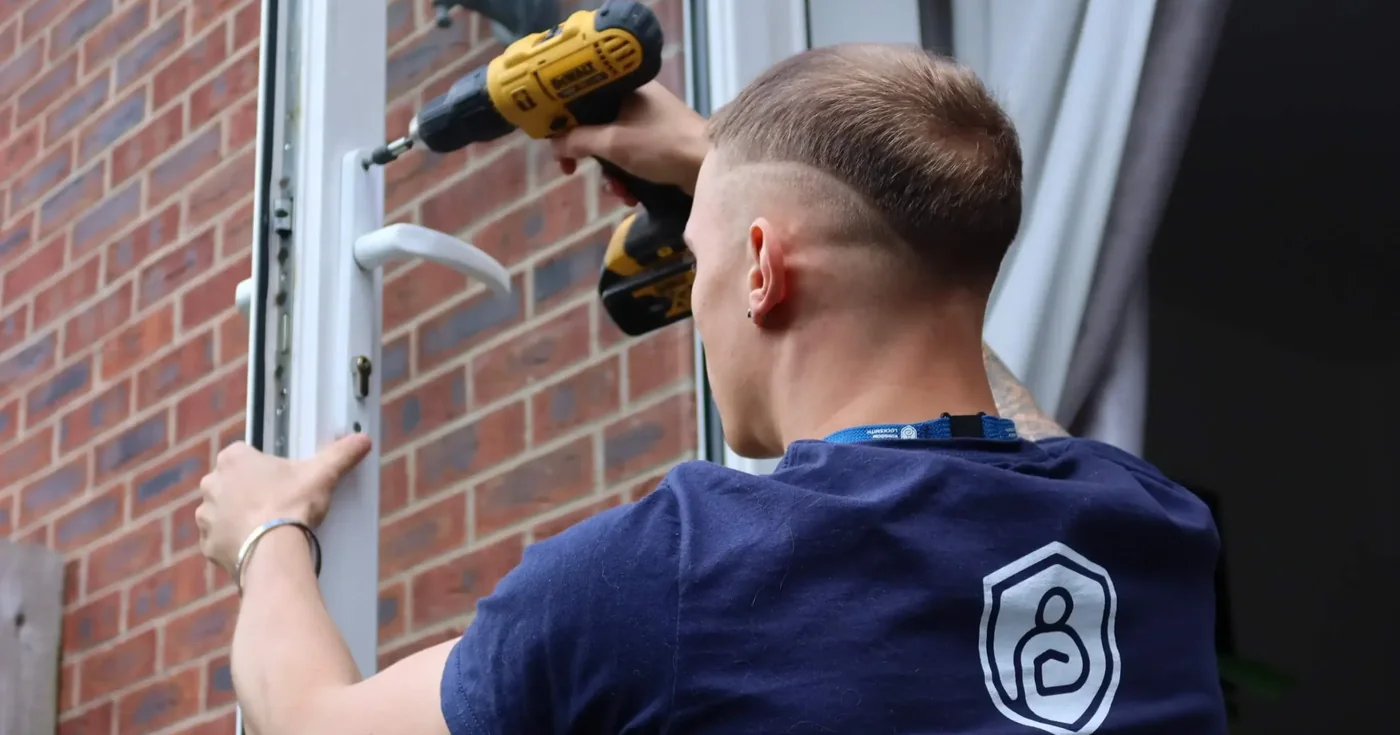
At Kingdom Locksmith, we repair and replace locks for homes and businesses across the UK. We explain your options before any work starts. Availability varies by area, so call to confirm cover where you are.
Lock Repair vs Replacement: What Should You Consider?
When Repair Makes Sense
If the lock is relatively new and the problem is minor, repair is usually the better bet. A sticking key or a door that will not latch cleanly is often a small fix. A competent locksmith can usually sort misalignment or a sticky mechanism in under an hour, without the cost of new hardware.
When It's Time to Replace
If the lock has been protecting your home for well over a decade, it is probably due an upgrade. Older locks rarely meet today's security standards, and that puts your family and belongings at risk.
You should also consider replacement if:
- The lock jams or malfunctions regularly
- There are visible signs of wear or internal damage
- Someone has attempted to break in
- Your keys have been lost or stolen
When to Choose Lock Repair?
1. The Key Is Hard to Turn in the Lock
A key that feels stiff or difficult to turn often points to internal parts that are wearing.
Dirt, old lubricant or slight misalignment all cause friction inside the lock. A clean, a fresh application of lubricant and a small adjustment by a locksmith can restore smooth operation, sparing you the cost of a full replacement.
2. A Broken Key Inside the Lock
When a key snaps off inside the lock, it is easy to assume the whole unit is finished.
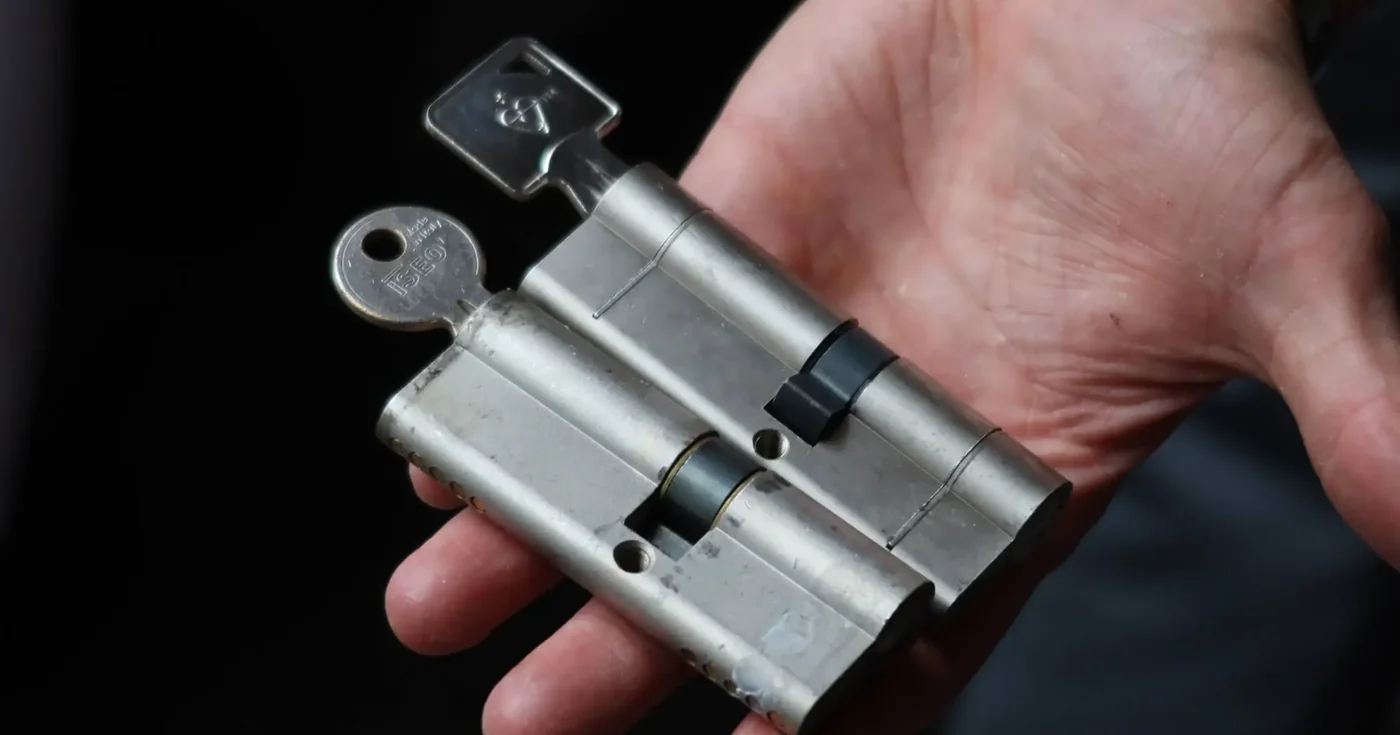
That is rarely the case. A locksmith can extract the broken key and repair the cylinder, which saves you replacing the entire lock. It is a straightforward fix that solves the problem without throwing away perfectly good hardware.
3. Loose Lock Components or Screws
A wobbly handle or an unstable lock can make replacement seem inevitable.
More often than not, the culprit is simply loose screws or components that have shifted, especially on doors that get heavy use or move with the seasons. Tightening, realigning and securing those parts restores stability without a new lock.
4. Misaligned Latch or Strike Plate
If you have to push or pull the door to lock or unlock it, the latch and strike plate are probably out of line. Doors shift as buildings settle and the weather changes, and this is a common result. Fortunately, realigning the latch and strike plate is a simple, affordable fix that restores full function and heads off bigger problems later.
5. Sticky or Jammed Lock Mechanism
A lock that feels sticky or gritty when you turn the key usually has dirt or rust building up inside. Over time this affects the mechanism, particularly on outdoor-facing or older locks. The good news is that a professional clean and lubrication smooths everything out and removes any need for replacement.
How to Repair a Door Lock?
Door lock repairs, done correctly, extend the life of the lock and keep it working as it should. Here is how a professional locksmith approaches a typical repair, step by step.
Step 1: Identify and Diagnose the Problem
Start by pinning down the exact fault. If the key will not turn, the cause might be dirt build-up, pin misalignment or a broken key inside the cylinder. A locksmith works out first whether the problem is mechanical or external. A torch helps when inspecting the internal components.
Step 2: Gather the Right Tools
A proper repair needs the right kit. You will want:
- Precision screwdrivers for careful disassembly.
- Graphite lubricant (never use WD-40 inside the keyway, as it attracts dirt).
- A broken key extractor if a key has snapped inside.
- Spanners and Allen keys for adjusting the cylinder and strike plate alignment.
Step 3: Disassemble the Lock with Care
Using a screwdriver, remove the screws holding the lock in place, keeping them in order so reassembly is straightforward.
With multi-point locks, track every internal part as it comes out. Professionals note each step of the strip-down so the lock goes back together correctly.
Step 4: Clean and Lubricate the Mechanism
Dirt and old lubricant cause sticking. Blow debris out of the keyway with compressed air, then apply graphite lubricant, which is the right choice for locks. Avoid liquid lubricants such as WD-40, which gum up the mechanism over time. Go easy on the amount too, as over-lubricating attracts more dirt. Done properly, this alone often restores smooth turning.
Step 5: Replace Worn or Broken Internal Parts
If any components are broken or worn, such as pins, springs or tumblers, replace them with matching parts from a reputable supplier. Exact replacements matter, as they preserve the lock's integrity and security level. Good quality, matched parts keep the lock reliable for the long run.
Step 6: Reassemble and Test the Lock
Reassemble the lock carefully, checking every part is aligned. Tighten the screws evenly, but not so hard that you strip them. Insert the key and test the mechanism. It should turn smoothly with no resistance.
Check the latch engages the strike plate properly. A thorough locksmith tests the lock from different angles, mimicking real-world use, before calling the job done.
What to Expect When a Professional Repairs Your Lock
Calling in a professional locksmith makes the repair process straightforward. Here is what to expect, from the first look at the lock through to aftercare advice.
1. Initial Assessment
The locksmith will examine the fault and ask how the problem developed. You should be given a clear cost estimate for parts and labour up front, so there are no surprises later. A trustworthy locksmith will give you an honest evaluation of whether the repair is worth doing at all.
2. A Transparent Cost Estimate
Expect a clear breakdown of what the repair will cost, covering parts, labour and any service fees. The figure reflects the type of lock, the damage and any parts needed, such as pins or springs. Always ask for the full estimate before agreeing to the work.
3. The Repair Itself
A well-prepared locksmith arrives with the tools and common parts for the job. Most repairs, such as replacing pins or springs, can be completed on site with minimal disruption to your day.
4. Checks Before They Leave
Once the repair is done, the locksmith should test the lock to confirm it works smoothly, checking the mechanism operates properly and the door secures as it should before they leave.
5. Aftercare and Maintenance Advice
A good locksmith will suggest regular lubrication and the occasional inspection to prolong the lock's life. Many also offer ongoing maintenance visits to keep the lock in good order over time.
Pros of Lock Repair
- Usually cheaper than a full replacement.
- Resolved with minimal disruption to your day.
- Keeps the original hardware and the look of the door.
- Less waste than binning a lock that can be saved.
- Restores function and security without a whole new system.
Things to Consider Before Repairing a Lock
- Older locks can need repeated repairs, which makes replacement more economical over time.
- Extensive internal damage may mean a repair only buys you time.
- An outdated lock is still outdated after the repair, and may not meet modern security standards.
- Parts for older or unusual locks can be hard to source and expensive.
- Think about whether the repair will hold up long term or whether replacement is the better spend.
Signs It's Time to Replace Your Lock
Your lock is the first line of defence for your home. If any of these signs sounds familiar, get in touch about a replacement for better security and peace of mind.
Outdated Security Features
Locks fitted more than a decade ago often lack modern protections such as anti-snap, anti-bump and anti-drill features, leaving them vulnerable to the methods burglars actually use. Upgrading to a high-security, BS 3621-compliant lock gives your door meaningful resistance to quick, forced tampering.
Visible Damage or Cracking
Cracks, chips or obvious damage to the casing, cylinder or strike plate seriously reduce a lock's ability to withstand force. Even if it still turns, its structural integrity is compromised and it can be broken with far less effort. Replacing a damaged lock restores its protective strength.
After a Break-in
If the lock was tampered with or forced during a break-in attempt, it is likely compromised internally. It may seem to work, but weakened parts can make the next attempt easier. Replacing it with a high-security British Standard lock keeps the home properly protected and reduces future risk.
Lost or Stolen Keys
When keys go missing or are stolen, you lose control over who can enter your home. You cannot know who holds a copy, and that is a real security risk. Replacing the lock removes the risk entirely, as no old key will open the new lock.
Failing Lock Mechanism
A lock that jams, resists turning or fails to latch properly is showing internal wear or mechanical failure. A failing lock can leave you locked out or, worse, unable to secure the door at all. Replacement restores reliable operation and keeps the property protected.
New Property or Change of Occupancy
After moving into a new home, or when tenants move out, changing the locks is essential. Previous residents, and anyone they gave keys to, may still hold copies. New locks mean nobody else has access, which is worth the modest cost for the peace of mind alone.
Advantages of Lock Replacement
- A new lock brings modern protections such as anti-pick and anti-drill features.
- New hardware is durable and, with a little care, will serve you well into the future.
- Modern smart locks add convenience, such as keyless entry and remote control.
- Replacement gives you better access control, letting you track entries and manage permissions on smart systems.
- A new lock restores peace of mind, knowing the door is secured by current, reliable hardware.
Disadvantages of Lock Replacement
- The upfront cost of a new lock and fitting is higher than a simple repair.
- Replacement takes longer than a repair, particularly with advanced systems.
- There is some disruption while the old lock is off the door.
- New hardware may need adjustment to line up with the existing door and frame.
- It can be overkill when the fault is minor and a repair would do the job.
Lock Repair vs Replacement: The Costs Compared
Typical Cost of Lock Repairs
Repairing a lock typically costs between £50 and £150, depending on the lock type and how involved the fault is. That makes it an affordable option for minor problems such as misalignment, jammed mechanisms and worn internal parts.
| Service Type | Estimated Cost | What Affects the Price |
|---|---|---|
| Basic repair | £50-£80 | Lock type, labour and the simplicity of the fault |
| Moderate repair | £80-£120 | Trickier problems, such as a key snapped inside the lock |
| Complex repair | £120-£150 | Extensive work, such as replacing internal parts or rekeying |
Typical Cost of Lock Replacements
Replacing a lock usually runs from £100 to £300 or more, depending on the lock and the security features you choose. It costs more than a repair, but it is the longer-lasting fix, particularly when the old lock is outdated or has taken significant damage.
| Service Type | Estimated Cost | Best For |
|---|---|---|
| Standard lock | £100-£150 | Working but dated locks that need a security upgrade |
| High-security lock | £150-£250 | Doors exposed to tampering or at higher risk |
| Smart lock | £200-£300+ | Keyless entry, remote control and advanced security needs |
When to Seek Professional Help
If you cannot decide between repairing and replacing, or any of the situations below applies, it is worth calling a professional locksmith.
- The lock malfunctions frequently or shows signs of internal damage, and you want a clear verdict on repair versus replacement.
- There has been a break-in or attempted burglary, in which case the lock should be replaced with a high-security model without delay.
- The lock has been battered by severe weather or corrosion, and you need to know whether a repair is still safe.
- Keys are lost or possibly stolen, and you want advice on whether rekeying or replacing is the better move.
- The lock is a complex or high-security system, where a botched repair could compromise the door entirely.
- You are moving into a new property, or tenants have moved out, and the locks need changing so nobody else has access.
In Closing
Choosing between lock repair and replacement comes down to the condition of the lock and the security you need. A repair is the sensible fix for minor faults, while a worn, damaged or outdated lock is better replaced for the long-term protection it brings.
If you would like a second opinion on your own door, contact Kingdom Locksmith and we will talk you through the options before any work starts.
Frequently Asked Questions
Can I repair my lock myself?
Minor jobs such as cleaning and lubrication are fine to handle yourself. Anything involving broken internal components is better left to a professional locksmith, both to avoid further damage and to keep the door secure.
How do I know if my lock needs replacing or just repairing?
Frequent malfunctions, visible damage or an outdated design all point towards replacement. If you are unsure, have a locksmith inspect the lock and recommend the best course of action.
How often should I replace my locks?
There is no fixed schedule. Replace a lock when it shows real wear, after a break-in or attempted break-in, when keys go missing, or when it lacks modern protections such as anti-snap. A lock in good order, with keys you can account for, can stay put.