Lock Turns But Won't Lock the Door

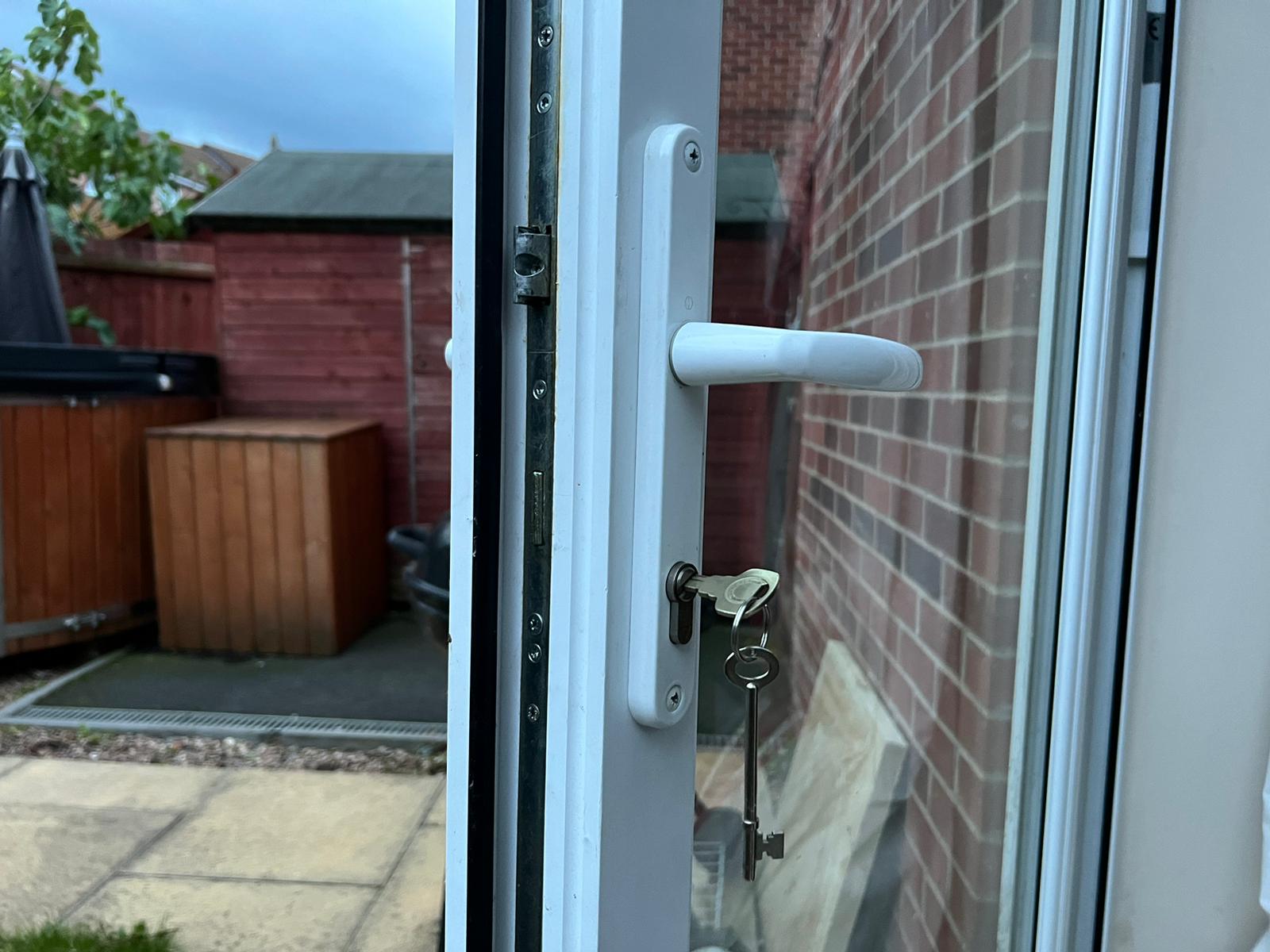
A lock that turns but does not lock usually means the key turns the cylinder but a failed cam, mechanism or misaligned door stops the bolt from throwing. Do not force the key.
The lock can feel as if it is working while the door remains unsecured. The cause is often the cam inside the cylinder, the multipoint mechanism or the door alignment. This guide helps you distinguish between them and understand the repair options.
Why won't the bolt engage when I turn the key?
The bolt will not engage when the part that should drive it has failed or is blocked. Common causes include a worn or broken cam, a failed uPVC gearbox, a stripped connection inside the cylinder, or a dropped door stopping the bolt from reaching the keep.
A cam is the small arm in a lock cylinder that turns to drive the bolt or multipoint mechanism. If the cam wears, snaps or loses its connection to the bolt, the key may spin or turn while nothing locks. On a uPVC door, a similar symptom can be caused by the gearbox driven by the cylinder.
| Symptom | Likely cause |
|---|---|
| Key turns freely with no resistance | Worn or broken cam, or stripped connection |
| Key turns but hooks or bolt do not move | Failed uPVC gearbox |
| Bolt throws part way, then stops | Misaligned door or worn mechanism |
| Locks only when you lift the handle hard | Dropped door straining the mechanism |
| Thumbturn spins without locking | Worn cam or internal fault |
Is it the cylinder, mechanism or door?
You can narrow down the fault with a simple check. If the key spins with no resistance, the cam or cylinder may have failed. If the key meets resistance but the bolt will not throw fully, the door may be misaligned or the mechanism may be binding. Test the lock with the door open to help determine whether alignment is involved.
A door lock cylinder reads the key and drives the bolt through the cam. If you turn the key and feel no resistance, that connection may have broken and the cylinder may need replacing. If the bolt starts to move but jams before locking, it may be catching on the keep or frame.
On uPVC and composite doors, lift the handle to engage the locking points before turning the key. If the handle will not lift, or it lifts but nothing locks, the gearbox or multipoint mechanism may have failed.
What are the repair options?
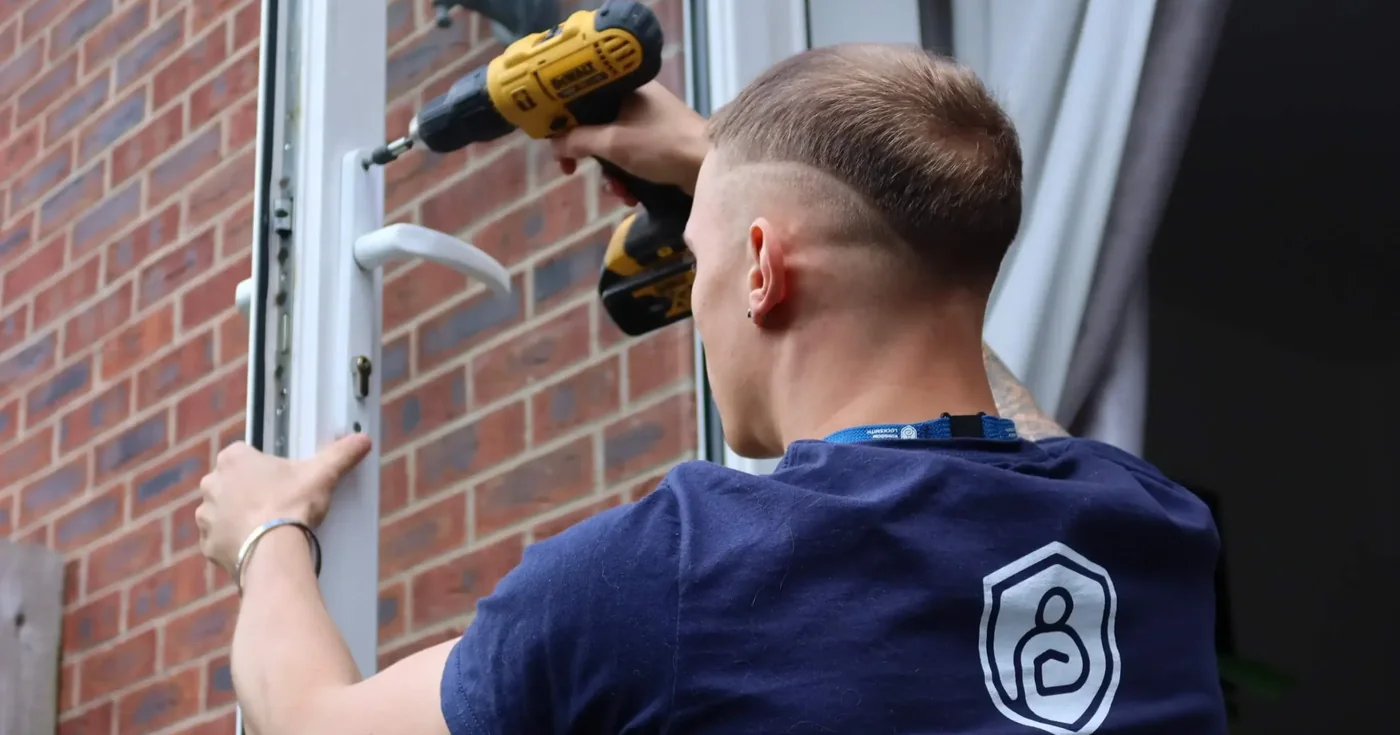
The repair depends on the failed part. A worn cylinder or cam is generally replaced, a failed uPVC gearbox may need a new gearbox or mechanism, and a misaligned door may need hinge and keep adjustment.
For a spinning cylinder, replacement is normally the practical fix because the cam is part of the barrel assembly. An anti-snap cylinder meeting an appropriate security standard can improve resistance to attack. For a uPVC door, replacing the gearbox or multipoint strip restores the locking points. For a misaligned door, adjustment can bring the bolt back into line.
| Fault | Repair |
|---|---|
| Worn or broken cylinder cam | Replace the euro cylinder |
| Failed uPVC gearbox | Replace the gearbox or mechanism |
| Misaligned or dropped door | Adjust hinges and keeps after checking for wear |
Costs vary by lock type, required parts, location and time of day. Ask for a clear quote before work starts. If the door cannot be secured, seek emergency locksmith help.
When should you call a locksmith?
Call a locksmith promptly if the door will not lock and you cannot secure it, the key spins with no resistance, or the mechanism is becoming harder to operate. Forcing the key or handle can cause further damage.
A door that cannot lock is a security risk and should not be left unsecured. A locksmith can identify whether the cylinder, gearbox or alignment is at fault and explain the repair options. If possible, use a vetted locksmith and confirm the price before authorising work.
Frequently asked questions
Why does my key turn but the door won't lock?
The key may be turning the cylinder while a failed cam no longer drives the bolt, or the door may have dropped so the bolt cannot enter the keep. No resistance can indicate a cam or connection fault; resistance with a jammed bolt can indicate alignment or mechanism problems.
Why does my lock spin without locking?
A freely spinning cylinder can mean the cam or another internal connection has broken, so the key no longer drives the bolt. The cylinder or failed mechanism needs to be inspected and may require replacement.
My uPVC door handle lifts but won't lock. What is wrong?
The gearbox inside the multipoint mechanism may have failed, or the door may be out of alignment. Test carefully with the door open, without forcing the handle, to help distinguish a mechanism fault from an alignment problem.
Is a door that won't lock a security risk?
Yes. A door that cannot be locked cannot be properly secured. Arrange a repair promptly and secure the property by another safe means while waiting if possible.
Can I fix a lock that turns but won't lock myself?
You can test whether the lock operates with the door open and check for obvious obstruction, but replacing a failed cam or gearbox requires the correct part and fitting. Stop if the key or handle needs force.
Securing a door that turns but won't lock
A lock that turns without locking often points to a failed cam, broken gearbox or dropped door. Identifying the correct fault prevents unnecessary parts replacement. Do not leave the door unsecured or force the mechanism. If the lock turns but the door will not lock, arrange emergency locksmith help or a suitable repair.