Mortice Lock Stuck and Won’t Open: Safe Checks

A mortice lock is fitted into a pocket in the edge of a door. Depending on its design, it may operate a latch, a deadbolt or both. Some key-operated mortice locks use levers, but other internal arrangements exist, so a stuck lock should not automatically be described as a failed lever stack.
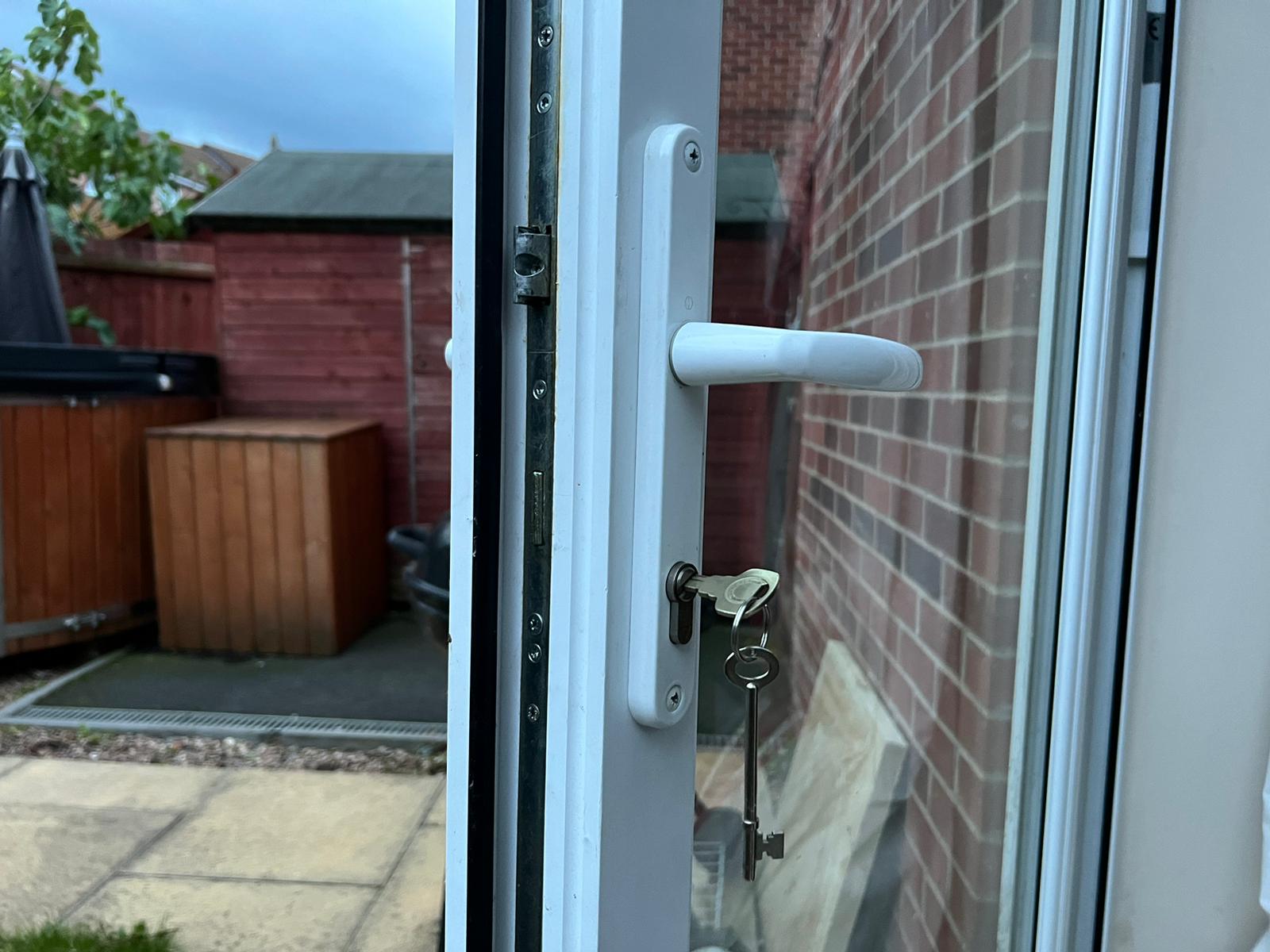
If the lock will not open, stop forcing the key or handle. Similar symptoms can result from door load, a damaged key, a bolt binding in its keep, loose furniture or failure inside the case. The cause cannot be confirmed while important parts remain hidden. Background on door lock repair may help when reporting the fault.
First protect the key and door
Remove the key gently if it will come out normally. Do not use pliers to increase turning force and do not keep trying a key that is bent, cracked or twisting. Compare it with an authorised spare if available, without forcing either key. Do not file the cuts or introduce tools into the keyhole.
Avoid kicking, levering or repeatedly slamming the door. These actions can damage the lock pocket, door edge, frame or glazing. Drilling is not a general diagnostic step and can create unnecessary damage or defeat components that could otherwise be assessed. If the door is the only safe exit, is part of a fire-resisting doorset or is insecure, seek prompt competent help.
Alignment or internal mechanism?
A bolt can be held under pressure if the door has moved relative to the keep. Hinges, timber movement, frame distortion, loose fixings and previous adjustment can all affect the meeting position. Internal wear or breakage can produce much the same resistance. There may also be interacting faults.
If the door is already open, prevent it from closing and make only a gentle normal-operation check. A lock that moves when open but binds when closed may point towards load or alignment, although that observation is not conclusive. Never close an open door simply to test a doubtful lock.
Observe whether the handle returns normally, whether furniture is loose, and whether there are fresh marks around the latch, bolt or keep. Do not move the keep or hinges at random. Adjustment must preserve adequate engagement and may affect security, draught sealing or fire performance. A damaged or distorted door may need a joiner, door technician or fire-door specialist as appropriate.
Maintenance needs exact product guidance
Do not flood the keyhole or case with oil, penetrating fluid or a mixture of products. Mortice locks vary in construction, materials and maintenance requirements. An unsuitable substance can retain grit, affect finishes or interfere with components.
Look for a manufacturer’s name, model marking or documentation. Follow only the instructions for that exact product, including the specified lubricant or cleaner, application point and quantity. If no reliable guidance is available, avoid internal treatment. A closed lock case should not be opened casually: springs and other parts may be under tension, and incorrect reassembly can leave the door unable to secure.
What a locksmith may assess
An inspection can distinguish, as far as access allows, between:
- incorrect, worn or damaged keys;
- pressure between the latch or bolt and its keep;
- loose handles, knobs, escutcheons, spindle or fixings;
- restricted latch or bolt movement;
- wear, fracture, contamination or corrosion inside the lock case; and
- deterioration in the door, lock pocket or frame.
Where the door is locked shut, authorised entry may be required before the case and surrounding hardware can be fully examined. The locked-out service describes that broad situation. A non-destructive approach may be considered if suitable, but it cannot be guaranteed from a description alone.
Can it be repaired?
The answer depends on the lock found. Correcting door load may restore reliable operation where the lock is otherwise sound. Some products have serviceable or replaceable components; others are intended to be replaced as an assembly. Severe wear, broken internal parts, extensive corrosion, obsolete components or an unsuitable security specification can make replacement more appropriate.
A replacement must suit the existing mortice, backset, centres, handing, door thickness, furniture and intended level of security. Enlarging or altering the door pocket without proper assessment can weaken the door. See lock replacement for general context, not a presumption that replacement is necessary.
Do not rely on a lock that works only after lifting, pulling or repeated attempts. For professional assessment, use the contact page and include the door type, visible lock markings, whether it is open or closed, and what happens when the key and handle are operated.