
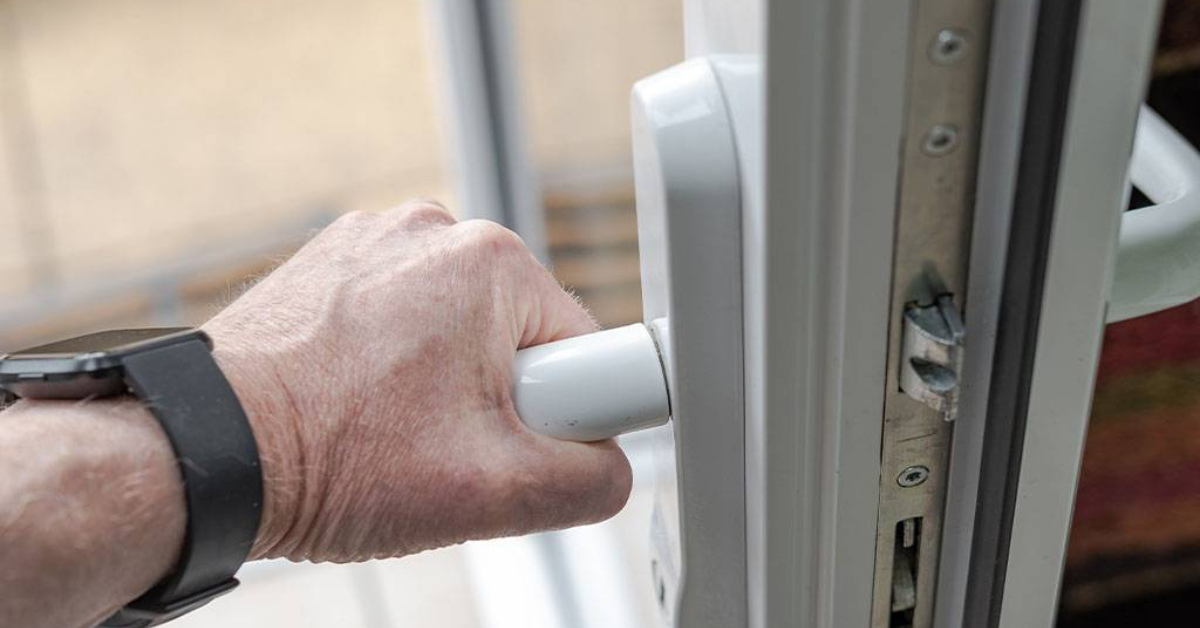
How to fix upvc door lock mechanism fast and safe is usually about one core problem, the door is no longer aligning or locking correctly, not that the entire lock has failed. Most uPVC door lock issues start with stiff handles, keys that will not turn smoothly, or locks that work when the door is open but fail when it is closed.
At Kingdom Locksmith, we fix these problems daily across UK homes. A uPVC door lock mechanism is a multipoint system made up of a gearbox, hooks or rollers, keeps, and a euro cylinder. When any one of these parts is misaligned or worn, the whole door can stop locking safely. In many cases, the solution is a simple adjustment or correct lubrication, not an expensive replacement.
In this guide, we explain how to fix a uPVC door lock mechanism fast and safe, using step-by-step checks that prevent damage..
What a uPVC Door Lock Mechanism Is and How It Works
If you have ever lifted a uPVC door handle and felt resistance, or noticed the door locks fine when open but not when closed, you are not alone. At Kingdom Locksmith, we see these issues daily across UK homes. In most cases, the problem is not a single broken part, but how the uPVC door lock mechanism works as a system.
Multipoint lock system explained simply
A uPVC door does not rely on one lock. It uses a multipoint locking system that secures the door at several points along the frame when you lift the handle. In simple terms:
- Lifting the handle activates multiple locking points
- Turning the key secures all points together
- The system spreads force along the door, improving security
Gearbox, hooks, rollers, keeps, and euro cylinder roles
Each component has a specific job, and failure in one affects the whole mechanism.
- Gearbox: The heart of the lock. It transfers handle movement into vertical motion. Gearbox wear is a common cause of stiff handles and often leads to multipoint lock gearbox replacement.
- Hooks or rollers: These slide into the frame keeps. If worn or misaligned, the uPVC door lock may not engage properly.
- Keeps and strike plates: Fixed to the frame. Even slight movement here can cause the door to catch or fail to lock, which is why knowing how to adjust keeps and strike plates matters.
- Euro cylinder: Controls locking and unlocking. An euro cylinder fixing screw too tight can stop smooth operation and mimic gearbox failure.
- Lock strip: The full-length metal strip holding all components. In some cases, it is safer to replace the uPVC door lock strip rather than forcing a failing section.
Diagnose the Problem First: 3-Minutes List That Save Time
We’ll be honest, most uPVC lock failures we see at Kingdom Locksmith could have been avoided with a few quick checks. Homeowners often assume the uPVC door mechanism is broken, when in reality the lock is reacting to alignment or tension issues. These checks take about three minutes and can save you from forcing the lock or replacing parts unnecessarily.
Open-door test vs closed-door test
This is the fastest and most important check. How to test:
- Open the door fully
- Lift the handle and turn the key
- Then close the door and repeat
What the result tells you
- Works when open but not when closed → alignment issue
- Stiff in both positions → internal mechanism or handle problem
- Key turns but handle feels heavy → stress on gearbox
If the uPVC door won’t lock when closed, the lock itself is often fine. The door is simply not lining up with the frame.
Door drop and hinge misalignment signs
uPVC doors naturally move over time due to use, temperature changes, and weight. Common signs of door drop:
- Door catches at the bottom or top
- Handle becomes stiff when lifting
- Locking points scrape the keeps
Even a few millimetres of drop can cause the uPVC door lock not engaging properly. This is one of the most common reasons people think the mechanism has failed.
Euro cylinder fixing screw too tight or loose
This small screw causes big problems. What to check:
- Locate the fixing screw on the door edge
- If it is overtightened, it can bind the cylinder
- If too loose, the cylinder can shift under load
Symptoms often include:
- Key turns poorly
- Lock feels inconsistent
- Door locks one time and fails the next
Handle spring cassette and spindle checks
Handles are another weak point many guides ignore. Check for:
- Handle not returning to horizontal
- Excess play or wobble
- Different resistance between inside and outside handles
A failed spring cassette or worn spindle can mimic a uPVC door mechanism broken scenario, even when the multipoint lock is still serviceable.
Common Causes of uPVC Door Lock Failure
If a uPVC door starts acting up, it is rarely random. At Kingdom Locksmith, patterns repeat across UK homes, and once you know them, fixes become safer and faster.
Door misalignment from daily use and weather
uPVC doors move over time. Daily opening, temperature changes, and moisture all contribute. What we see most:
- Doors dropping a few millimetres on the hinge side
- Locking points scraping or missing the keeps
- Handles becoming stiff when lifting
This is the top reason a uPVC door won’t lock when closed even though it works when open. Alignment issues put constant stress on the mechanism.
Worn gearbox and internal mechanism stress
The gearbox does the heavy lifting. When alignment is off, it takes the strain. Common signs:
- Grinding or crunching when lifting the handle
- Handle movement feels heavy or uneven
- Lock works intermittently
Dry or incorrect lubrication
Locks need the right lubricant in the right place. Problems we see:
- No lubrication at all, causing friction
- Incorrect sprays used inside cylinders
- Excess grease trapping dirt
Dry movement accelerates wear and often mimics a uPVC door mechanism broken scenario.
Low-quality or aged lock components
Some locks simply reach the end of their service life. Typical indicators:
- Older, non-upgraded cylinders
- Thin lock strips with worn rollers or hooks
- Components that no longer meet modern standards
In these cases, repair may be short lived without upgrading the hardware.
Step by Step: How to Fix uPVC Door Lock Mechanism Safely
These steps follow the same order our engineers use. Do not skip ahead. Each step reduces risk and avoids forcing parts.
Step 1: Clean and lubricate correctly
Start simple. What to do:
- Wipe the latch, rollers, hooks, and strike plates
- Apply a light silicone or PTFE lubricant to exposed moving parts
- Avoid spraying inside the euro cylinder
This alone often resolves stiffness caused by friction, especially after dry weather or winter.
Step 2: Adjust hinges to correct door alignment
Alignment comes before lock adjustment. Check and adjust:
- Lift the door slightly using hinge adjustment screws
- Aim for even gaps around the frame
- Ensure locking points line up naturally with the keeps
Correcting door drop reduces stress on the gearbox immediately.
Step 3, Adjust keeps and strike plates
If alignment is close but still tight, the keeps may need fine tuning. How to adjust:
- Loosen keep screws slightly
- Move the keep just enough for smooth engagement
- Retighten firmly and re-test
Knowing how to adjust keeps and strike plates prevents unnecessary force on the handle.
Step 4: Check handles, spindle, and spring cassette
Handles often fail before the lock strip. Inspect for:
- Handle not returning to horizontal
- Excess play or wobble
- Uneven resistance between sides
A failed spring cassette or worn spindle can feel like a major lock fault but is often a simple fix.
Step 5: Test locking points and smooth operation
Finish with a proper test. Test method
- Operate the lock with the door open
- Close the door and repeat
- Lift the handle slowly, then lock and unlock
The handle should lift smoothly without forcing. If resistance remains, stop and reassess before causing damage.
Fix the Most Common uPVC Door Lock Problems
We hear this every week at Kingdom Locksmith, “It was fine yesterday, now it feels wrong.” uPVC locks usually give clear warning signs before they fail. If you act on the symptom you see, you can often fix the issue fast and safely without replacing the whole mechanism.
If the handle is stiff when lifting
A stiff handle is usually a sign of misalignment or friction, not a broken lock. What to check first
- Test the handle with the door open, then closed
- Look for scraping sounds from rollers or hooks
- Check if the handle returns fully to horizontal
Safe fix
- Lightly lubricate exposed moving parts
- Adjust hinges to lift the door slightly
- Loosen and reposition keeps if needed
If the key turns but the door will not lock
This feels alarming, but it is often simple. What this usually means
- Locking points are not lining up with the keeps
- The euro cylinder fixing screw is too tight
- The handle has not fully lifted the mechanism
What to do
- Lift the handle firmly before turning the key
- Check and slightly loosen the cylinder fixing screw
- Inspect keeps for alignment with hooks or rollers
If the lock works when open but fails when closed
This symptom almost always points to alignment. Why it happens-
- With the door open, there is no resistance
- When closed, dropped hinges or tight keeps block movement
Fix steps
- Adjust hinges to restore even gaps around the door
- Check that locking points slide smoothly into the keeps
- Avoid forcing the handle, this damages the gearbox
When Adjustment Will Not Fix the Problem
Sometimes alignment and lubrication are not enough. At Kingdom Locksmith, we’re clear about this because forcing a failing lock often turns a repair into a full door replacement. Knowing when to stop is just as important as knowing how to adjust.
Signs the gearbox has failed
The gearbox is the most stressed part of a uPVC multipoint system. When it fails, adjustment will not cure it. Common gearbox failure signs:
- Handle lifts but will not engage locking points
- Handle drops suddenly or spins with little resistance
- Grinding or crunching noises from the centre of the door
- Lock works briefly after adjustment, then fails again
If you are seeing these symptoms, a multipoint lock gearbox replacement is usually required.
Broken or worn multipoint lock strip symptoms
Sometimes the issue is not just the gearbox but the full-length strip. Warning signs:
- One or more hooks or rollers do not move at all
- Locking points engage unevenly along the door
- Metal strip visibly bent or cracked
- Repeated failures after hinge and keep adjustment
In these cases, it is often safer to replace the uPVC door lock strip rather than trying to repair individual sections.
Risks of forcing a failing mechanism
Forcing a uPVC lock is one of the most expensive mistakes homeowners make. What can go wrong
- Gearbox teeth shear completely
- Spindles snap inside the mechanism
- Door becomes stuck closed or open
- Frame and door edge are damaged
Once this happens, non-destructive options reduce significantly. At Kingdom Locksmith, we always advise stopping at the first sign of mechanical failure.
Replacing the uPVC Door Lock Mechanism Correctly
If replacement is necessary, accuracy matters. Buying the wrong part or fitting it incorrectly can create new problems.
Measure the lock properly before buying
Correct measurements ensure compatibility. Key measurements:
- PZ size (centre of handle to centre of cylinder)
- Backset (front edge of door to centre of spindle)
- Faceplate width and length
- Position of hooks, rollers, and fixing points
Even a few millimetres difference can prevent the lock from fitting or working smoothly.
Gearbox only vs full lock strip replacement
Choosing the right replacement saves time and cost. Replace the gearbox only when:
- The lock strip and locking points are in good condition
- Wear is limited to the centre case
Replace the full lock strip when
- Locking points are worn or seized
- The strip is bent or damaged
- The lock model is discontinued or mismatched
A full replacement often improves reliability on older doors.
Safe removal and refitting basics
If you proceed with replacement, work carefully. Basic safety steps:
- Open the door fully before starting
- Remove handles and cylinder first
- Slide the lock strip out gently, do not twist
- Fit the new mechanism without forcing
- Test operation with the door open before closing
At Kingdom Locksmith, our professional locksmith services ensure the correct part is fitted, aligned, and tested to avoid repeat failures.
Repair or Replace: What Is the Safer Choice?
Homeowners often ask us this after the lock starts failing again. At Kingdom Locksmith, the safer choice depends on cost, security, and how much stress the mechanism has already taken.
When repair is cost-effective
Repair makes sense when the core components are still sound. Repair is usually safe if
- The door only needs alignment or keep adjustment
- The gearbox still engages smoothly
- The handle and spring cassette return properly
- The lock works reliably once adjusted
In these cases, small fixes restore smooth operation without weakening security. Repair avoids unnecessary expense and keeps the original door structure intact.
When replacement improves security
Replacement becomes the safer option when reliability or protection is compromised. Replace the mechanism when-
- The gearbox slips, grinds, or fails repeatedly
- Locking points no longer engage evenly
- The lock strip shows wear or bending
- The cylinder or mechanism no longer meets modern standards
Upgrading at this stage reduces the risk of lockouts and forced entry. It also aligns with guidance promoted by initiatives like Secured by Design, which focuses on proven resistance to common attack methods.
Upgrade opportunities during replacement
Replacement is the ideal time to improve security. Common upgrades:
- Anti-snap euro cylinders
- Stronger handles with better support
- New multipoint mechanisms with smoother engagement
At Kingdom Locksmith, we often combine replacement with upgrades so the problem does not return.
When to Call a Professional Locksmith in the UK
Some situations should never be handled by force or guesswork.
Door stuck closed or cannot be secured
If the door will not open or lock at all, forcing it can damage the frame. A professional locksmith uses non-destructive methods to regain access and secure the property safely.
Snapped key or post-burglary damage
Broken keys and burglary damage weaken the entire locking system. Professional upvc door repair ensures the door is secured properly and reduces the risk of repeat entry.
Preventing door and frame damage
DIY drilling or levering often causes permanent damage. Calling a locksmith early protects the door, frame, and surrounding hardware from costly repairs.
Maintenance Tips to Prevent Future uPVC Lock Problems
Good maintenance is the simplest way to avoid repeat failures.
How often to check alignment and handles
- Check door alignment and handle return every 6 months
- Pay attention after seasonal temperature changes
Correct lubrication schedule
- Light lubrication every 6 to 12 months
- Use PTFE or silicone spray on exposed moving parts
- Avoid spraying inside the cylinder
Early warning signs to act on
- Handle becomes stiff when lifting
- Key starts turning roughly
- Lock works when open but not when closed
Acting early prevents small issues from becoming major failures.
Final Thoughts
Fixing a uPVC door lock mechanism fast and safe is mostly about understanding how the system works and responding early to warning signs. In many cases, simple steps like correct lubrication, hinge adjustment, and keep realignment are enough to restore smooth locking without replacing expensive parts. Problems such as stiff handles, poor alignment, or keys that do not turn smoothly usually indicate stress on the mechanism, not total failure.
By following the checks and step-by-step methods in this guide, you can avoid forcing the lock and prevent long term damage to the gearbox, lock strip, or door frame. Regular maintenance and early action also reduce the risk of sudden lockouts and security issues.
If adjustments no longer work, or you notice signs of mechanical failure, it is safer to seek professional help. At Kingdom Locksmith, our experienced engineers provide fast, non-destructive upvc door lock repairs and reliable replacements across the UK. Contact us today for expert support and long lasting solutions to keep your uPVC doors secure and working smoothly.
Frequently Asked Questions
Question: Can I fix a uPVC lock without replacing the mechanism?
Yes, in many cases you can. Most uPVC lock problems are caused by door misalignment, dry movement, or loose components rather than a failed mechanism. Adjusting hinges, realigning keeps, or lubricating exposed parts often restores smooth operation without replacing the lock.
Question: Why does my door lock only work when open?
This usually points to an alignment issue. When the door is open, there is no pressure on the locking points. Once closed, dropped hinges or shifted keeps stop the multipoint system from lining up, causing the lock to fail. Correcting alignment normally fixes this.
Question: What lubricant is safest for uPVC door locks?
A PTFE dry lubricant or a light silicone spray is safest for uPVC locks. Apply it only to exposed moving parts such as rollers, hooks, and latches. Avoid spraying inside the euro cylinder, as this can attract dirt and cause sticking over time.
Question: Is this a DIY job or should I call a locksmith?
Basic checks and adjustments can be DIY if the door still operates. However, if the lock is grinding, the door is stuck, a key has snapped, or the gearbox is failing, calling a professional locksmith is safer. This prevents damage and ensures the door remains secure.