How to Change Door Locks on House: DIY vs. Professional

DIY: Budget-friendly, faster if you're familiar with tools, but may lead to mistakes like misalignment or incorrect installation.
Professional: Higher cost, but guarantees proper installation, especially for advanced or multi-point locks.
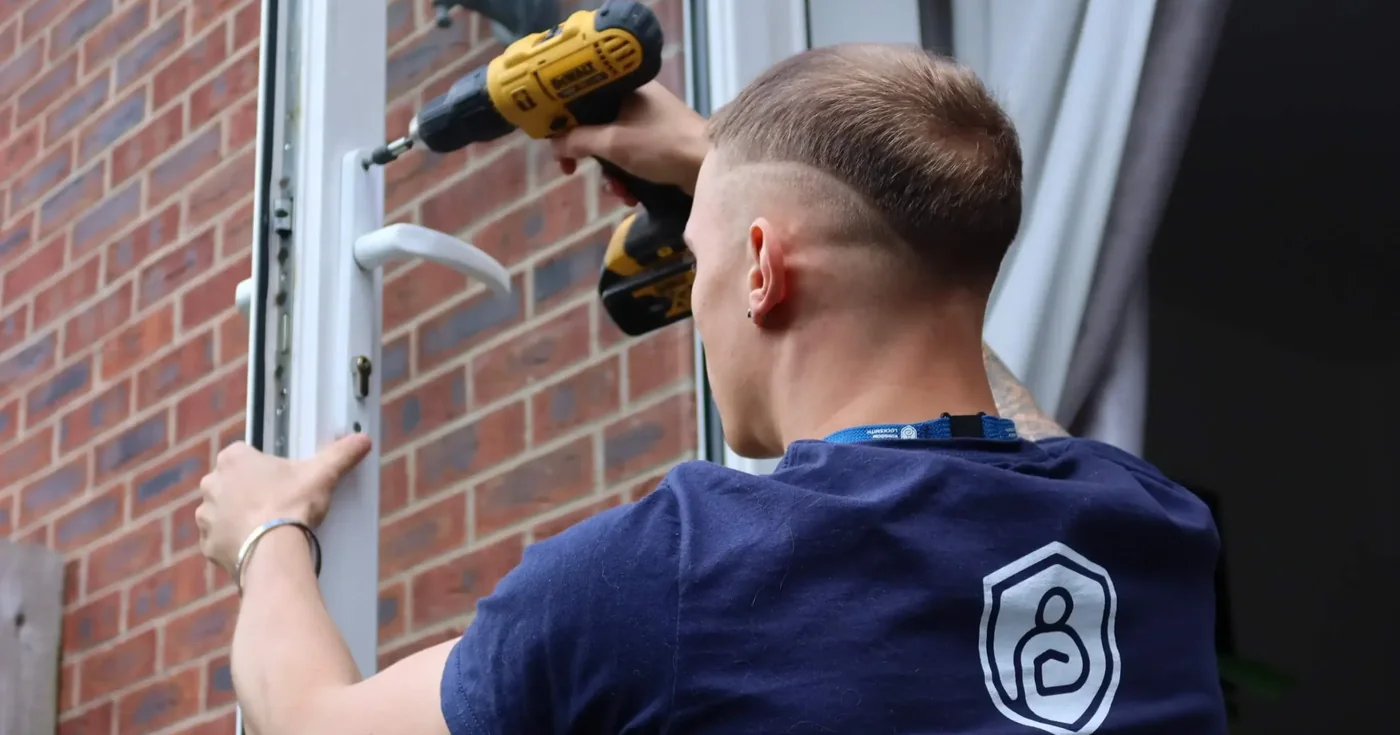
Tools: Screwdrivers, drills, and lock kits for DIY; professional locksmiths bring advanced tools and expertise.
If you're asking, "how to change door locks on house? Or wondering "Should I change the door locks on my house myself or hire a professional?", the answer depends on your skills, time, and the level of security you need. DIY lock installation can save money, but professional locksmiths offer expertise and ensure the job is done right, especially for high-security systems or smart locks.
Here are some key points to consider:
In Coventry, smart locks and high-security locks are growing in popularity, offering convenience and protection, but may require additional setup and knowledge to install correctly.
At Kingdom Locksmith, we're here to help you decide the best route for your lock change, ensuring your home is secure and your installation process is hassle-free. In this blog, we'll dive into the pros and cons of DIY lock changes versus hiring a professional locksmith, so you can make the best choice for your home security.
Why You Might Need to Change Your Door Locks
Several situations may require a lock change, such as moving into a new home, losing your keys, or experiencing a break-in. With increasing concerns over home security, many homeowners are opting to upgrade to smart locks or high-security systems that offer better protection and convenience. These modern locks are not only harder to bypass but can also be controlled remotely via smartphones, making them a popular choice in today's market.
Common Reasons for Lock Changes
There are several common reasons why you might need to change your door locks. If you've lost your keys or if a break-in occurred, changing the locks is a must to ensure your home's security. Additionally, in rental properties, landlords often change the locks when a new tenant moves in, or if the previous tenant has left the property, ensuring no one else has access to the home.
Upgrading Security: Smart Locks and High-Security Systems
As technology evolves, many homeowners are choosing to upgrade their security with smart locks and high-security systems. Smart locks allow for keyless entry, remote access, and integration with home automation systems, while high-security locks are designed to provide more robust protection against break-ins. These locks are increasingly popular due to their advanced features and ability to offer better overall security compared to traditional locks.
DIY Door Lock Change: What to Expect
DIY installation allows you to save on professional service fees, but it requires careful attention to detail. It's ideal for straightforward lock replacements and smaller projects where precision isn't critical. However, it's important to know your limits, as complex locks like smart locks or multi-point systems are best handled by professionals.
Tools You'll Need for DIY Lock Installation
To successfully install a lock yourself, you'll need the following essential tools:
- Screwdrivers: For removing and installing screws.
- Drills: To make holes for the new lock if necessary.
- Measuring tape: To ensure proper alignment and fit for the new lock.
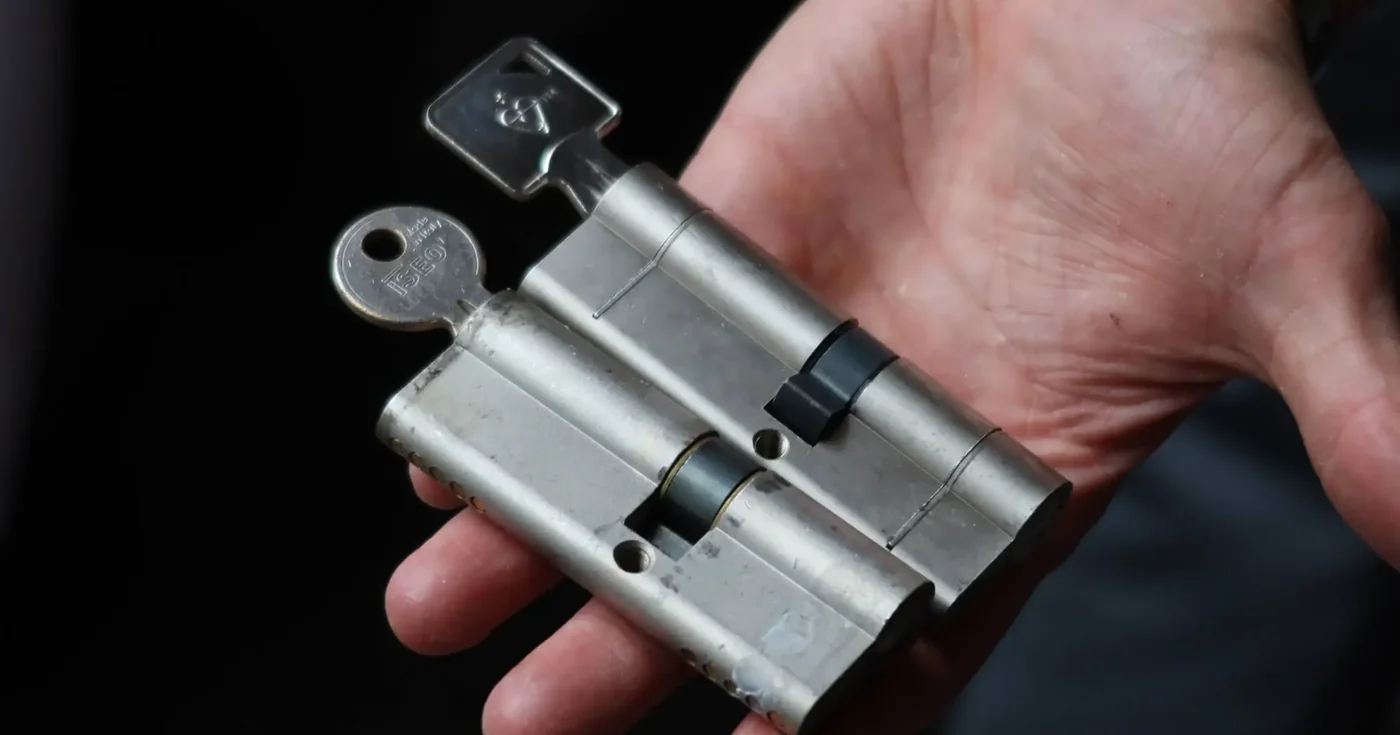
- Lock kit: A complete set including the lock and all necessary parts. These tools are perfect for basic lock installations such as deadbolts or euro cylinder locks. Be sure to pick up the correct tools for your specific lock type, as the wrong tools may make the installation difficult.
Step-by-Step DIY Lock Installation Guide
- Remove the old lock: Unscrew the old lock using a screwdriver, making sure to keep the screws for possible reuse.
- Measure and align: Use a measuring tape to ensure the new lock aligns with the existing holes. Ensure it fits perfectly and the backset matches.
- Install the new lock: Place the new lock in place, making sure the components fit securely. Use screws to attach it tightly.
- Test the lock: Check that the lock works smoothly, ensuring the latch and strike plate are aligned.
Follow these steps for standard lock installations to ensure a smooth process. For more complex locks, consider professional assistance.
Professional Locksmith Services: Why They Matter
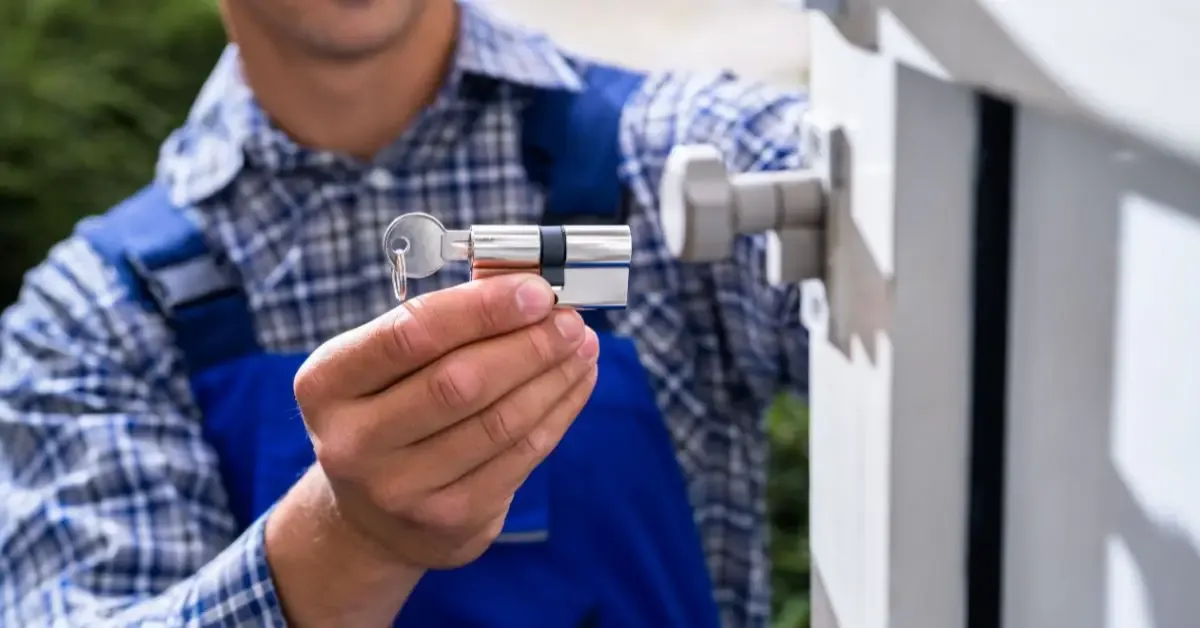
While DIY lock changes can be straightforward for basic locks, there are significant advantages to hiring a professional locksmith. Locksmiths bring expertise, precision, and the ability to handle complex systems like smart locks and multi-point locking mechanisms. They can also assess your security needs and recommend the most appropriate lock for your home. Professional locksmiths save you time and reduce the risk of errors, ensuring your lock is installed correctly.
Professional Lock Installation: The Process
When you hire a professional locksmith, the process typically follows these steps:
- Assessment: The locksmith evaluates your current lock and identifies any security concerns or weaknesses.
- Lock selection: Based on your needs, they recommend the appropriate lock type (e.g., smart lock, high-security).
- Installation: The locksmith installs the new lock with precision, ensuring it fits securely and works smoothly.
- Testing: Finally, the locksmith tests the lock to make sure it's functioning properly, addressing any issues before completing the job.
Professional locksmiths bring knowledge and tools to handle even the most complex installations.
When to Hire a Professional for Lock Installation
While DIY lock installation is perfect for simpler tasks, certain situations call for a professional locksmith. If you're installing high-security locks, such as BS3621 certified locks, or modern smart locks, it's best to hire an expert. Complex systems require specialized knowledge to ensure they are installed correctly and securely. Additionally, if you're dealing with multi-point locking systems or uPVC doors repair, a professional locksmith has the skills to handle the installation. Professional locksmiths can also handle emergency lockouts, rekeying, and provide recommendations tailored to your security needs.
Cost Comparison: DIY vs. Professional Locksmith
When deciding whether to handle the lock change yourself or hire a professional, consider the costs involved. DIY lock installations typically cost only for the materials (locks, tools), while professional locksmith services include both materials and labour fees. Although DIY can save you money, hiring a professional guarantees correct installation and enhanced security. Here's a comparison of the costs involved:
Average DIY Costs: Materials and Tools
For DIY lock installation, the costs primarily consist of:
- Lock costs: Typically between £20 and £150, depending on the type (deadbolt, euro cylinder, smart lock).
- Tools: If you don't already own the necessary tools, you might spend £20 to £50 on basic tools like drills and screwdrivers.
- Total DIY cost: Approximately £40 to £200 for the lock and tools.
This option is ideal if you're installing a basic lock and have the necessary tools on hand.
Professional Locksmith Rates and Services
The cost of hiring a professional locksmith varies depending on the complexity of the job and the lock type. On average:
- Standard lock installation: £60 to £100 per hour.
- Smart lock installation: £100 to £200, including the cost of the lock.
- Emergency locksmith services: These can range from £100 to £250, depending on the time of day and urgency.
The cost also includes labour and expertise, which ensure that the installation is done correctly, and no mistakes are made. Emergency call-outs and additional services like rekeying will also affect the final price. While hiring a locksmith costs more upfront, it offers a higher level of service, including the guaranteed functionality of the lock and proper installation.
Choosing the Right Lock: Factors to Consider
Considering the level of protection you need, high-security locks may be more suitable for areas with higher crime rates, while standard locks could suffice for quieter neighborhoods. Additionally, smart locks offer convenience but may require higher upfront costs and professional installation.
Traditional Locks vs. Smart Locks
Traditional locks like deadbolts and euro cylinders are affordable, easy to install, and widely available. They offer a decent level of security but may lack the advanced features of newer systems. Smart locks, on the other hand, offer keyless entry, remote access via smartphones, and integration with home automation systems. However, they tend to cost more upfront, and installation can be more complex. For a balance of affordability and convenience, traditional locks may be ideal, but for enhanced security and smart home features, smart locks are the way to go.
What to Look for in High-Security Locks
When choosing a high-security lock, look for features that provide extra protection, such as anti-snap protection to prevent break-ins, BS3621 certification to meet British standards, and tamper-resistant designs. High-security locks, such as multi-point locking systems or smart locks, offer better resistance to forced entry and are often preferred in areas with higher crime rates.
Legal Considerations and Permissions
Changing the locks in rented properties requires an understanding of tenant rights and landlord approval. Under UK tenancy law, particularly with Assured Shorthold Tenancy (AST) agreements, tenants generally need permission from the landlord to change the locks. If permission is granted, tenants may be allowed to change locks for security reasons or due to lost keys.
Tenant Rights and Landlord Approval
As a tenant, you typically need landlord approval to change the locks on your rental property, especially under an Assured Shorthold Tenancy (AST) agreement. Changing locks without permission can lead to legal consequences, including issues with your security deposit or even eviction. However, in some cases, like security concerns or lost keys, tenants may be able to change the locks without explicit approval but should notify their landlord as soon as possible.
How to Communicate with Your Landlord
If you need to change the locks, communicate with your landlord in writing, explaining the reason for the change and requesting approval. Be sure to provide a spare key, as most tenancy agreements require landlords to have access to the property.
Final Thoughts
When deciding whether to go the DIY route or hire a professional locksmith, consider the complexity of the job and your level of experience. DIY lock changes are cost-effective but require precision and the right tools. For more complicated installations or high-security systems, hiring a professional ensures the job is done correctly and safely.
At Kingdom Locksmith, we provide expert advice and services for both DIY enthusiasts and those seeking professional installation, ensuring your home remains secure. Contact us today for a reliable and affordable solution.
Frequently Asked Question (FAQs)
Can I change the door locks on my house myself?
Yes, if you're comfortable with tools and following instructions, you can change standard locks like deadbolts and euro cylinders yourself. However, more complex locks like smart locks or multi-point systems are better handled by professionals.
What tools do I need for a DIY lock installation?
For DIY lock installation, you'll need screwdrivers, drills, measuring tape, and possibly a lock installation kit. Make sure you have the correct tools for the lock type you're installing.
How much does a professional locksmith charge for lock installation?
Professional locksmiths typically charge between £60 to £100 per hour for standard lock installations. For more advanced systems like smart locks, the cost may be higher.
What are the benefits of hiring a professional locksmith?
A professional locksmith brings expertise, ensures proper installation, and handles more complex systems like high-security locks and smart locks. They can also save you time and prevent costly mistakes.
Is DIY lock installation cost-effective?
DIY installation can save money, but it requires the right tools and time. If you're not confident with the process, hiring a professional ensures the lock is installed securely, preventing future issues.