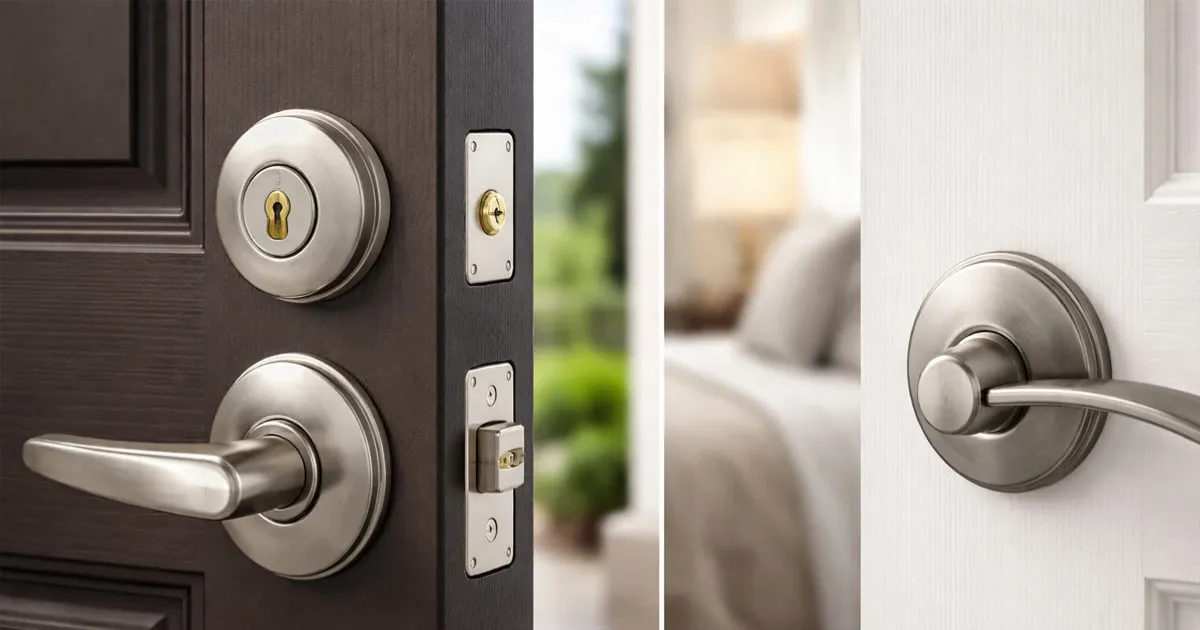
Why Locksmith Competence Matters for Home Security

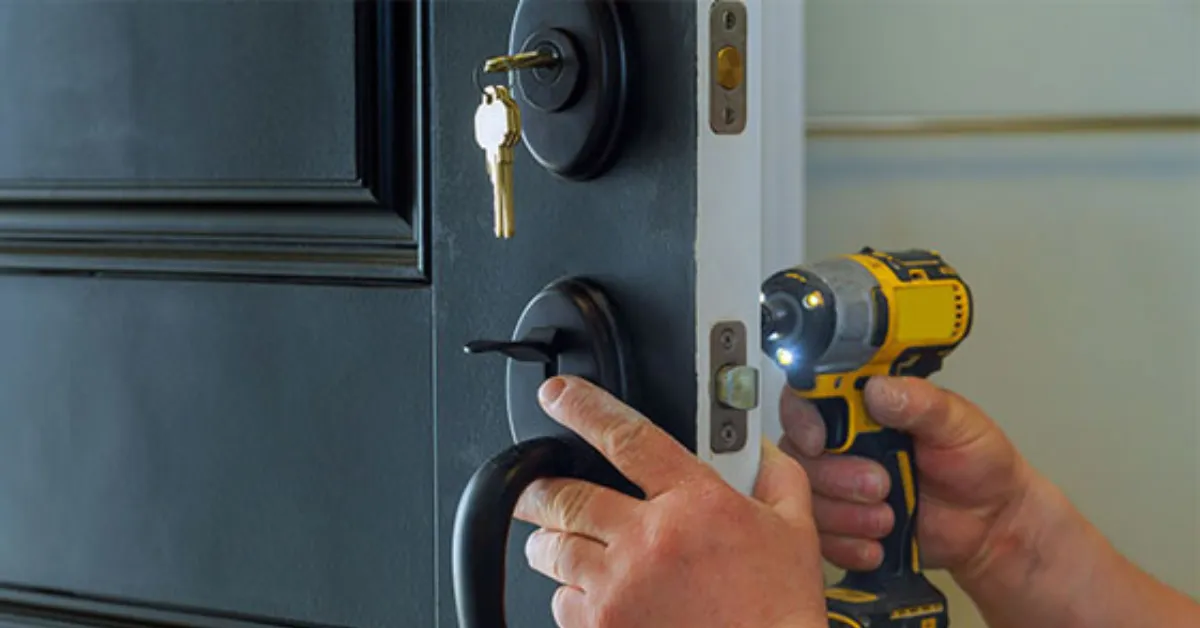
A locksmith works on components that control access and help a door resist attack. Competent assessment and fitting can reduce avoidable damage, poor compatibility, and repeat faults. However, “professional” is not a guarantee by itself. UK consumers should verify identity, relevant experience, proposed methods, products, and written terms.
Diagnosis should cover the whole doorset
A difficult key does not automatically mean the cylinder has failed. A uPVC door that will not lock may involve alignment, hinges, keeps, handles, spindle, centre case, multipoint strip, or cylinder. A mortice lock has different fitting and certification considerations. Good work starts with symptoms, inspection, and an explanation of options rather than a predetermined part swap.
A door lock repair assessment may lead to adjustment, repair, a cylinder change, or full lock replacement. The provider should say what has been identified and what remains uncertain.
Entry methods should be explained
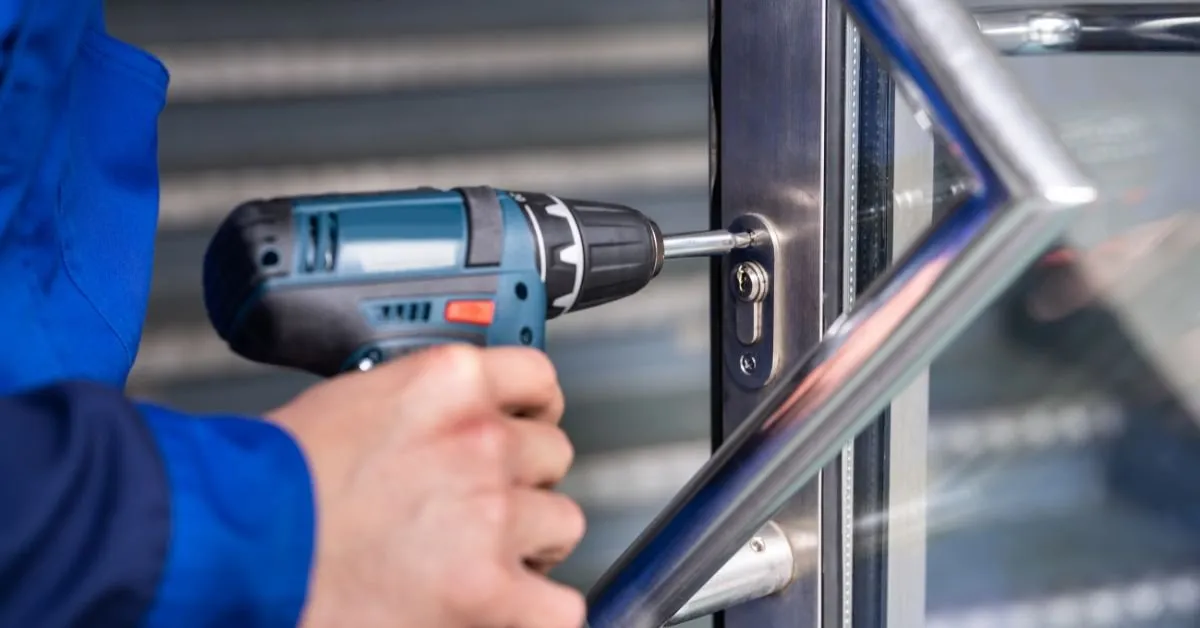
Non-destructive entry should be considered where suitable, but it cannot always succeed. A failed, damaged, or unsuitable lock may need controlled drilling. Properly controlled drilling commonly targets a sacrificial cylinder or lock component; it does not necessarily weaken the door or frame. Careless drilling can damage adjacent hardware or the doorset.
After controlled entry, compatible replacement and correct fitting can restore the intended locking function and security, subject to the condition of the door, frame, and surrounding hardware. Ask the locksmith what will be affected, why the method is proposed, what replacement will be used, and whether the property can be secured afterwards. The emergency locksmith guide provides more booking questions.
Product ratings must be described accurately
A rating only has meaning when it is attached to the exact certified product or configuration. In UK door security:
- BS 3621 can be relevant to certain key-operated thief-resistant lock assemblies.
- TS 007 is a security-rating scheme for lock cylinders and door hardware. Star ratings may apply to a cylinder or to combinations involving protective hardware, depending on the certified configuration.
- Sold Secure SS312 Diamond is a Sold Secure certification/specification for cylinders tested against its stated attack requirements.
TS 007 and SS312 Diamond are examples, not universally the two “most important” ratings. Relevance depends on the door, complete hardware configuration, threat model, building requirements, and insurer. Ask for the exact product reference and check the relevant scheme’s current directory or documentation.
Smart functionality also does not prove physical attack resistance. A smart actuator may retain an existing cylinder, and remote features may depend on a hub, network, cloud service, battery, or software support. Assess the complete system and fallback arrangements.
Correct fitting matters as much as selection
Even suitable hardware can perform poorly if measured or installed incorrectly. A euro cylinder should have the right profile, cam, and dimensions and should not project unnecessarily beyond compatible protective hardware. Mortice locks require appropriate preparation without removing excessive material. Multipoint components must match the door and associated strip.
The installer should test operation with the door open and closed and check that locking does not depend on excessive force. On escape routes, hardware and operation must also suit the building and occupancy requirements; seek the relevant fire-safety, housing, or building-control advice where necessary rather than relying on a generic statement.
Security advice should be proportionate
A locksmith can identify visible weaknesses and explain hardware options, but no assessment guarantees burglary prevention. Doors, frames, glazing, windows, lighting, alarms, key control, and daily locking habits all affect risk. Structural, glazing, electrical, alarm, or fire-safety work may require other competent specialists.
Similarly, replacing every lock is not always necessary. After a lost key, consider whether it can be linked to the address. After authorised non-destructive entry, inspect for damage rather than assuming the lock is compromised. When key control changes, compare rekeying where supported, cylinder replacement, and complete lock replacement as separate options.
How to assess a locksmith in the UK
Ask for:
- the full business identity and attending person’s details;
- evidence of relevant experience with the exact door and lock type;
- current availability and an estimated arrival window;
- an itemised estimate covering attendance, labour, parts, and VAT;
- an explanation of entry or repair methods and damage risks;
- the exact product, certification, and compatibility basis;
- an invoice and any written terms for parts or workmanship.
Trade-body membership, insurance, or certification claims should be verified directly with the issuing organisation. Company registration can confirm identity but does not establish locksmith competence. Reviews may add context, but they are not a substitute for a clear scope and estimate.
Costs, completion, and guarantees
Competent work may reduce avoidable damage or unnecessary replacement, but it is not necessarily cheaper and cannot guarantee first-visit completion. Price and timing depend on the diagnosis, access, hardware, and parts availability. Ask how changes will be authorised and whether a return visit may be required.
Do not assume a standard guarantee. Read the provider’s written terms, including what is covered, duration, exclusions, and the process for raising a concern. Keep the invoice and product details.
For information about lock replacement and high-security lock options, review the relevant service pages. To discuss a particular door without assuming scope or availability, use the contact page and confirm the details for that job before booking.