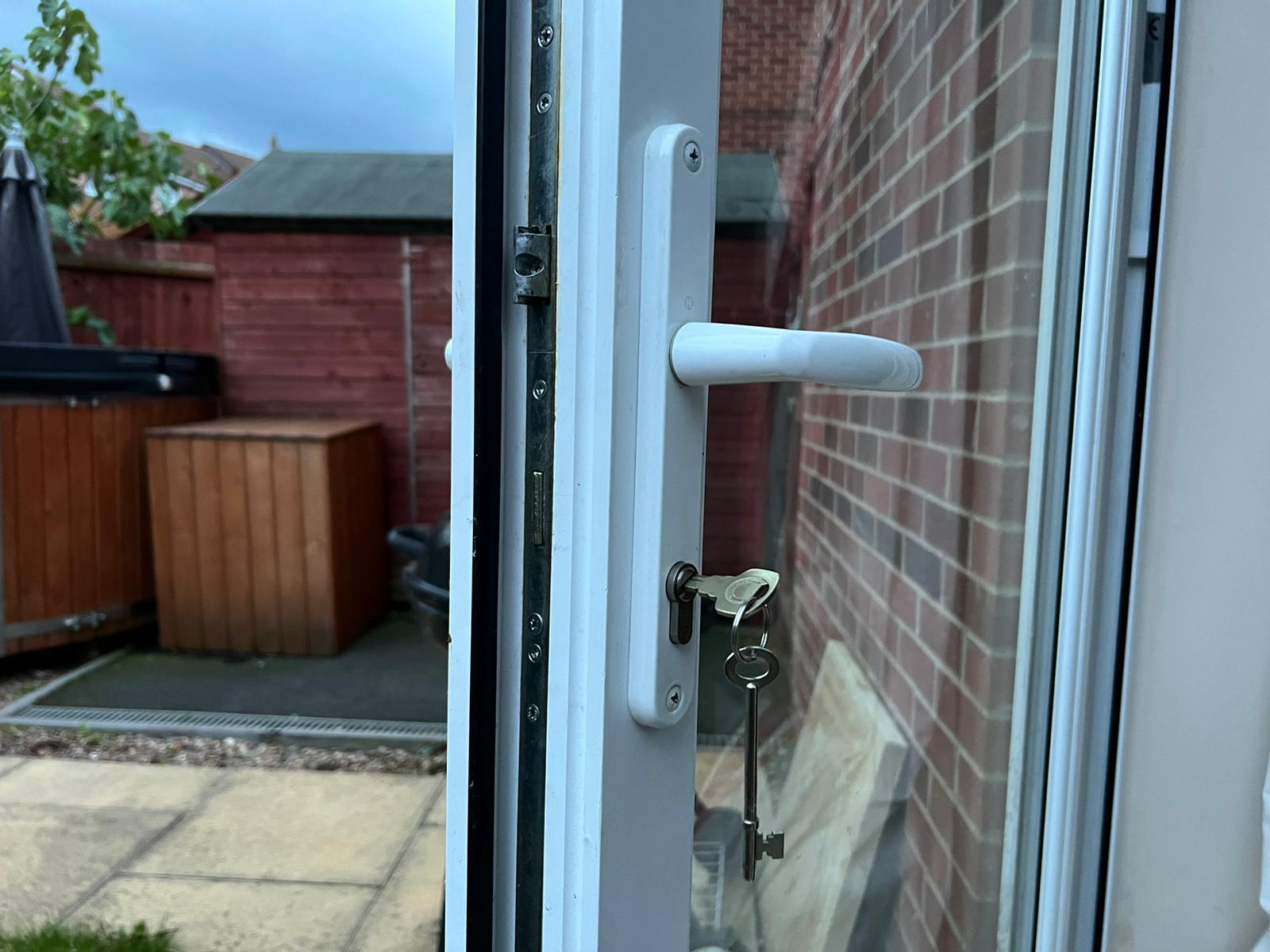
How to Repair a Door Lock Handle: Diagnosing Springs, Spindles and Lock Faults

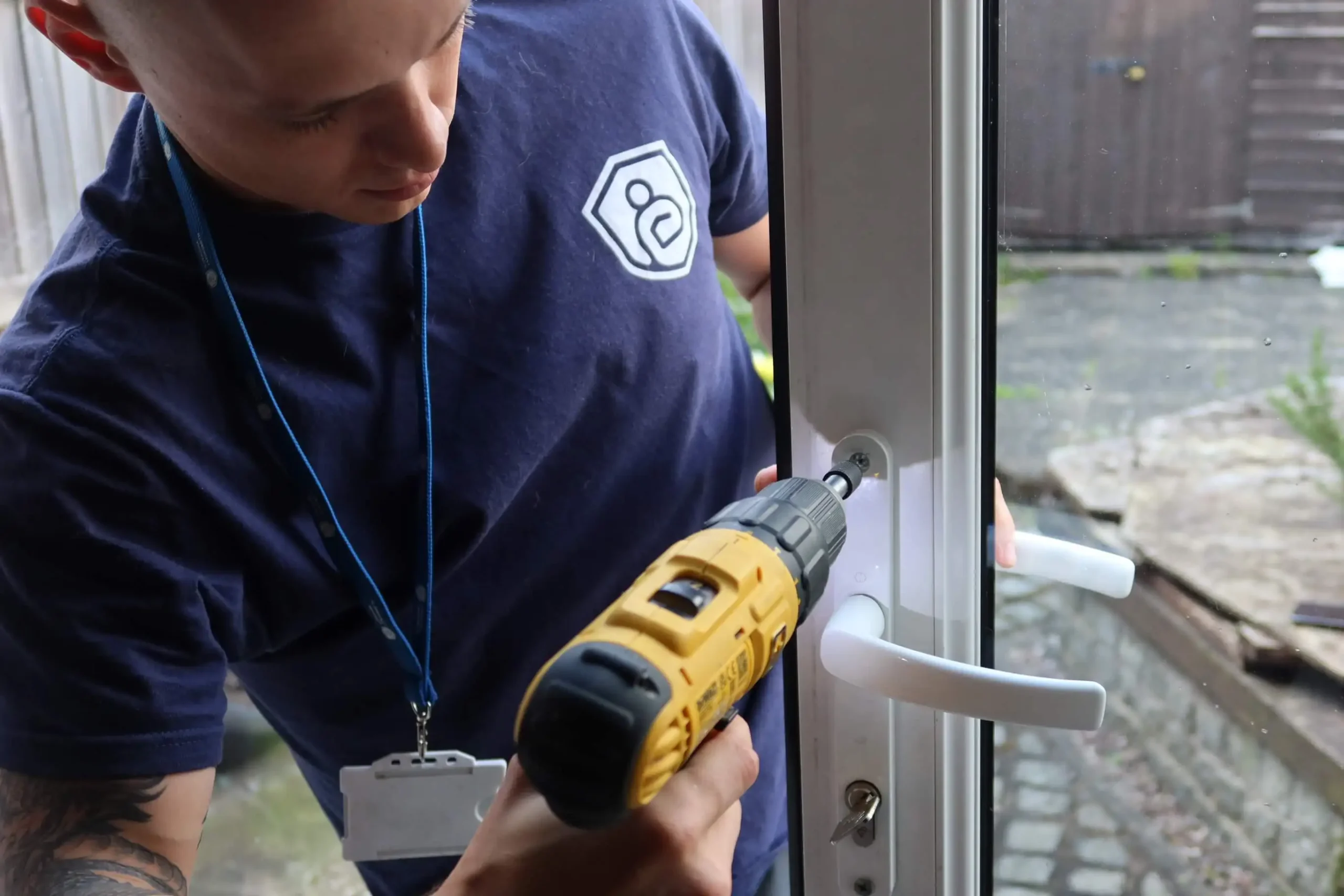
A door handle that droops, feels loose or turns without operating the latch does not automatically need a complete new lock. The fault may sit in the handle spring, spring cassette, spindle, lock-case follower, gearbox or door alignment.
The best starting point is to identify what still works and what has changed. This guide focuses on safe diagnosis before replacement, while detailed fitting is covered in our door handle replacement guide.
What We See on Real Jobs
Before the step-by-step checks, here is what our engineers find most often when a handle fails:
- uPVC or composite front door, handle intact but drooping or not working: if the handle is still on the door and not broken, the fault is almost always in the mechanism behind it, usually the gearbox, not the handle.
- Handle came off in your hand: if the spindle is still in the door, or the handle works normally once it is refitted, the handle itself has failed and a new handle is the fix.
- Handle stuck solid and will not go down: this usually points to the gearbox at the unlocking point, for example a broken bolt thrower, or to a cylinder whose cam no longer turns.
- Spindles: they rarely wear out. Our engineers carry spares, so a spindle is a quick fix when it is the cause.
How Does a Door Handle Work?
A lever handle normally turns a square spindle that passes into the follower inside the latch or lock case. Moving the lever rotates the spindle, allowing the latch or connected mechanism to operate.
Handle return can come from the handle spring, a spring cassette or springing inside the lock case. On uPVC and composite doors, the handle may also connect to a central gearbox and multipoint locking strip.
First Check: What Is the Handle Doing?
With the door open, operate the handle gently and check whether the latch retracts fully, the lever returns towards horizontal and there is excessive free movement. Then compare the same handle with the door closed.
If the handle works normally while open but becomes stiff when closed, alignment or resistance at the strike or keeps may be involved. If the problem remains while open, the handle, spindle, lock case or gearbox deserves closer inspection.
Do not repeatedly force a stiff or loose handle. Extra force can transfer stress through the spindle into the lock case or gearbox.
Door Handle Droops but the Lock Still Works
A handle can hang below its normal position while the latch and lock still operate correctly. In that situation, the return-spring system should be checked before assuming the complete lock has failed.
The cause may be the handle spring, spring cassette or springing within the lock case. If the handle retracts the latch normally but fails to return after release, the return mechanism becomes the main area to investigate.
If the handle also has excessive free movement or stops retracting the latch consistently, the problem may extend beyond the spring. The spindle, follower and lock case should then be included in the diagnosis.
Is the Handle Spring or Spring Cassette Broken?
Some lever handles use an integrated spring, while others use a separate spring cassette around the spindle opening. ERA fitting guidance shows this type of cassette and warns that overtightened fixings can affect handle movement.
A weak or broken spring can make the lever sag even though the latch still works. However, a stiff lock case or excessive friction can create similar symptoms, so the spring should not be diagnosed from appearance alone.
Where the hardware uses a replaceable cassette, we can replace the cassette without changing the complete lock. Older uPVC handles often have no cassette and rely on the springs in the gearbox to lift the lever, so on those doors a sagging handle is a gearbox symptom.
How to Tell if the Spindle Is Worn or Slipping
The spindle is the square metal bar that transfers movement from the lever into the latch or lock case. If it becomes worn, incorrectly positioned or unable to grip properly, the handle may move without transferring the same movement into the lock.
Common signs include excessive free play, a delay before the latch reacts or one side of the handle working differently from the other. If one lever works normally while the opposite side feels loose, the spindle connection deserves inspection.
A spindle fault mainly affects the transfer of movement, while a spring fault mainly affects lever return. A worn follower or lock case can create both symptoms, so the complete connection still needs to be considered.
Could the Lock Case or Gearbox Be the Cause?
The spindle rotates a follower inside the latch or lock, and some hardware relies partly on that internal springing to return the lever. If the latch sticks, the spindle feels resistant or the handle does not return cleanly, the lock case may need attention.
Our door lock repair service covers handle, latch, spindle and general lock-hardware faults. If a uPVC or composite handle moves but the hooks, rollers or bolts do not respond correctly, the problem may extend into the gearbox or wider multipoint mechanism.
For deeper mechanism faults, see our door mechanism and gearbox repair service. On an internal door a drooping lever is usually the handle spring or cassette; on a uPVC or composite front door with the handle still intact, it is usually the gearbox.
Could Door Alignment Be the Real Problem?
Alignment becomes more likely when the handle feels normal with the door open but difficult after the door closes. The latch, bolts or multipoint locking points may be pressing against the strike plate or frame keeps.
Look for rubbing marks and note whether pushing, pulling or lifting the door changes how the handle works. Do not randomly move keeps or hinges, because changing alignment without identifying the cause can create another problem.
Our door lock mechanism repair and maintenance guide covers alignment and mechanism diagnosis in more depth, including how to adjust the hinges.
What If the Handle Turns but the Latch Does Not Retract?
A handle that moves without retracting the latch suggests that movement is being lost between the lever and lock mechanism. The spindle, handle fixing, follower or internal lock case can all be involved.
Test the handle with the door open and avoid repeatedly rotating it if it feels disconnected. If both handles move but the latch remains stationary, the issue is unlikely to be simple cosmetic looseness and should be diagnosed properly.
Door Knob or Handle Turns but the Door Will Not Open
On internal doors, a knob or lever that turns freely while the latch stays put usually means the follower inside the tubular latch has broken. If someone is shut in or out of a room, a locksmith takes the handles off and hooks the latch back with a tool. We then recommend replacing the latch rather than repairing it: the parts are cheap and a new latch lasts longer.
Should You Tighten or Replace the Handle?
Visible loose fixings can be checked before assuming a component has failed. Tighten accessible screws evenly and only enough to secure the handle, because overtightening can make some assemblies bind.
If the handle still wobbles, the looseness may come from the spindle, spring cassette, follower or worn handle parts. Repeatedly tightening the same screws will not correct internal wear.
Handle replacement becomes more relevant when the lever or backplate is damaged, the springing has failed in a non-serviceable assembly or the spindle connection is badly worn. Our guide How to Replace a Door Handle covers the fitting process in more detail.
Quick Diagnostic Guide
| Symptom | More Likely Area | First Check |
|---|---|---|
| Handle droops but latch works (internal door) | Spring, spring cassette or lock-case springing | Check return with door open |
| Handle intact but droops or fails (uPVC or composite door) | Gearbox | Stop forcing and call a locksmith |
| Handle came off in your hand | The handle itself | Refit it and see if it works normally |
| Handle stuck solid, will not go down | Gearbox at the unlocking point or cylinder cam | Stop forcing and call a locksmith |
| Excessive free movement | Spindle, follower or handle connection | Compare both sides |
| Handle moves but latch does not | Spindle or lock case | Watch latch with door open |
| Stiff only when door closed | Alignment or keep resistance | Compare open vs closed |
| Stiff even when door open | Handle, lock case or gearbox | Stop forcing and inspect |
| Multipoint points do not move | Gearbox or mechanism | Check visible locking points |
This symptom-led approach helps avoid unnecessary part replacement. It also separates handle faults from deeper mechanism problems that require a different repair route.
When Should You Stop DIY Checks?
Stop testing if the lever needs substantial force, the spindle appears disconnected, the lock grinds internally or the door can no longer be secured reliably. A handle that feels close to detaching also needs attention.
Avoid opening a sealed lock case or multipoint gearbox simply to search for a broken spring. If a replacement handle has already been fitted but the same symptom remains, the underlying cause may sit deeper in the mechanism or alignment.
Frequently Asked Questions
Why Does My Door Handle Droop but the Lock Still Work?
A drooping handle often points to weak return springing rather than complete lock failure. The handle spring, spring cassette or lock-case springing can all be involved.
Check whether the latch retracts and returns normally before replacing anything. If the latch still works but the lever stays down, focus on the return system first.
How Do I Know if the Spindle Is Worn?
A worn or slipping spindle can create free movement before the latch reacts or make one side of the handle behave differently from the other. Worn spindles are uncommon, though, so free play is more often the handle fixing, the follower or the gearbox.
The spindle should be checked together with the handle connection and lock follower. Replacing the spindle will not fix a damaged follower or gearbox.
Does a Drooping Handle Mean the Gearbox Is Broken?
On a uPVC or composite front door where the handle is intact and still fitted, usually yes: the gearbox is the most common part we replace on these doors. On an internal door, a drooping lever is more often the handle spring, spring cassette or lock-case springing.
My Handle Will Not Go Down at All. What Is Wrong?
A handle stuck solid usually means the gearbox has failed at the unlocking point, or the cylinder cam is no longer turning. Stop forcing it, because more force can break the gearbox completely and leave the door locked.
Final Thoughts
A drooping, loose or slipping door handle should be diagnosed by following how movement travels from the lever through the spring system and spindle into the lock. A handle that fails to return is not the same fault as a handle that moves without retracting the latch.
Start with the door open and check handle return, latch movement, free play and the difference between both sides. Then compare operation with the door closed so alignment resistance is not mistaken for a broken spring or spindle.
For handle, spindle, latch and general lock-hardware faults, book our door lock repair service. Where the handle is connected to a failed multipoint gearbox or mechanism, our door mechanism and gearbox repair service is the right call.