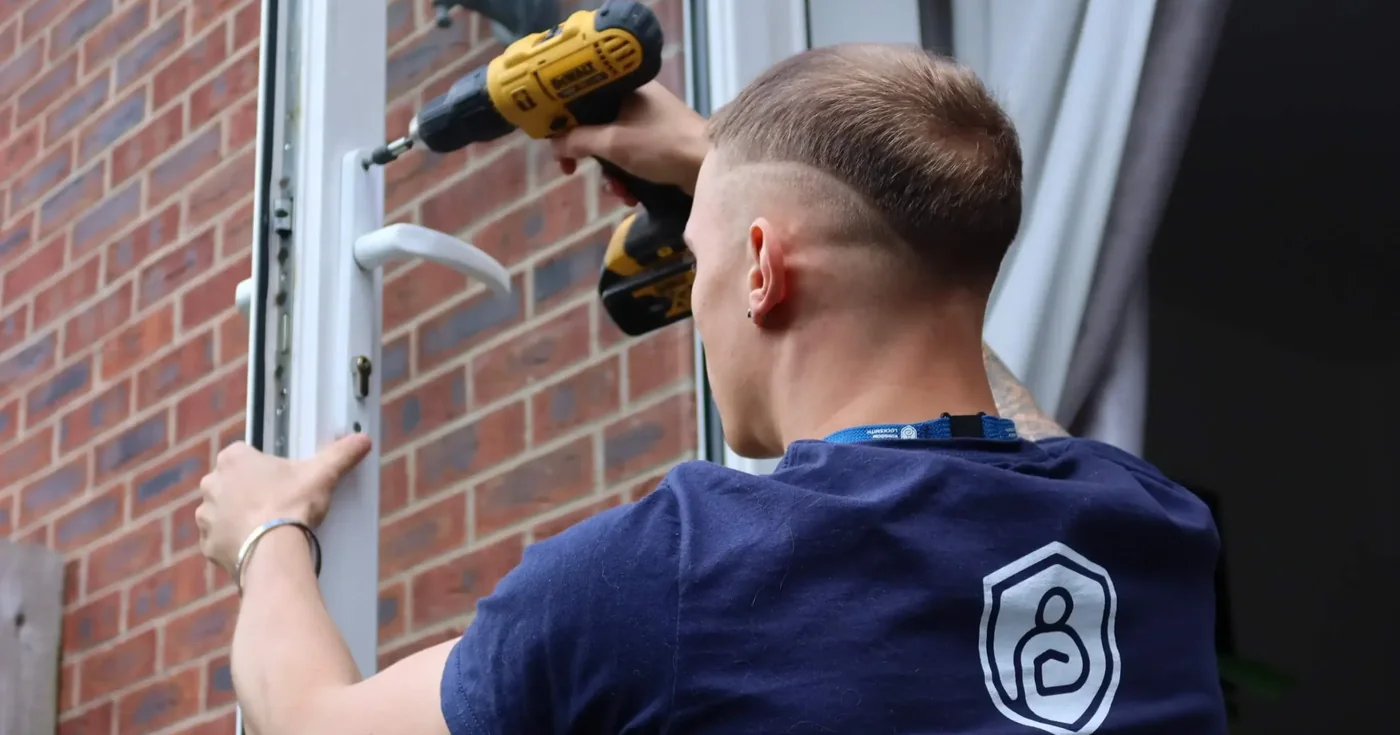
Door Lock Mechanism Repair and Maintenance Guide

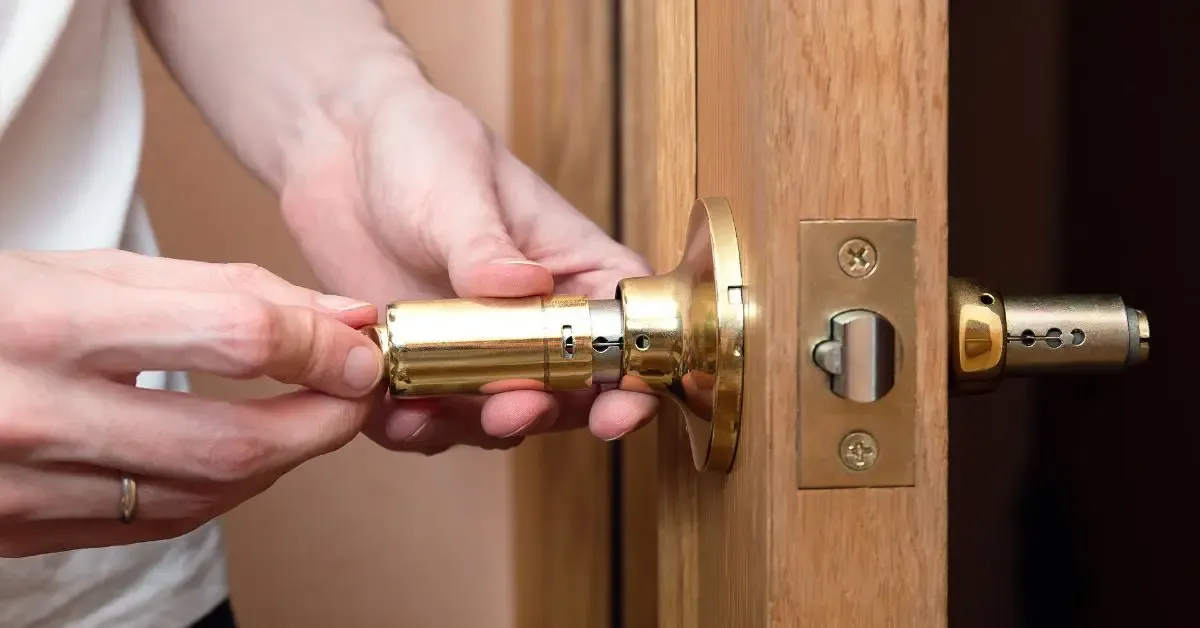
To repair a door lock mechanism, start by identifying where the fault lies: the latch, the cylinder, the strike plate or the internal components. Remove the handle and faceplate with a screwdriver, check for loose screws, worn springs or misaligned parts, and tighten or replace anything that has failed. Lubricate the mechanism with graphite or a silicone spray, reassemble the lock and test it with the door open. If the internal damage is severe, replacing the mechanism is usually the safest option.
A faulty lock mechanism can be frustrating and may affect security. This Kingdom Locksmith guide explains how to identify common faults without assuming that every problem needs a complete replacement.
This guide shows you how to repair door lock mechanism problems yourself where that is sensible, and how to recognise the point where a professional should take over. The aim is to give you enough knowledge to keep your home secure without the guesswork.
What Is a Door Lock Mechanism?
The door lock mechanism is the working machinery inside your door, the part that actually keeps it shut. It is not just the keyhole. It is a system of springs, levers and bolts that must all move in harmony, and if one small piece of metal bends or a spring loses tension, the whole assembly can fail.
Think of the mechanism as the engine of the door. You might have a handsome handle and a polished keyhole, but if the gearbox behind them is jammed or dry, nothing moves. Understanding that distinction is the first step in fixing door lock problems properly.
Common Types of Door Locks in UK Homes
Before you pick up a screwdriver, work out what you are looking at. UK homes use a handful of lock types, and each has its own quirks when it comes to repairs.
- Mortice locks: traditional locks cut (or morticed) into the edge of a wooden door, recognisable by the long, thin key. A 5-lever mortice lock meeting British Standard BS3621 is what most insurers expect.
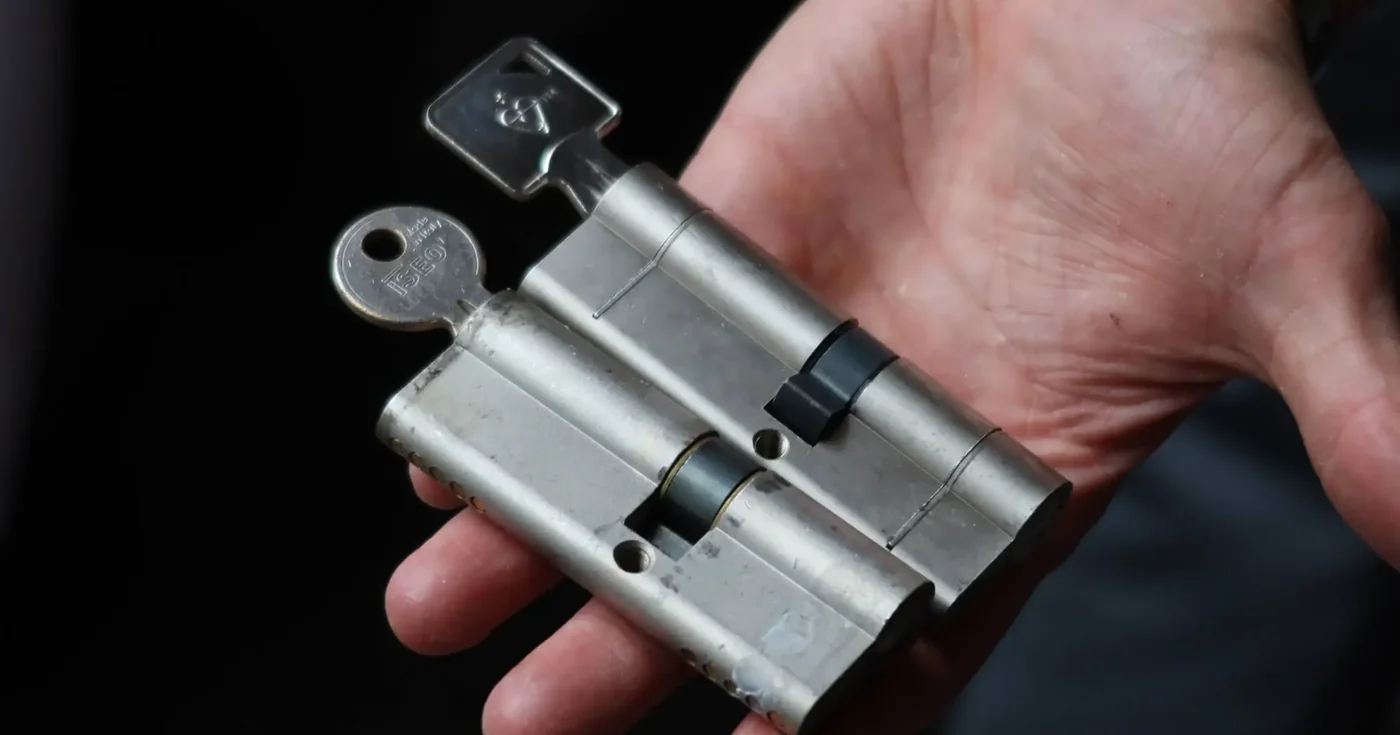
- Euro cylinder locks: the most common lock on modern uPVC and composite doors. The cylinder is the barrel the key goes into, and it drives a larger mechanism inside the door. They are simple to replace, but standard models are vulnerable to lock snapping.
- Night latches: often called Yale locks, these sit on the inside surface of the door and latch automatically when it closes. Convenient, but they should usually be paired with a mortice lock for proper security.
- uPVC multipoint locks: if you lift the handle before turning the key, you have a multipoint system. These secure the door at several points along the frame, and when they fail it is usually the internal gearbox.
How Does a Door Lock Mechanism Work?
To repair a lock properly, it helps to understand how a door lock mechanism works. A lock is not a single block of metal. It works through a set of interacting parts (typically a cylinder, a latch or bolt, springs and a cam) that secure or release the door in sequence. Here is a closer look at the core components.
Main Components of a Door Lock Mechanism
Most people feel far more confident once they can name the parts in front of them. These are the big five:
- Cylinder: the brain of the lock. It houses the pins that only move when the correct key is inserted.
- Latch: the spring-loaded piece of metal that holds the door shut when you pull it to. Its sloped edge lets it click into the frame.
- Strike plate: the metal plate fixed to the door frame. The latch and bolt sit inside its openings when the door is closed.
- Deadbolt: unlike the latch, this has no spring. It moves only when you turn the key or a thumb turn, and it provides the lock's real strength.
- Spindle: the square metal bar connecting the two handles through the mechanism. Turning the handle rotates the spindle, which retracts the latch.
5 Signs Your Door Lock Mechanism Needs Repair
A lock usually announces that it is failing long before it actually breaks. Catch these signs early and you can often avoid the cost of a full replacement.
1. Key Won't Turn or Gets Stuck
The most common complaint of all. The lock feels gritty, or you have to wiggle the key before it will turn. This is often nothing more than dust inside the cylinder or a lack of lubrication.
2. Door Handle Feels Loose or Droops
A spongy handle, or one that stays pointing downwards after use, usually means the spring in the mechanism or in the handle itself has snapped. It makes the latch awkward to operate and is a common failure on older uPVC doors.
3. Lock Is Misaligned With the Strike Plate
If you have to pull, push or lift the door before the key will turn, the door has probably dropped on its hinges. The mechanism itself may be fine; it simply is not meeting the hole in the frame properly.
4. Door Won't Fully Latch
Does the door bounce back open when you close it? The latch is stuck inside the mechanism or the strike plate has shifted. This is a genuine security risk, because nothing is holding the door except the deadbolt.
5. Grinding or Clicking Noises
A metallic crunch when you turn the handle or the key means something inside the gearbox is breaking up. Treat it as a warning that total failure is close.
Tools You May Need to Repair a Door Lock Mechanism
You do not need a workshop to handle basic lock repairs. A few household basics cover most jobs.
- Screwdrivers: both a Phillips and a flat head. A long-reach screwdriver is particularly useful on uPVC door handles.
- Allen keys: many modern handles are held in place by small grub screws that need an Allen key to loosen.
- Lubricant: vital, but choose carefully. Do not use WD-40 in a lock cylinder. It is a solvent rather than a lubricant, and it attracts grime that eventually jams the lock. Use a dedicated graphite lubricant or a PTFE-based spray.
- Replacement cylinder: if the barrel itself has failed, you can buy a like-for-like replacement once you have the correct measurements.
- Measuring tape: accurate to the millimetre, this is your best friend when ordering spare parts.
How to Repair a Door Lock Mechanism (Step-by-Step Guide)
Ready to tackle the repair? Follow these steps carefully, and never force a part that does not want to move.
Step 1: Identify the Type of Lock
Look at the edge of the door while it is open. A long metal strip means a multipoint lock; a single box means a mortice. Knowing which you have tells you which parts you might need to buy.
Step 2: Remove the Door Handle or Faceplate
Most repairs start with getting the handles out of the way. Undo the bolts on the inside of the door, then pull the handles clear to reveal the spindle and the lock mechanism.
Step 3: Inspect the Internal Lock Components
With the handles off, check whether the spindle is bent and whether any springs look broken. On a mortice lock you may need to unscrew the whole lock case from the door to see inside it.
Step 4: Clean and Lubricate the Mechanism
Before replacing anything, clean it. Dust and metal filings cause a surprising number of faults. Blow out the keyhole and gearbox with compressed air, apply a small amount of graphite lubricant, then turn the key several times to work it into the pins.
Step 5: Realign the Strike Plate
If the lock is catching on the frame, look at the strike plate for score marks where the latch has been rubbing. Unscrew the plate and move it slightly up or down to match the lock. Sometimes filing a millimetre of metal from the plate's opening is all it takes.
Step 6: Replace the Damaged Cylinder (If Necessary)
If the key still will not turn after cleaning, the cylinder is probably beyond saving. To remove a euro cylinder, find the single long screw on the edge of the door level with the bottom of the lock. Remove it, turn the key slightly to line up the internal cam, and the cylinder should slide out. Slide the new one in and refit the screw.
Step 7: Reassemble and Test the Lock
Refit the handles and tighten the screws. Always test with the door open first, so you cannot lock yourself out if the repair has not quite worked. Turn the key and work the handle several times until everything feels smooth.
How to Fix Door Lock Issues Without Replacing the Entire Mechanism
You do not always need a new lock. Many common annoyances have simple fixes that cost little or nothing.
Fixing a Stiff Key
A stiff key usually means friction. Rub a pencil over the teeth of the key (pencil lead is graphite) and slide it in and out of the lock a few times. The graphite lubricates the pins without the sticky build-up that oil leaves behind.
Tightening a Loose Door Handle
Check the grub screw under the neck of the handle. If it is tight and the handle still wobbles, the spring cassette inside has probably worn out. Replacement cassettes cost a few pounds and make the handle feel new again.
Adjusting a Misaligned Door
On uPVC doors the hinges are usually adjustable. Pop off the small plastic cap on the hinge to reveal an Allen screw. Turning it moves the door towards or away from the frame, which can perfectly realign a lock that has been catching.
Repairing a uPVC Multipoint Lock
If the handle is hard to lift, the door is probably out of alignment. Do not force it, because that is how internal gearboxes snap. Instead, adjust the rollers or mushroom cams on the edge of the door with an Allen key until they enter the frame smoothly.
When You Should Not Attempt to Repair a Door Lock Yourself
DIY is all well and good, but sometimes a home repair makes the situation worse. There are four moments to put the tools down and call for professional help.
1. After a Break-In
If a lock has been tampered with during an attempted burglary, its internal structure may be dangerously weakened. It might seem to work while no longer providing the protection it was designed for. A professional will check that the whole door and frame are still sound.
2. High-Security or Insurance-Approved Locks
The internals of a 5-lever mortice lock or a high-end smart lock are precise. Open the case and springs jump out that a non-expert will struggle to put back. Interfering with these locks can also cause problems with your home insurance.
3. Snapped Key Inside the Cylinder
You may have seen videos of people fishing out snapped keys with glue or tweezers. In practice this tends to push the fragment deeper or ruin the pins. A locksmith uses purpose-made key extractors that remove the fragment without damaging the lock.
4. Internal Mechanism Failure
On a uPVC door, if the handle moves but the bolts do not, the gearbox has probably shattered. This repair often has to be done with the door stuck in the locked position, which is a job for a professional.
How Much Does It Cost to Repair a Door Lock Mechanism in the UK?
Prices vary with location and the time of day, but a rough idea of typical costs helps you avoid being caught off guard.
| Service Type | Estimated Cost (UK Average) |
|---|---|
| Basic Lock Repair / Realignment | £60-£90 |
| Standard Euro Cylinder Replacement | £70-£110 |
| High-Security (Anti-Snap) Cylinder | £110-£150 |
| uPVC Multipoint Gearbox Replacement | £140-£220 |
| Emergency Out-of-Hours Call-Out | £90-£150 (Plus parts) |
Remember that cheaper is not always better. A bargain lock may not be insurance-approved, and that could cost you thousands if you ever need to make a claim.
Door Lock Repair vs Replace: What's the Better Option?
The practical question is whether the existing lock can be repaired safely or needs replacing.
- When repair is enough: if the problem is alignment, dirt or a loose screw, a repair is perfectly sensible. There is no reason to throw away a high-quality lock over a minor fault.
- When replacement is safer: if the lock is more than ten years old, has been physically damaged, or a set of keys has gone missing, replacement is the wiser choice.
- Security upgrades: if your uPVC doors still have standard cylinders, consider swapping them for 3-star anti-snap cylinders. It is the single most effective upgrade against modern burglary techniques.
If you are still unsure whether to fix the current hardware or start again, our detailed breakdown of lock repair vs replacement walks through which option suits which situation.
How to Prevent Future Door Lock Mechanism Problems
A little care goes a long way. Add these four jobs to your annual home maintenance list:
- Regular lubrication: every six months, give each lock a light spray of PTFE or a puff of graphite to stop the moving parts grinding against each other.
- Door alignment checks: at each change of season, check that your doors are not rubbing. Catch a dropping door early and the lock never gets stressed.
- Avoid slamming doors: a slam sends a shock through the whole mechanism, and over time it shakes internal components loose.
- Annual inspection: look over the strike plates and hinges. Tighten any loose screw before it has the chance to fall out.
Why Professional Locksmith Repair Is the Safer Option
When a door lock mechanism fails, a DIY repair can sometimes cause more harm than good. Tightening screws or lubricating a stiff latch is straightforward, but the springs, pins, cylinders and cam systems inside a lock are delicate and precisely aligned. One slip can mean further damage, a completely jammed lock, or a door that no longer secures at all.
A professional locksmith can use specialist tools to distinguish a latch fault, a misaligned strike plate, a worn cylinder and an internal mechanism failure. A diagnosis should be followed by a clear explanation of the proposed repair and any replacement parts.
Safety matters too. A poorly repaired lock can look functional while failing to secure the property. A professional repair leaves the lock meeting current security standards, operating smoothly and actually resisting forced entry. Where the existing lock is outdated or vulnerable, a locksmith may recommend upgrading to a higher-security mechanism.
Professional repairs also avoid voiding the manufacturer's warranty on the lock, and they reduce the risk of accidental damage to the door or frame. What starts as a simple attempt at repairing a door lock mechanism can easily turn into a costly replacement job if it goes wrong.
Choosing a competent locksmith restores the lock and, just as importantly, gives you confidence that your home or business is properly secure.
Getting Professional Help With a Door Lock Mechanism
When a door lock mechanism fails, ask a locksmith to diagnose the fault, explain the available options and confirm the price before work starts. Useful points to discuss include:
- Whether the specific mortice lock, euro cylinder, night latch, uPVC gearbox or smart lock can be repaired
- What the proposed work involves and which parts may be needed
- Whether non-destructive methods are suitable for the particular fault
- Whether a location page such as Colchester applies to your address
- Why repair or replacement is being recommended
- Whether any proposed security hardware meets the standard needed for your door
Lock mechanisms vary widely, from older mortice cases to modern electronic systems. If a door will not lock or a key will not turn, avoid forcing it and seek advice for that specific mechanism.
Frequently Asked Questions (FAQs)
Can I repair a door lock mechanism myself?
Yes, for simple issues such as lubrication, tightening screws or a basic cylinder swap. If the internal gearbox of a multipoint lock has failed, though, call a professional. Forcing it risks damaging the door and frame.
Why is my key turning but not unlocking the door?
This usually means the cam or tailpiece inside the lock has snapped. The key spins but no longer engages the part that moves the bolt. In almost every case the cylinder needs replacing.
How long does it take to fix a door lock?
Most standard repairs take between 30 and 60 minutes. If the door is stuck shut and has to be opened non-destructively first, allow a little longer.
Is it cheaper to repair or replace a lock?
It depends on the lock. For a basic euro cylinder it is often cheaper, and safer, simply to fit a new high-security model. For a high-end mortice lock, a repair or a re-pin can be the more cost-effective route.
Can a locksmith fix a broken internal mechanism?
A locksmith may be able to replace a failed gearbox or internal case without changing the entire multipoint strip, but this depends on the mechanism and whether compatible parts are available.
Final Thoughts: Fixing Your Door Lock the Right Way
Looking after your door locks is one of the most important parts of running a home. A well-maintained lock does more than keep people out. It lets you sleep soundly.
Use this guide for minor maintenance and as a prompt to stop when the fault needs specialist diagnosis. Locks are a first line of defence, so uncertain or damaged mechanisms should not be forced.
For further information, see Kingdom Locksmith or use the contact page to ask about the fault and current availability.