


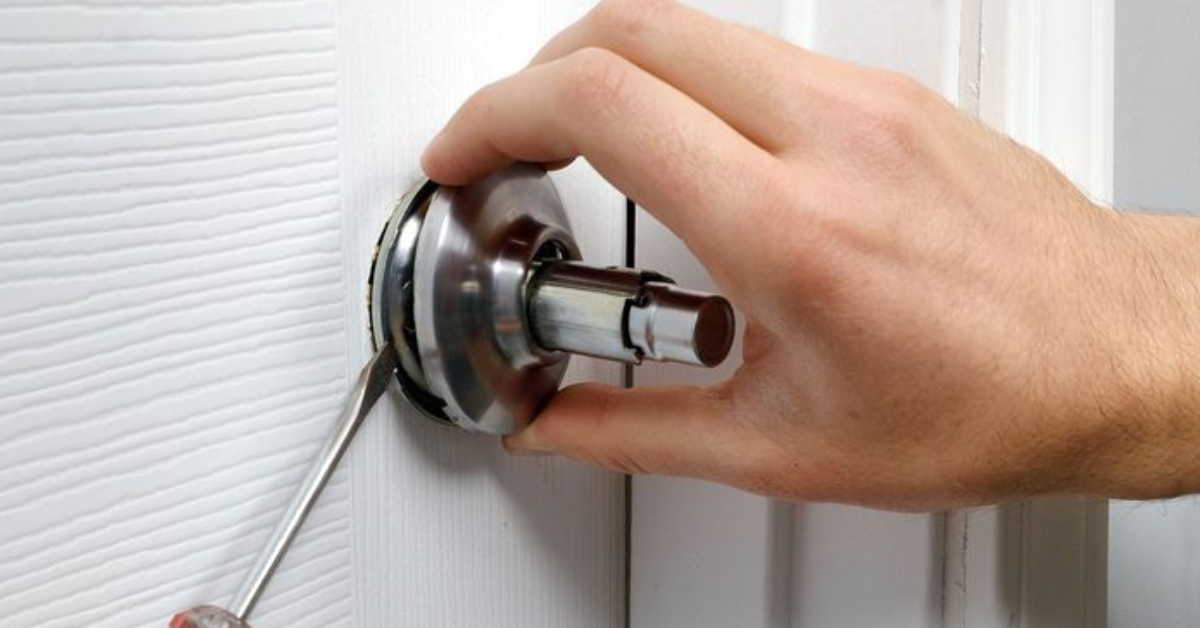
Replacing a door handle is straightforward if you have the right tools and know your door type. Start by removing the old handle and faceplate, checking the latch and spindle measurements, then install the new handle, ensuring it aligns properly with the lock. Interior handles are quick to swap, while front doors with multi-point or uPVC systems may require extra care.
At Kingdom Locksmith, we know the feeling. You reach for your front door handle after a long day, and instead of that solid, satisfying click, it feels loose, sticky, or just stays down after you press it. A faulty door handle is more than just a minor annoyance. It’s a security risk and a potential lockout waiting to happen.
Whether you’re looking to update the style of your home or you need to swap out a broken part to keep your family safe, knowing how to replace a door handle correctly is a vital skill for any homeowner.
In this guide, we’ll cover everything you need to know – from the tools you need and the common pitfalls to avoid to the step-by-step instructions to ensure your new handle functions perfectly. We believe that your home is your kingdom, and every entryway should be as secure and functional as possible.
How to Replace a Door Handle? (Quick Answer)
If you’re in a rush and just need the basics, here is the short version. Replacing a door handle involves removing the old hardware, ensuring the new latch aligns with the existing hole, and securing the new plates.
- Measure first: Check your “backset” (distance from the door edge to the handle center) and “PZ centers” for uPVC doors.
- Remove the old set: Unscrew the internal handle and pull both sides away.
- Swap the latch: If your new set includes a latch, unscrew the old one from the door edge and slide the new one in.
- Fit the new spindle: Insert the square metal bar through the latch.
- Secure the handles: Slide the new handles onto the spindle and screw them into place from the inside.
- Test while open: Never close the door until you have tested the handle and lock several times.
When Should You Replace a Door Handle?
Sometimes it is obvious when a handle has given up the ghost, but other times the signs are more subtle. Knowing when to stop repairing and start replacing can save you from a middle-of-the-night emergency.
Signs Your Door Handle Needs Replacing
- Loose or Wobbly Handle: If the handle jiggles when you touch it, the internal springs or the screw fixings have likely worn out. While you can sometimes tighten them, a recurring wobble usually means the metal has fatigued.
- Stiff Mechanism: If you have to put physical effort into turning the handle, the internal gearbox is likely grinding or rusted. This puts immense pressure on your lock, which can lead to a snapped key or a jammed door.
- Broken Spring: If your handle points toward the floor instead of sitting horizontally, the “spring cassette” has snapped. On many modern handles, these cannot be easily replaced on their own.
- Rust or Corrosion: This is especially common in coastal areas like Ipswich or Colchester. Salt air eats through cheap finishes, leading to “pitting” that eventually weakens the structural integrity of the handle.
- Security Upgrade Needs: If your current handles are thin or show visible screws on the outside, they are vulnerable to “lock snapping.” Upgrading to a heavier, security-rated handle is a smart move for your peace of mind.
Door Handle Repair vs Replace – What’s the Better Option?
We often get asked if a handle can just be “fixed.” If the issue is a loose screw or a bit of dust, a quick clean and tighten will do the trick. However, door handles are high-traffic items. They are used thousands of times a year. Once the internal springs or the casting begins to fail, a repair is often just a temporary band-aid.
If you want to dive deeper into this choice, you can read our full breakdown on lock repair vs replacement to see which path is right for your budget and security needs.
Tools You Need to Replace a Door Handle
You do not need a professional’s workshop to handle this job, but having the right basics on hand will prevent you from stripping screws or damaging your door finish.
- Screwdriver: A Phillips head and a flathead are essential. We recommend using manual screwdrivers rather than power drills for the final tightening to avoid over-torqueing.
- Allen Key: Many modern lever handles use a tiny “grub screw” on the underside to stay attached to the spindle. Check your new kit to see if one is included.
- Tape Measure: Accuracy is everything. You need to measure the distance between screw holes and the thickness of your door.
- Replacement Handle Set: Ensure it matches the “handing” of your door (left-handed vs. right-handed) if it isn’t a universal model.
- Lubricant: A small puff of graphite powder or a PTFE spray can help the new latch move smoothly. Avoid WD-40 for the internal lock parts.
Step-by-Step Guide: How to Replace a Door Handle Properly
Replacing a handle is a straightforward task if you follow a logical order. We have broken this down to ensure you don’t miss the small details that lead to a “sticky” door.
Step 1: Remove the Old Door Handle
Open the door and secure it with a doorstop so it doesn’t move while you work. Locate the screws on the internal handle plate. Unscrew them completely. Once the internal plate is loose, the external plate should pull away easily. Be careful to catch the “spindle” – the square metal bar that connects the two handles – so it doesn’t fall and scratch your floor.
Step 2: Unscrew and Remove the Latch Plate
Look at the edge of the door where the “tongue” (the latch) sticks out. There are usually two screws holding this plate in place. Remove them and gently pry the latch mechanism out of the door. If it is stuck, you can poke a screwdriver through the handle hole to push it out from the back.
Step 3: Check the Door Latch and Alignment
Before you put the new parts in, look inside the hole. Is there wood dust or debris? Clear it out. Check if the “mortice” (the hole in the door) is deep enough for your new latch. If your new handle is a different brand, the latch might be slightly longer or shorter.
Step 4: Install the New Latch Mechanism
Slide the new latch into the hole on the edge of the door. The sloped part of the latch should face the direction the door closes so it can click into the frame. Screw the latch plate into the door edge. If the old screw holes are too big or “stripped,” you can plug them with a toothpick and some wood glue before putting the screws back in.
Step 5: Fit the New Door Handle
Insert the spindle through the square hole in the latch. Slide your new external handle onto the spindle. Then, do the same with the internal handle. While holding both sides together, insert the fixing screws. Pro tip: Hand-tighten the screws first to make sure the handles are perfectly vertical before you finish them with the screwdriver.
Step 6: Test the Handle and Lock Operation
This is the most important step. Do not close the door yet. Push the handle down and make sure the latch retracts fully. Let it go and make sure it snaps back to the horizontal position. If you have a lock, turn the key or the thumb-turn to ensure the bolt moves freely. If everything feels smooth, you can finally close the door and test it from both sides.
How to Change the Front Door Handle Safely?
When you’re working on a front door, the stakes are higher. A mistake here could mean your home isn’t secure at night. Front door handles are often part of a more complex system, especially on uPVC or composite doors.
Additional Security Considerations for Front Doors
In the UK, front door security is governed by specific standards. You should look for handles that meet PAS 24 or carry the British Standard Kitemark. These handles are designed to resist “handle snapping,” where an intruder uses force to break the handle and get to the lock.
- Multi-point locking systems: These handles are much longer and operate several bolts at once. If you are changing one of these, you must ensure the “PZ centers” (the distance from the handle to the keyhole) are exactly 92mm or 70mm, depending on your door.
- Euro cylinder alignment: Your handle and lock work as a team. If the handle doesn’t sit flush, the lock cylinder might stick out, making it an easy target for burglars.
For a complete breakdown on making your entryway unbreakable, we recommend looking at our guide on how to upgrade door handles for better home security.
Common Mistakes When Changing a Front Door Handle
One of the biggest errors we see is homeowners buying “internal” handles for an “external” door. Internal handles aren’t built to withstand the rain and frost of a British winter, and they don’t have the reinforced backplates needed to stop a break-in. Another common mistake is over-tightening the screws. On a composite or uPVC door, over-tightening can actually crush the door’s core, causing the lock to jam.
Can You Change a Door Handle Without Changing the Lock?
The short answer is: Yes, absolutely. The handle and the lock are actually two separate components that just happen to live in the same space. However, they need to be compatible.
When You Can Keep the Existing Lock
If your current lock is working perfectly and you just want a new look, you can keep the lock as long as the new handle has:
- A Compatible Backset: The hole for the handle must line up with the hole in your lock.
- The Same Spindle Size: Most UK handles use an 8mm square spindle.
- Matching Fixing Points: The screws that go through the door must be able to pass through the existing holes in your lock case.
We have a specialized article that explains exactly how to change front door handle without changing the lock if you want to avoid the cost of a new cylinder.
When the Lock Mechanism Also Needs Replacing
If you find that the latch is “sticky” or the deadbolt doesn’t move even when the handle is off, the problem is the lock itself. If you are already taking the handle off, it is the perfect time to follow our expert guide on how to change a door lock to ensure your entire entryway is as good as new.
How to Replace a uPVC Door Handle?
Replacing a uPVC door handle is slightly different from changing a standard interior handle because most uPVC doors use a long backplate and a multi-point locking system. Before buying a replacement, measure two key things: the distance between the screw holes (commonly 122mm or 215mm) and the PZ measurement (the distance from the centre of the handle spindle to the centre of the keyhole).
Start by unscrewing the two long fixing screws on the inside handle. Once removed, both handles should slide off, exposing the spindle and euro cylinder. Check that the spindle length matches your new handle and that the fixing points align perfectly.
When fitting the new handle, avoid overtightening the screws. Tightening too much can pull the mechanism out of alignment and cause the door to stick. If the door feels stiff after installation, the issue may not be the handle at all – it could be the multi-point locking system needing adjustment.
A common mistake homeowners make is buying a handle that “looks the same” without checking measurements. Even a few millimetres difference can prevent proper alignment. If the door feels like it is “sticking” even after a handle change, you might need to learn how to adjust uPVC door locking mechanism settings to get the alignment perfect.
How to Replace a Wooden Door Handle?
Wooden doors are often easier to work with than uPVC or metal, but they require a bit more care and precision. Before removing the old handle, check whether the door uses a simple tubular latch or a mortice sash lock. The type of internal mechanism will determine what kind of replacement handle you need.
Start by unscrewing the handle from the inside plate. Once both sides are removed, slide out the spindle and inspect the latch. If the latch is stiff or worn, this may be a good time to replace it too.
One common issue with wooden doors is alignment. If your new handle has a slightly different backplate shape, you may notice exposed screw holes or indent marks from the old plate. In some cases, you may need to gently widen the mortice area using a wood chisel so the new latch or plate sits flush. Always work slowly and carefully – removing too much wood can weaken the door edge.
Another important tip: always pre-drill pilot holes before installing new screws. Wood can split easily, especially near the edges of the door. Pre-drilling ensures a secure fit without damaging the timber.
After installation, test the handle several times before closing the door fully. The latch should retract smoothly and spring back without sticking. If it doesn’t, the issue is usually minor misalignment rather than a faulty handle.
How to Replace Handles on Aluminium or Metal Doors?
Aluminium and metal doors are commonly found in modern flats, office buildings, and commercial properties. These doors are durable, but they allow far less room for adjustment compared to wooden doors.
Most aluminium doors use face-fixed handles, meaning the screws go directly through pre-drilled holes in the metal surface. Because you cannot easily fill or reposition holes in metal, it’s crucial to choose a replacement handle with the exact same fixing points and measurements as the original.
Begin by removing the interior fixing screws. Carefully separate both sides of the handle and check the spindle length. If the spindle is worn or bent, replace it to avoid future issues with stiffness or misalignment.
If the metal around the old handle has become scratched or dented over time, you may need a replacement handle with a slightly larger backplate to cover any marks. This is a simple cosmetic solution that avoids costly door panel repairs.
Be careful not to overtighten screws on metal doors. Unlike wood, metal does not compress, and over-tightening can strip threads or distort the fixing points. Tighten firmly, but stop once secure.
How to Change a Composite Front Door Handle?
Composite front doors are designed for high security and insulation. Because they’re made from multiple materials compressed together, they behave differently from single-material doors like wood or aluminium.
Before replacing the handle, measure the PZ centres and screw hole spacing carefully. Most composite doors use a multi-point locking system with a euro cylinder, so alignment is extremely important.
To remove the handle, unscrew the internal fixing bolts and gently pull both sides apart. Take note of whether your existing handle uses a split spindle system. Split spindles allow the outside handle to remain fixed unless unlocked, which adds an extra layer of security. If your new handle doesn’t support this feature, you may unintentionally reduce your door’s security.
When installing the new handle, avoid fully tightening the screws immediately. Composite doors can expand and contract slightly with temperature changes. Leaving a very small amount of tolerance in the fixings helps prevent stiffness during hot or cold weather.
After installation, test the door with the key and handle multiple times before locking it completely. The handle should lift smoothly to engage the multi-point locks, and the key should turn without resistance. If the door feels stiff after replacement, the issue is often alignment-related rather than a faulty handle. Because composite doors are security-focused, precision matters more than speed during installation.
Common Problems After Replacing a Door Handle (And How to Fix Them)
It is frustrating when you finish a job and it still doesn’t feel right. Here is how to troubleshoot the most common issues:
- Handle feels loose: Check the grub screw under the handle. If that is tight, you may need to add “spring cassettes” if your handles didn’t come with them built-in.
- Door won’t latch: Your latch might be upside down. The slope should always face the frame. If that’s correct, the strike plate on the frame might need to be moved by a millimeter or two.
- Lock won’t turn: The handle plate might be slightly crooked, putting pressure on the lock cylinder. Loosen the screws, realign the plate, and tighten again.
- Misaligned strike plate: If the door closes but won’t “click” into place, the latch isn’t reaching the hole in the frame. You can often fix this by slightly filing the opening of the metal strike plate.
DIY vs Professional Locksmith – Which Is Safer?
We always encourage homeowners to learn the basics, but we also know where the risks lie.
Risks of Incorrect Installation
If a handle is fitted poorly, it can lead to “entrapment,” where the handle moves but the door stays locked. This is a major fire safety hazard. Additionally, if the handle doesn’t protect the lock properly, you could be invalidating your home insurance. Most insurance companies require that your “final exit” doors meet specific security standards, and a DIY mistake could be costly later on.
When to Call a Professional Locksmith
If you encounter a “multi-point” system that feels jammed, or if your door is made of high-end composite materials, it is often safer to call us. We carry specialized tools that allow us to align handles to the millimeter. If you are worried about the cost, you can check our guide on emergency locksmith cost and UK prices to see that professional help is often more affordable than you think.
Key Factors to Consider When Replacing a Door Handle
Before you head to the shops, keep these four things in mind:
- Finish: Do you want polished chrome, satin nickel, or matte black? Ensure it matches your letterbox and hinges.
- Backset: This is the distance from the edge of the door to the center of the handle. In the UK, this is typically 44mm, 57mm, or 64mm.
- Usage: Is this for a bathroom (needs a privacy turn) or a bedroom (just a latch)?
- Smart Technology: If you are tired of keys altogether, this might be the perfect time to learn how to install a smart lock instead of a traditional handle.
Why Choose Kingdom Locksmith for Door Handle Replacement?
When it comes to replacing a door handle, experience, reliability, and trust matter. At Kingdom Locksmith, we combine all three to ensure your home or business stays secure while making the process simple and stress-free. We take pride in providing a service that is as reliable as the locks we install.
Furthermore, we’re not just a business; we’re part of your community. We offer 24/7 emergency service with a fast arrival time of 15-30 minutes, so whether your handle breaks during the day or in the middle of the night, our local technicians are ready to respond quickly. Unlike call-center services, our team lives in the communities we serve, from Birmingham and Nottingham to Coventry and Bournemouth, which means faster response times and a personal touch.
All our locksmiths are fully trained, DBS-checked, and insured, giving you peace of mind that your property is in safe hands. We use only high-quality tools and replacement parts to make sure every door handle fits perfectly and operates smoothly.
With transparent pricing, no hidden call-out fees, and guaranteed workmanship, we make sure you know exactly what you’re paying for and can trust the results. Choosing Kingdom Locksmith means you’re not just getting a handle replaced – you’re getting a secure, reliable, and professional service you can depend on.
Final Checklist Before You Finish Replacing a Door Handle
Before you put your tools away, run through this final check:
- Does the handle return to a horizontal position on its own?
- Does the latch retract fully when the handle is pressed?
- Can you lock and unlock the door easily from both sides?
- Are there any gaps between the handle plate and the door surface?
- Does the door stay shut when you pull it without turning the handle?
Wrapping Up
Replacing a door handle is one of those small home improvements that makes a massive difference in your daily life. It provides better security, smoother operation, and a fresh look for your home. We hope this guide has given you the confidence to tackle the job yourself, but remember, you don’t have to do it alone.
If you run into a problem, or if you simply want the job done to a professional standard with a full warranty, we are here to help. At Kingdom Locksmith, we specialize in making sure your home is as secure as it can be. From simple handle swaps to complex security upgrades, our local team is ready to provide the expert service you deserve.
Contact us today at +44 (333) 006 9691 for a free quote or to book a visit from one of our friendly local technicians. Let’s make sure your home stays safe and sound.
Frequently Asked Questions (FAQs)
1. How long does it take to replace a door handle?
Replacing a door handle usually takes 10 to 30 minutes, depending on the door type and whether you’re keeping the existing lock. Interior handles are typically quicker to change, while front door handles with multi-point locking systems may take longer. If the latch is misaligned or the fixings are corroded, the job can take a bit more time.
2. Can I replace a door handle myself?
Yes, you can replace a door handle yourself if you have basic DIY skills and the correct tools. Most interior and standard front door handles can be changed using just a screwdriver. However, if the door uses a multi-point locking system, euro cylinder, or has security alignment issues, it may be safer to have a professional locksmith handle it to avoid damaging the lock mechanism.
3. Do I need to replace the lock when changing handles?
No, you do not usually need to replace the lock when changing door handles. If the existing lock mechanism is working properly and the new handle is compatible with the same backset, spindle size, and fixing points, you can keep the lock. You would only need to replace the lock if it is worn, damaged, misaligned, or if you’re upgrading security on a front door.
4. How much does a locksmith charge to replace a door handle in the UK?
In the UK, a locksmith typically charges between £60 and £120 to replace a standard door handle, depending on the type of door and handle. Prices can be higher for uPVC or composite front doors with multi-point locking systems. The total cost may also vary based on emergency callouts, parts required, and your location.
5. How do I know if my new handle will fit my existing door?
To make sure your new door handle fits, measure the backset, centre-to-centre (PZ) distance, spindle size, and screw fixing positions before buying a replacement. For uPVC and composite doors, checking the PZ measurement is especially important. If the measurements match your existing handle, the new one should fit correctly without needing to change the lock.