New Key Won't Turn in the Lock

!New key won't turn in the lock
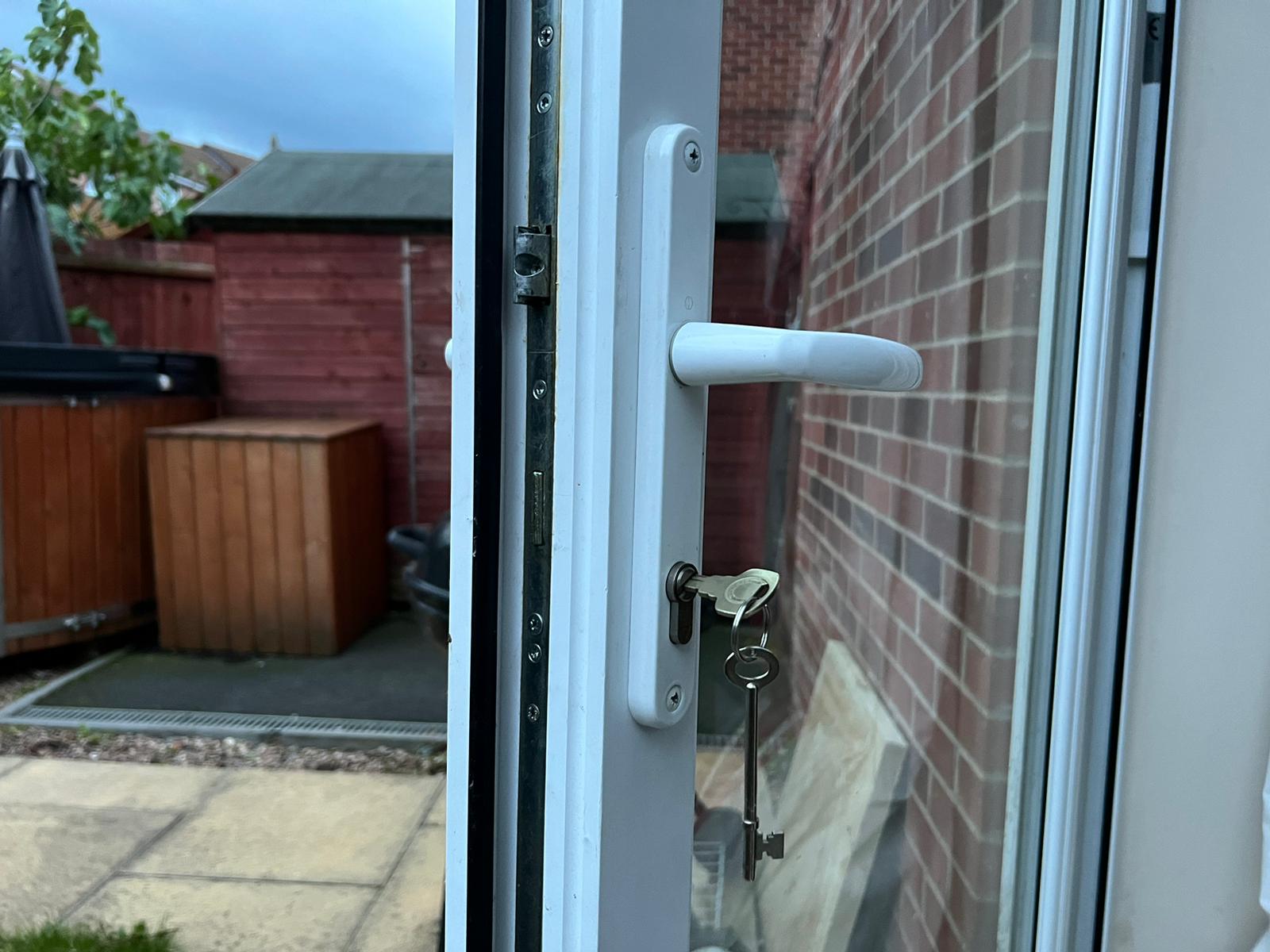
A new key won't turn in the lock is usually a key-specific problem rather than an immediate sign that the whole lock has failed. The cut may be slightly inaccurate, the wrong key blank may have been used, or a copy made from a worn original may not match the cylinder closely enough. Do not force the key, as it can stick, bend, or snap inside the lock.
Try the original key or another working spare. When the old key turns normally but the new one does not, the new key should be checked or recut. When several keys are becoming difficult to turn, the cylinder, lock mechanism, or door alignment may need attention instead.
This guide explains why newly cut and spare keys sometimes fail, how to check whether the problem is the key or the lock, when a recut may solve it, and when a locksmith should inspect the cylinder or mechanism.
Why won't my new key turn in the lock?
A new key will not turn when its cuts are not accurate enough to lift the pins to the shear line. This usually happens because it was copied from a worn key or another copy, or cut with slight tolerance errors, so the pins do not line up and the cylinder will not rotate.
A key is the cut blade that lifts a lock's spring-loaded pins to the shear line, the point at which the cylinder can turn. A lock cylinder is the barrel that holds those pins. If a new key's cuts are even slightly off, the pins sit at the wrong height and the key binds instead of turning.
The telling sign is that your original key still works. If the old key turns and the new one does not, the fault is the new key's cut, not the lock.
Why Do Newly Cut and Spare Keys Fail?
Newly cut and spare keys can fail when the copy does not match the lock closely enough. A key copied from a worn or damaged original may reproduce that wear, while the wrong blank, rough edges, or an inaccurate cut can stop the key entering or turning smoothly.
| Cause | Why the new key may fail |
|---|---|
| Copied from another copy | Small differences may be carried into the new key |
| Copied from a worn key | Existing wear can affect the accuracy of the copy |
| Inaccurate cutting | The cuts may not operate the lock correctly |
| Wrong key blank | The profile may not match the cylinder |
| Burrs or rough edges | They can catch as the key enters or turns |
A useful check is to compare the new key with an original that still works correctly. If the original turns normally but the new key does not, have the new key checked or recut rather than forcing it.
If the original key is also becoming difficult to use, the problem may be inside the cylinder or door mechanism. In that case, see our guide on why a key won't turn in the lock. A locksmith can also check whether the key or the lock is causing the problem before any replacement is recommended.
How do you fix a new key that won't turn?
You fix a new key that will not turn by getting it recut accurately, ideally from the original. First check it is fully inserted and not catching on burrs, then have it recut from the original key or decoded to the lock. Never file the key yourself or force it.
Work through these steps:
- Check the key is fully inserted. Stop if it catches before reaching its normal position.
- Try the original or a working spare. If it turns normally, the new key is the more likely problem.
- Inspect the new key for burrs or rough edges. Do not file them yourself.
- Take a reliable original back for comparison. A fresh copy may solve a cutting or blank issue.
- Ask a locksmith to check the key specification if no reliable original is available or the correct replacement is uncertain.
- Test the replacement gently. If it still will not turn, stop rather than applying more pressure.
If several keys are difficult to turn, the fault may be in the cylinder, lock mechanism, or door alignment rather than the new key. In that case, stop forcing the key and have the lock checked before another copy is made.
When Is the Lock the Problem, Not the Key?
The lock is more likely to be the problem when the original key and a reliable spare have also become difficult to turn, or when every key catches in the same way. In that case, cutting another copy may not help because the resistance could be coming from the cylinder, internal mechanism, or door alignment.
If several keys behave the same way, check whether the problem changes when the door is open. A lock that works smoothly open but becomes stiff when closed may be under pressure from a misaligned door. If it remains stiff with the door open, the cylinder or mechanism may need attention.
Avoid adding an unknown lubricant to the keyway. Use only a lock-care product approved for the specific cylinder or manufacturer.
A locksmith can separate a key problem from a cylinder or mechanism fault before recommending replacement. If the lock is worn or damaged, compare the options in our guide to lock repair vs replacement.
Frequently Asked Questions
Why won't my newly cut key work?
The new key may have been cut inaccurately, made from the wrong blank, copied from a worn key, or left with rough edges. Try the original or another reliable key first. If those work normally, have the new key checked or recut rather than forcing it.
Can a badly cut key be fixed?
A faulty new key is usually better checked and recut than altered by hand. Filing or reshaping it yourself can change the key profile and make the problem worse. Take the working original, where available, so the replacement can be compared with it.
Why does my spare key not work but the original does?
If the original works normally but the spare does not, the spare may have a cutting, blank, or duplication issue. Stop using the faulty spare and have it checked against a reliable original before assuming the lock itself needs repair.
Should I file my new key to make it fit?
No. Avoid filing or forcing a new key to make it work. Removing material in the wrong place can make the key unusable and may create additional resistance inside the cylinder. Have the key checked or replaced instead.
What if my original key sticks too?
If the original and other reliable keys are also difficult to turn, the problem may involve the cylinder, lock mechanism, or door alignment rather than the new key. Test the lock with the door open where appropriate, avoid forcing the key, and have the lock inspected if the resistance continues.
Getting a New Key That Turns Properly
A new key that won't turn in the lock is often a key-specific problem, especially when the original still works normally. The new key may have an inaccurate cut, the wrong blank, rough edges, or differences copied from a worn original. Avoid forcing or filing it, as extra pressure can make the key stick, bend, or damage the cylinder.
If the original and other reliable keys also become difficult to turn, the problem may be with the cylinder, lock mechanism, or door alignment rather than the new key. Kingdom Locksmith can inspect the lock and identify whether adjustment, repair, or replacement is actually needed.
Need a Coventry locksmith to check a key or lock that still will not turn? Contact our Coventry locksmith team for local support and availability.